
Dialogue in Times of Tension: LibMod brings Israelis and Palestinians together
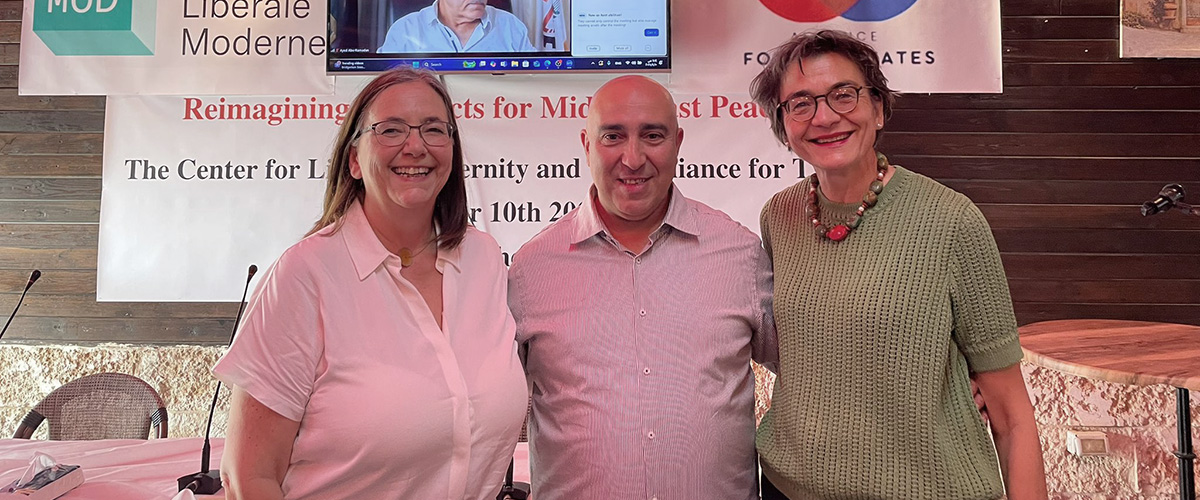
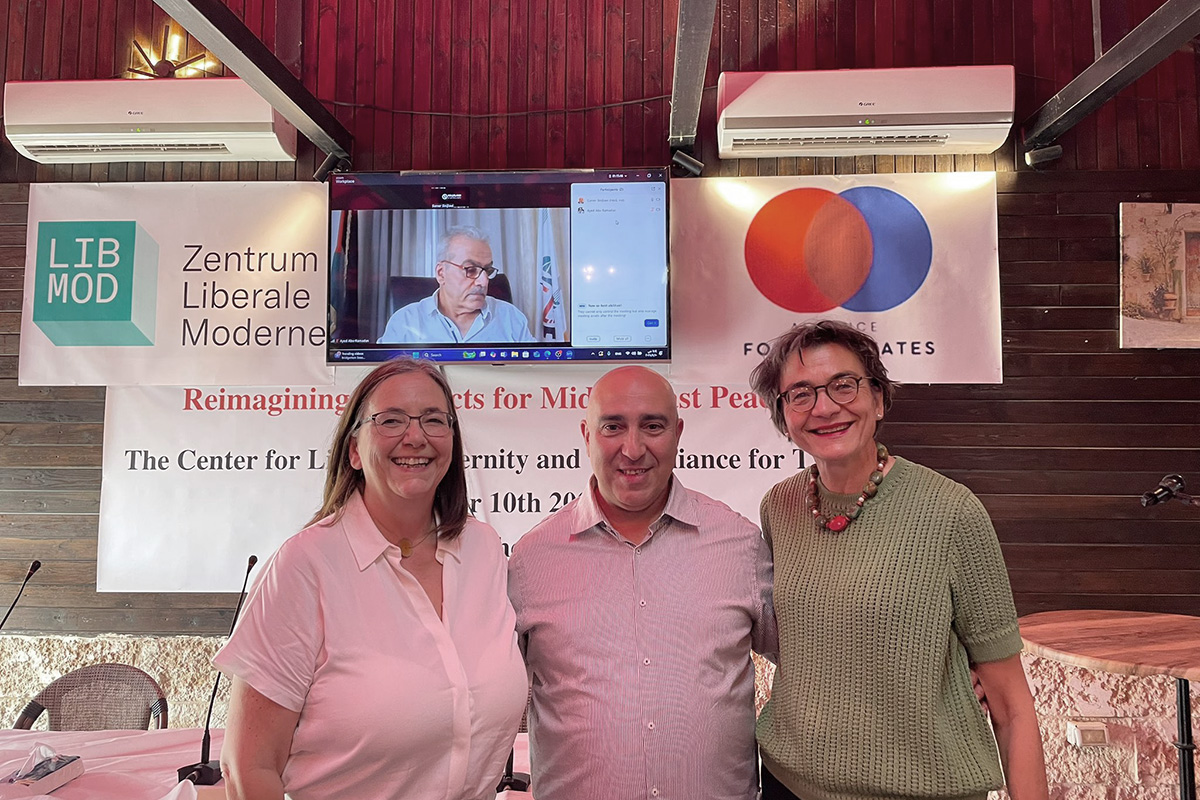
On 10 and 11 November, the Middle East Network of the Centre for Liberal Modernity organized two politically significant events in Israel and the Palestinian territories of the West Bank, creating space for an open dialogue between Israelis and Palestinians. Despite the tense situation on the ground, more than 100 participants came together to discuss prospects for peace, regional cooperation, and the future of diplomatic initiatives.

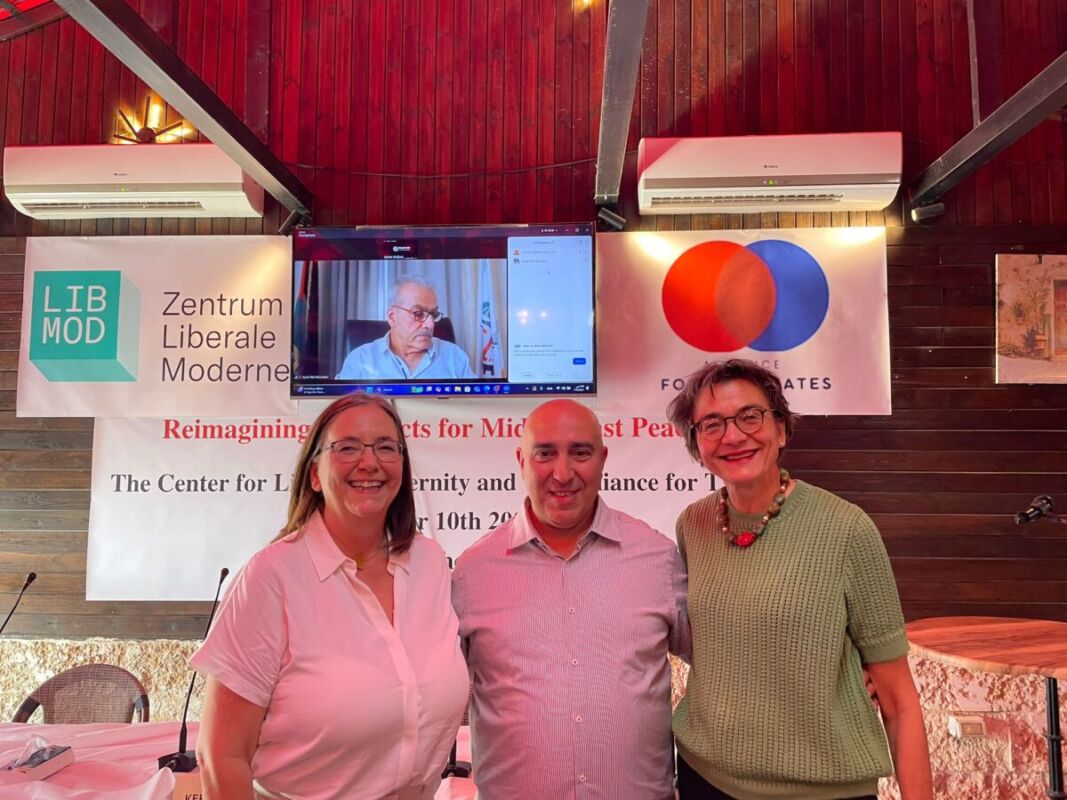
On 10 and 11 November, the Middle East Network of the Centre for Liberal Modernity organized two politically significant events in Israel and the Palestinian territories of the West Bank, creating space for open dialogue between Israelis and Palestinians.
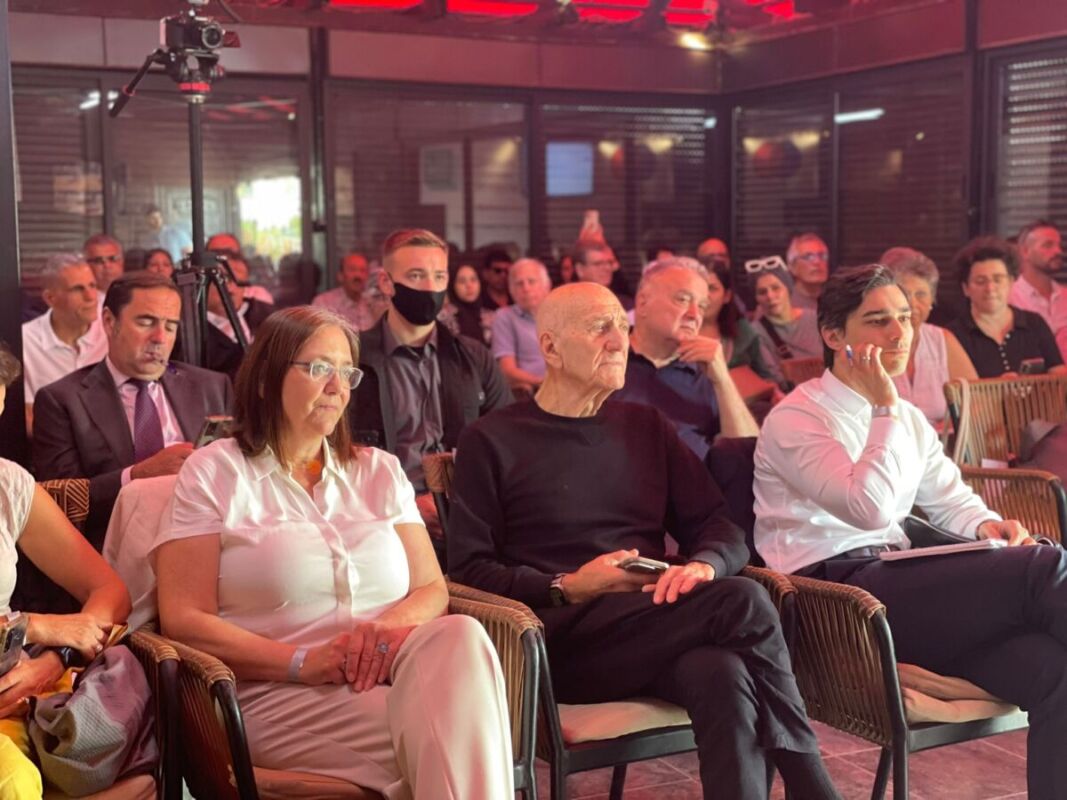
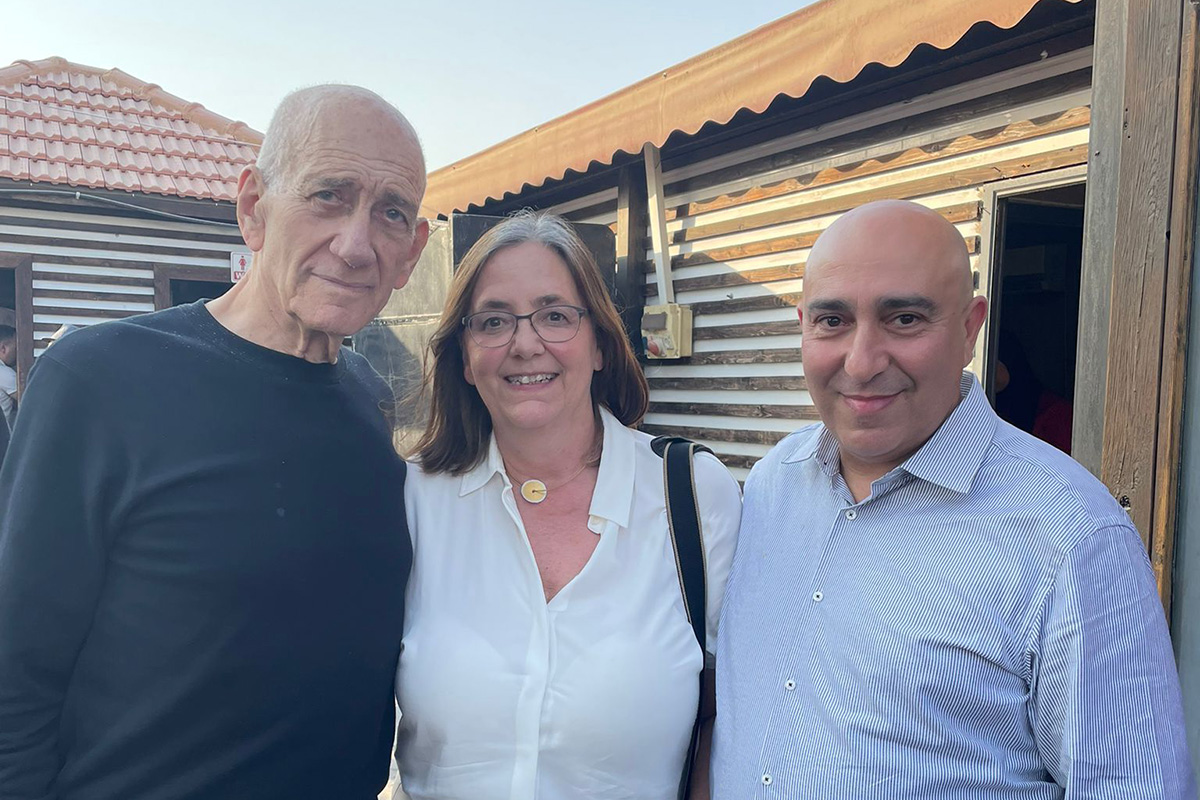
Despite the tense situation on the ground and the opposition of the Palestinian Authority, more than 100 Palestinians and Israelis came together near Jericho in the Palestinian territories to strengthen local-level efforts toward reconciliation. The event in Jericho was organized jointly with the “Alliance for Two States,” also known as the Olmert/Al-Kidwa Initiative. Against the backdrop of the deep trauma in both societies, this gathering was far from a given: Israeli society remains deeply shaken by the brutal terrorist attack of 7 October, while Palestinians are traumatized by the two-year Gaza war, which left thousands dead or injured and resulted in the near-total destruction of Gaza. For this reason, the dialogue event was remarkable and quite exceptional – as noted by all participants.
Ehud Olmert, former Prime Minister of Israel, took part in the event in person. Together with his Palestinian partner Nasser Al-Kidwa, former Foreign Minister and long-standing PA representative to the United Nations, Olmert advocates for the revival of dialogue and the importance of a two-state solution.
The German Federal Foreign Office was represented by Anke Schlimm, Head of the Representative Office in Ramallah. Other prominent participants included Gershon Baskin (Middle East mediator), Jeremy Issacharoff, former Israeli Ambassador to Germany, and Eyal Waldman (founder of Mellanox Technologies). Waldman is a highly respected high-tech entrepreneur whose daughter was killed during the 7 October 2023 attack on Israel at the Nova Music Festival. On the Palestinian side, participants included Samer Sinijlawi (Alliance for Two States) as well as a representative of the Chamber of Commerce in Gaza, who joined via Zoom. Despite the difficult circumstances and diverging views, the atmosphere remained remarkably friendly and respectful.
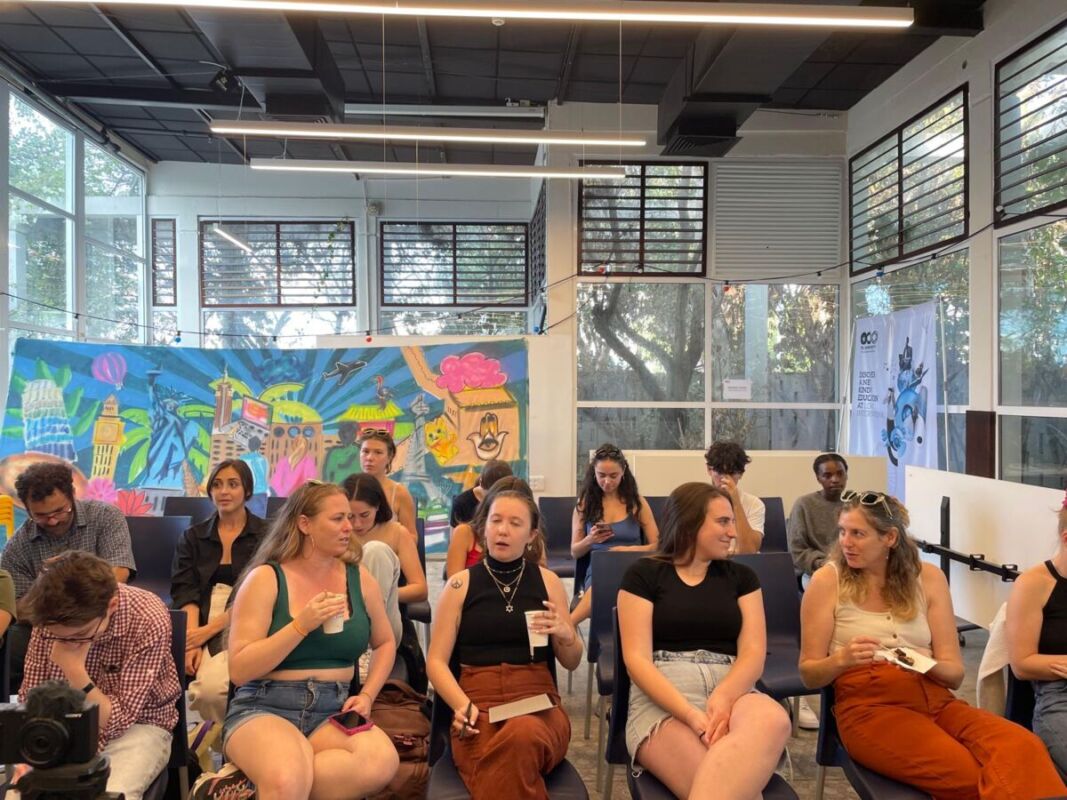
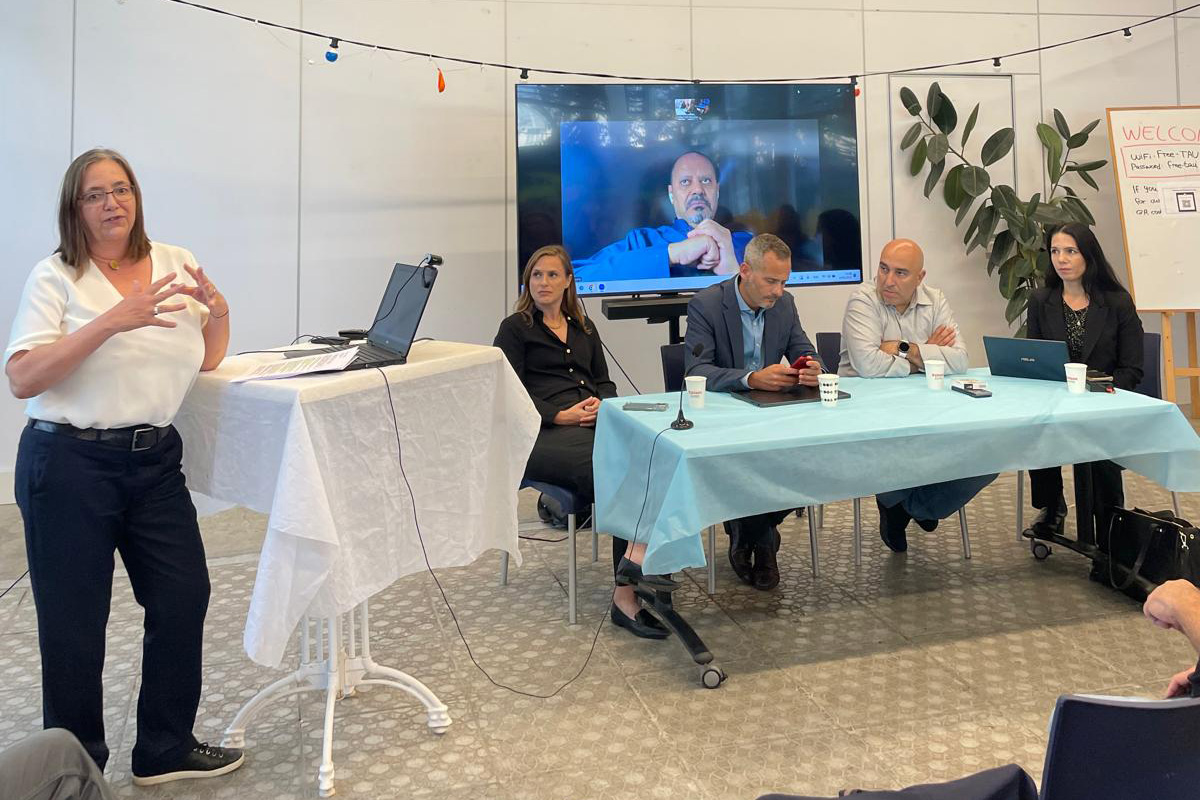
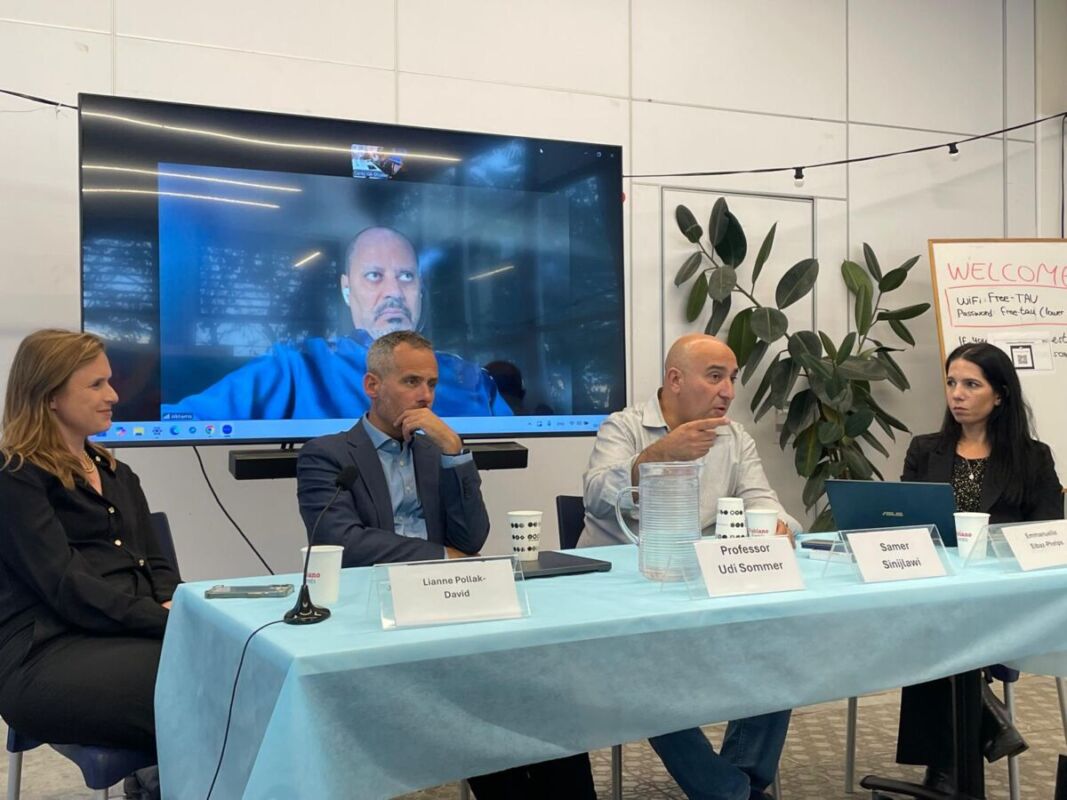
On 11 November, around 30 international students of conflict resolution came together to discuss possible pathways out of the Israeli-Palestinian conflict, the prospects of the Trump Plan, and the potential for Saudi-Israeli normalization. The event was organized jointly with Tel Aviv University and brought together high-level speakers from Israeli, Palestinian, and Saudi backgrounds: Abdulaziz Alkhamis, Saudi columnist and Middle East expert; Lianne Pollak-David, co-founder of the Israeli Coalition for Regional Security and the “Abraham Shield” initiative; Samer Sinijlawi; and political scientist Prof. Udi Sommer.
Both gatherings were important, even though participants held widely differing views – some optimistic, others far more pessimistic regarding the prospects of the Trump Plan, and even more so regarding a two-state solution. This coexistence of diverging opinions reflects the complex reality on the ground. A major benefit of the meetings was the face-to-face interaction, with many Palestinian participants meeting Israelis for the first time, and vice versa. Palestinians openly shared their frustrations and hopes, while Israelis voiced doubts about the sincerity of a peaceful Palestinian push for self-determination. One thing was clear to both sides: both societies remain far from a two-state solution. Nevertheless, participants agreed that peace is not made by governments alone, but above all by the people living in the region. All expressed strong support for continuing such direct dialogue on the ground.
t
Note: Newsletter & Podcast
For further background and analysis on developments in the Middle East, we recommend Marc Schulman’s newsletter and podcast. In addition to a conversation with Kerstin Müller on the situation on the ground, both formats also report on the events described above and provide further context and commentary.
t
Hat Ihnen unser Beitrag gefallen? Dann spenden Sie doch einfach und bequem über unser Spendentool. Sie unterstützen damit die publizistische Arbeit von LibMod.
Wir sind als gemeinnützig anerkannt, entsprechend sind Spenden steuerlich absetzbar. Für eine Spendenbescheinigung (nötig bei einem Betrag über 200 EUR), senden Sie Ihre Adressdaten bitte an finanzen@libmod.de