
Conference report: “Geopolitical turning point? Ukraine and the Future of the EU”
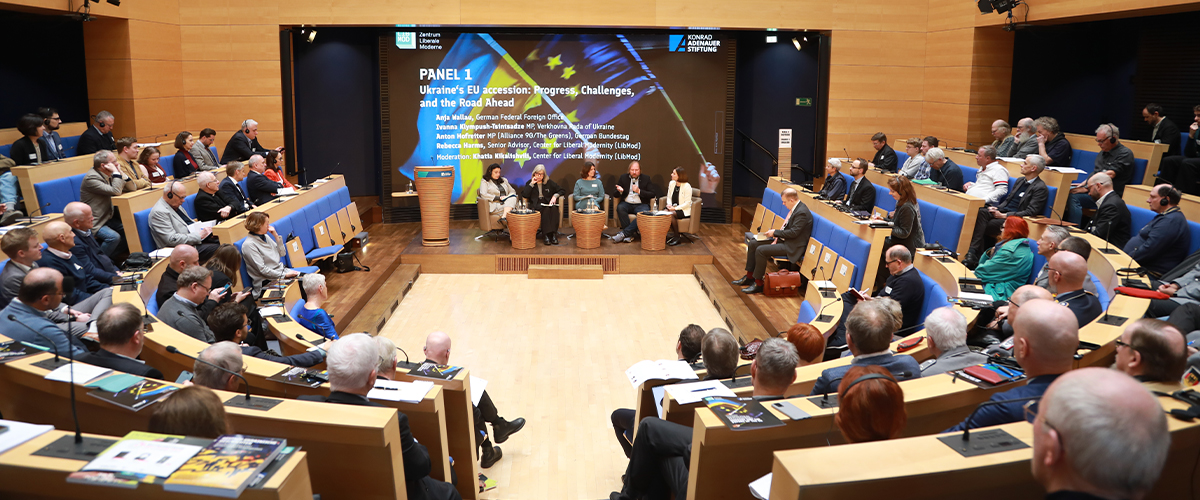
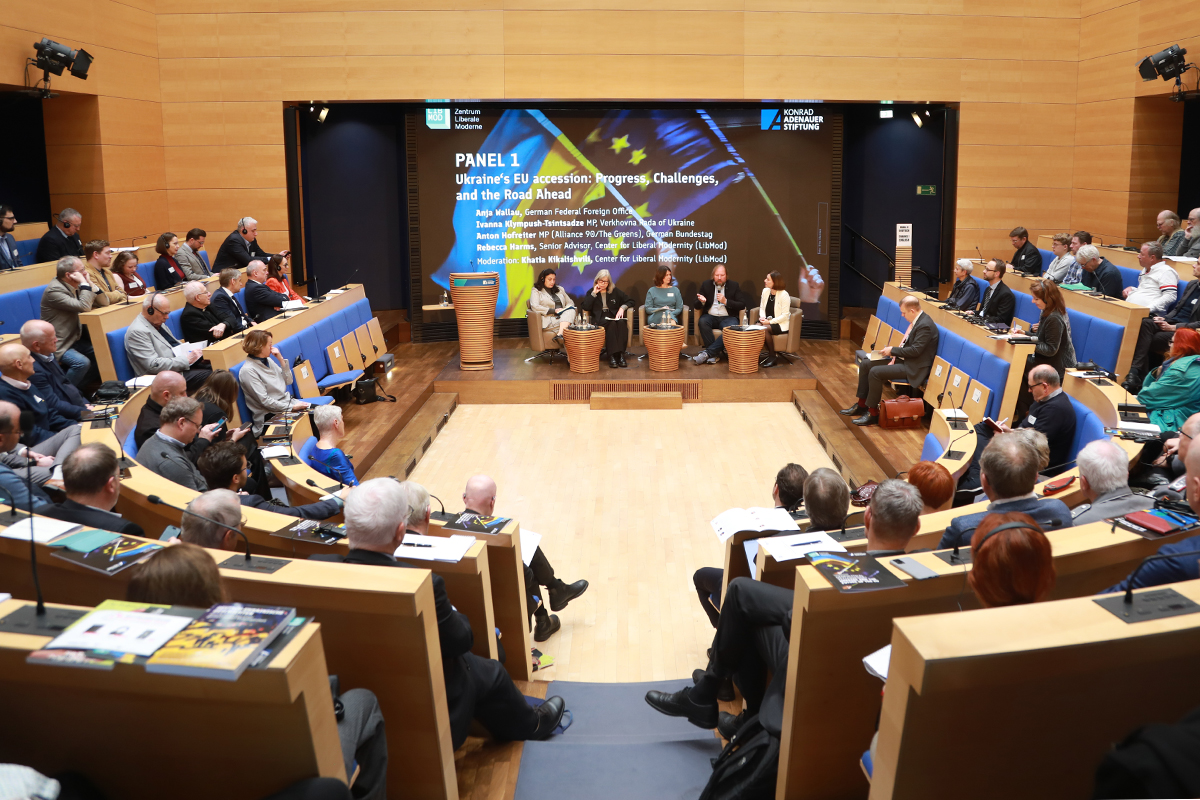
On November 12, 2025, the Konrad Adenauer Foundation Academy hosted the international conference “Geopolitical turning point? Ukraine and the future of the EU,” organized by the Center for Liberal Modernity in cooperation with the Konrad Adenauer Foundation. Numerous high-profile panelists debated the future of the EU and a possible geopolitical turning point.
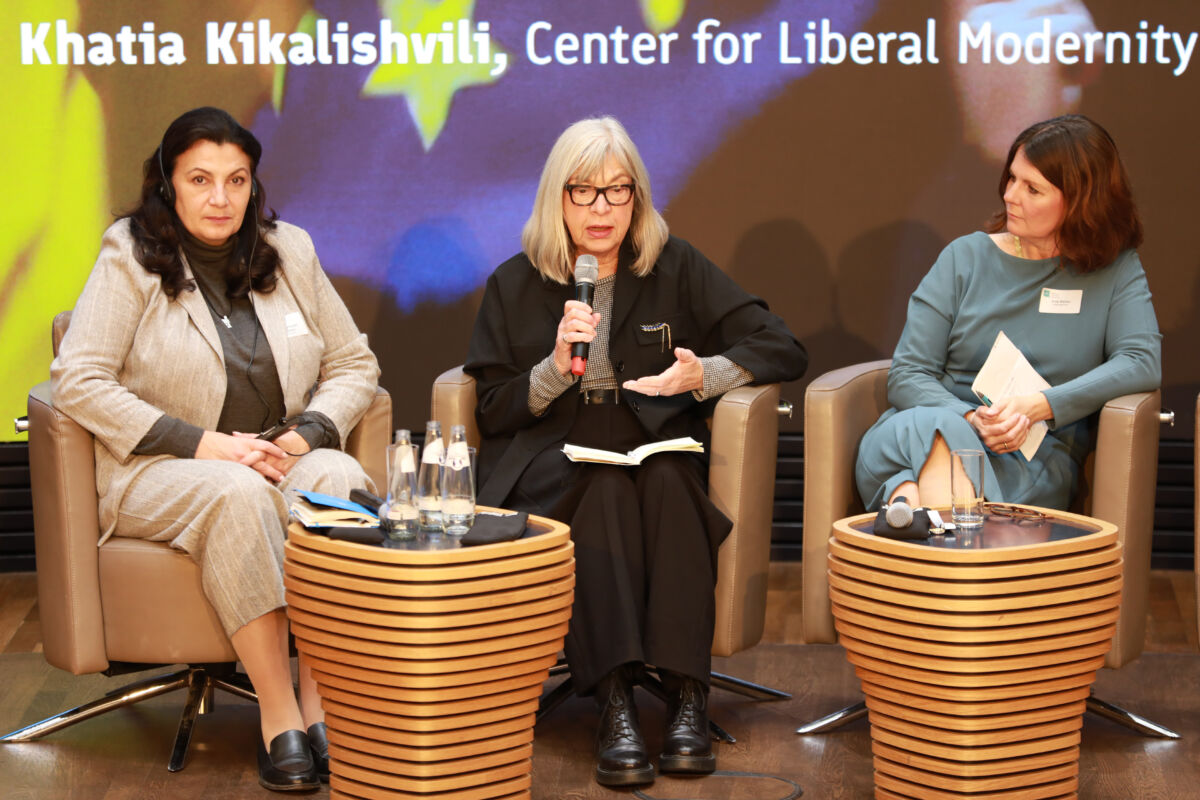
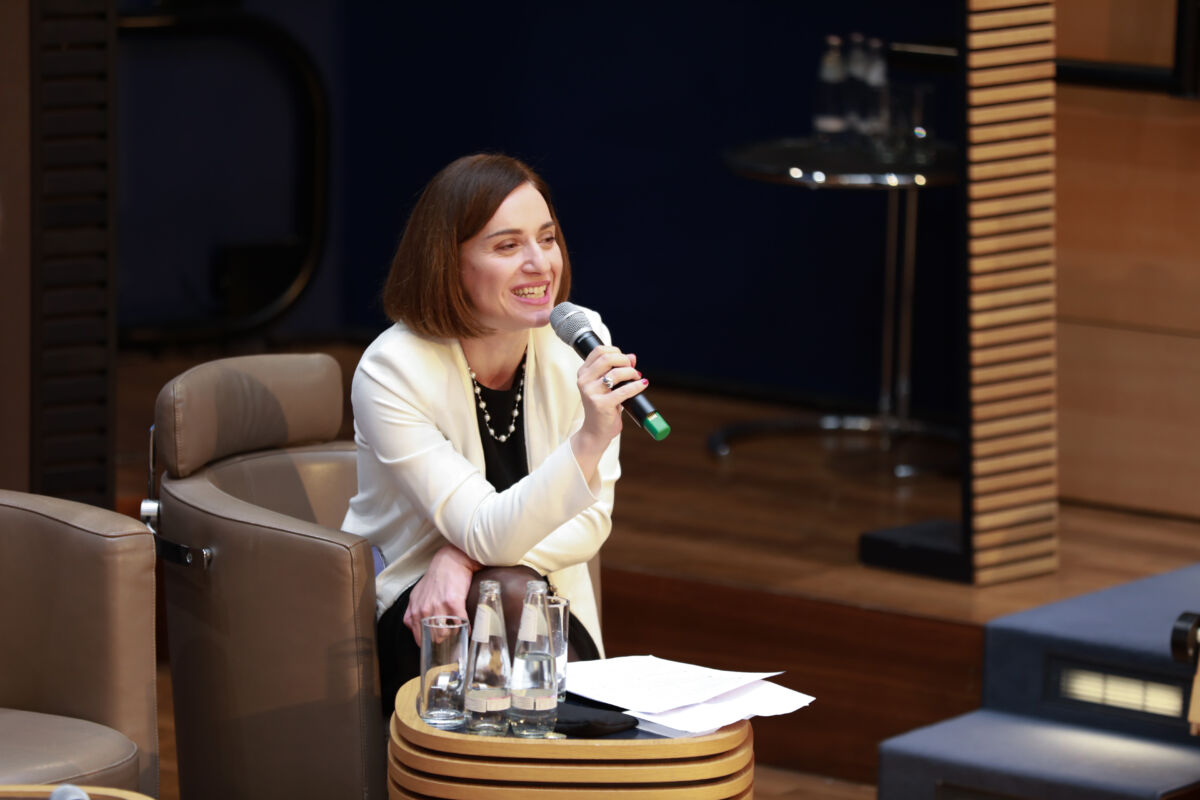
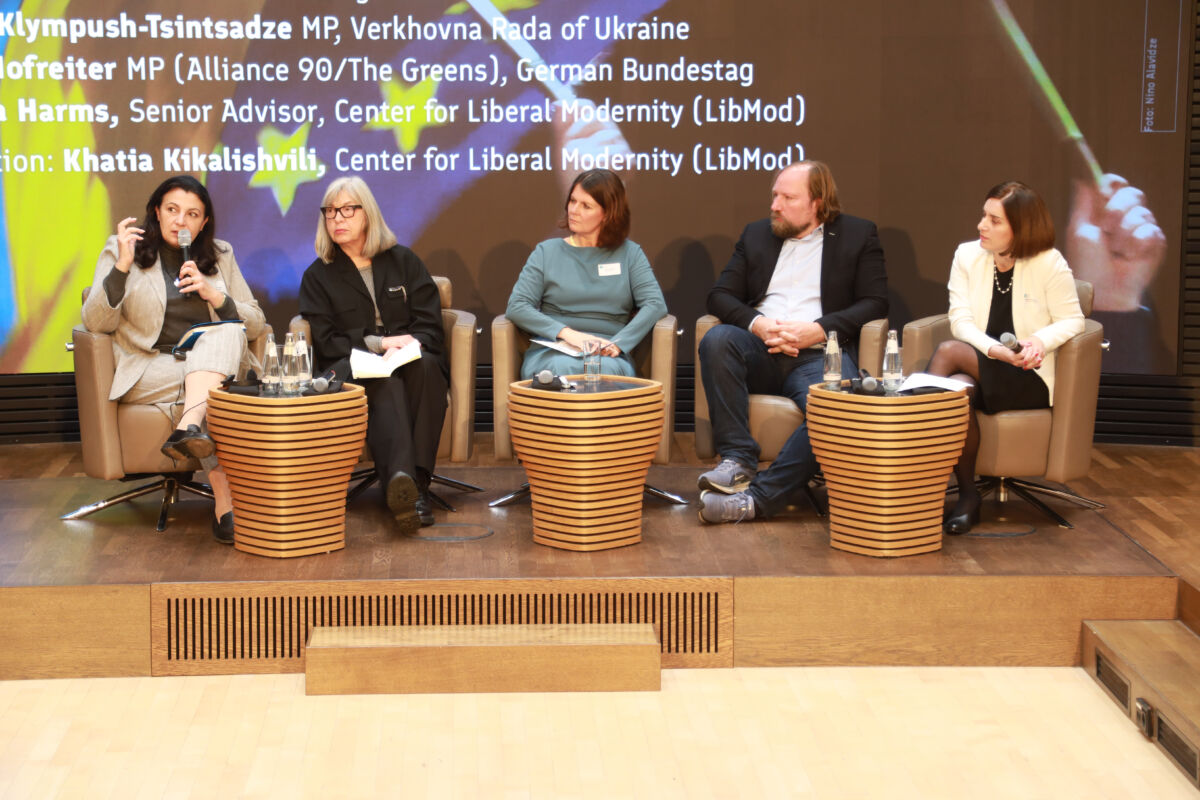
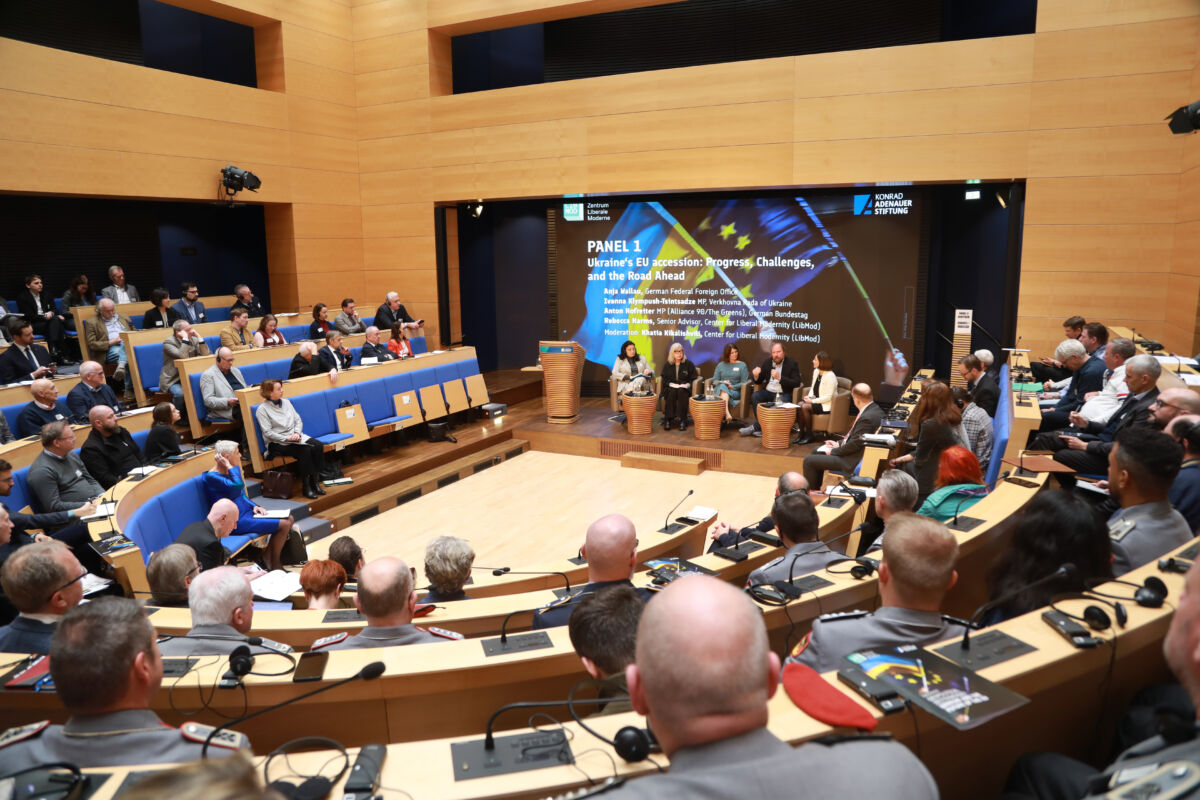
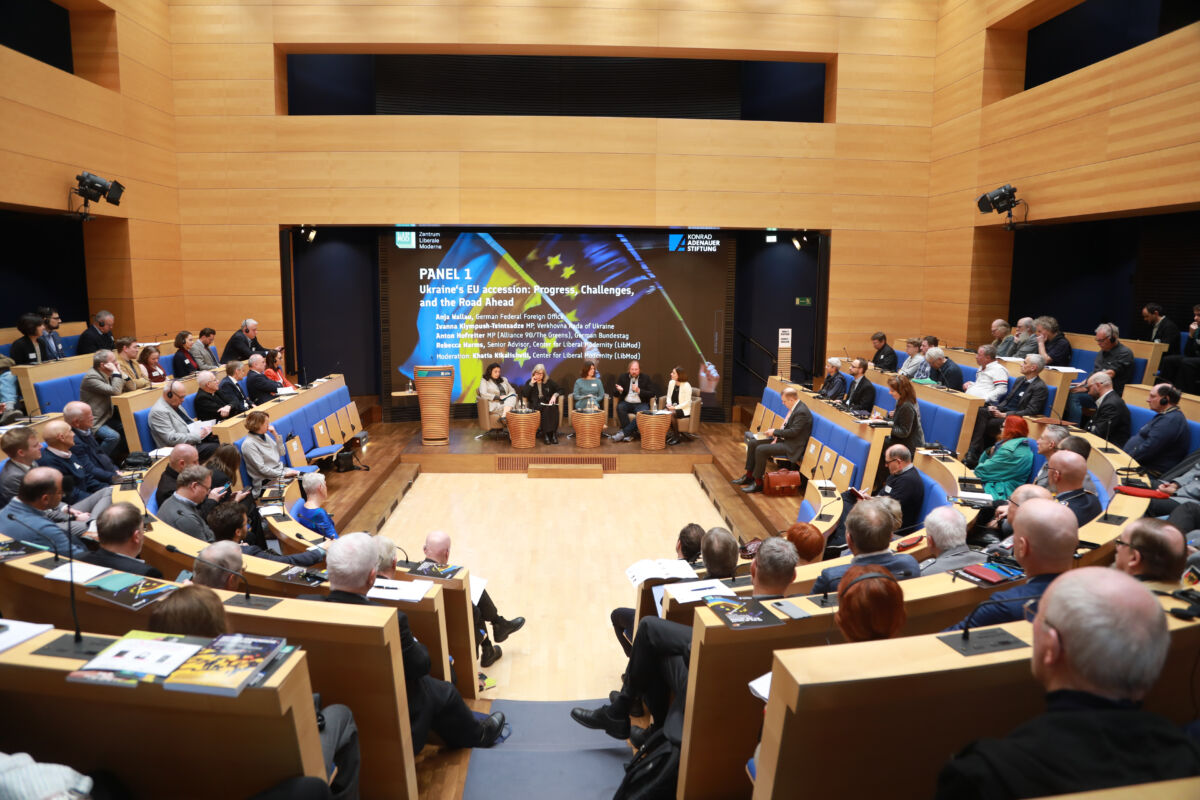
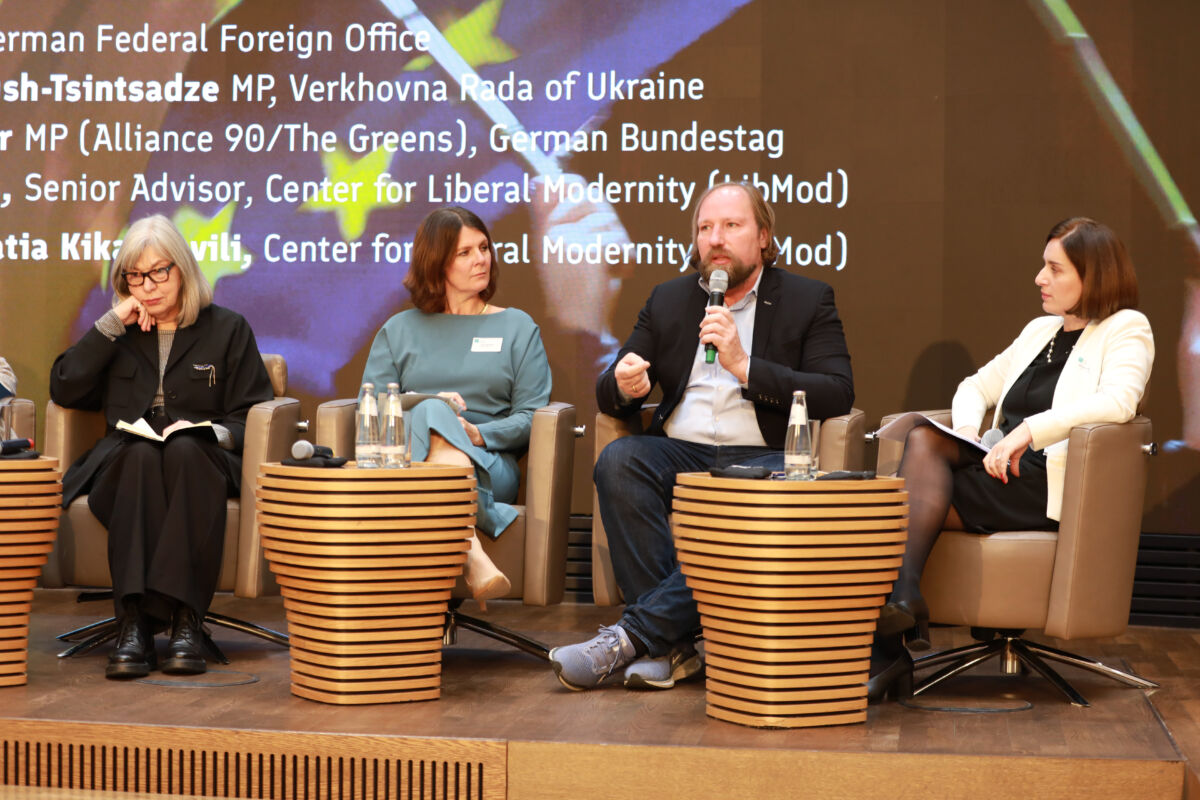
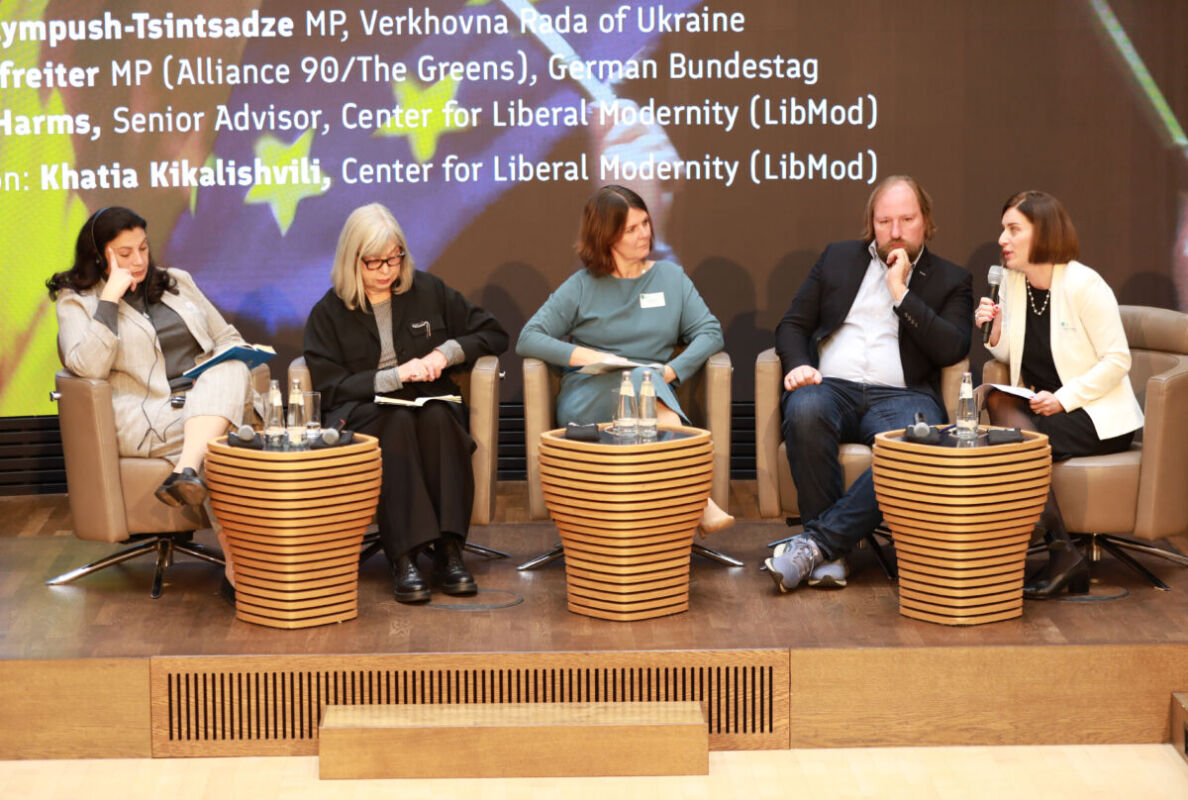
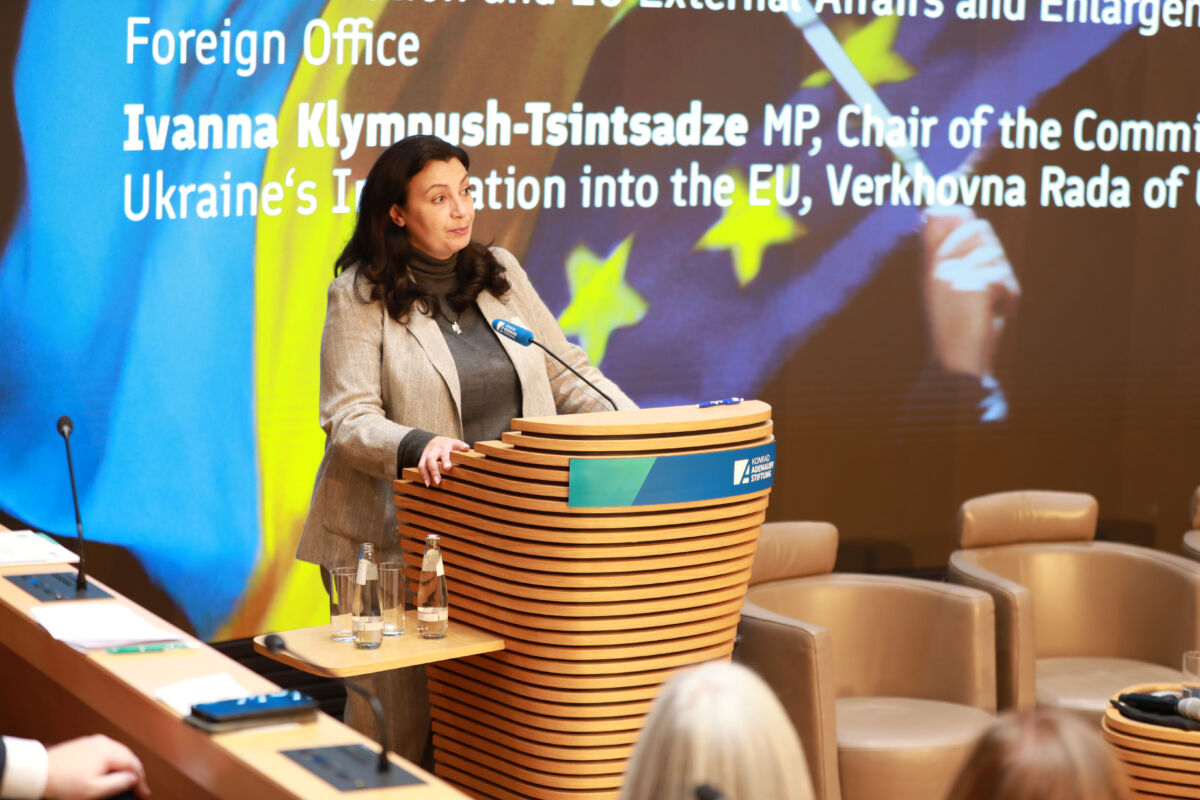
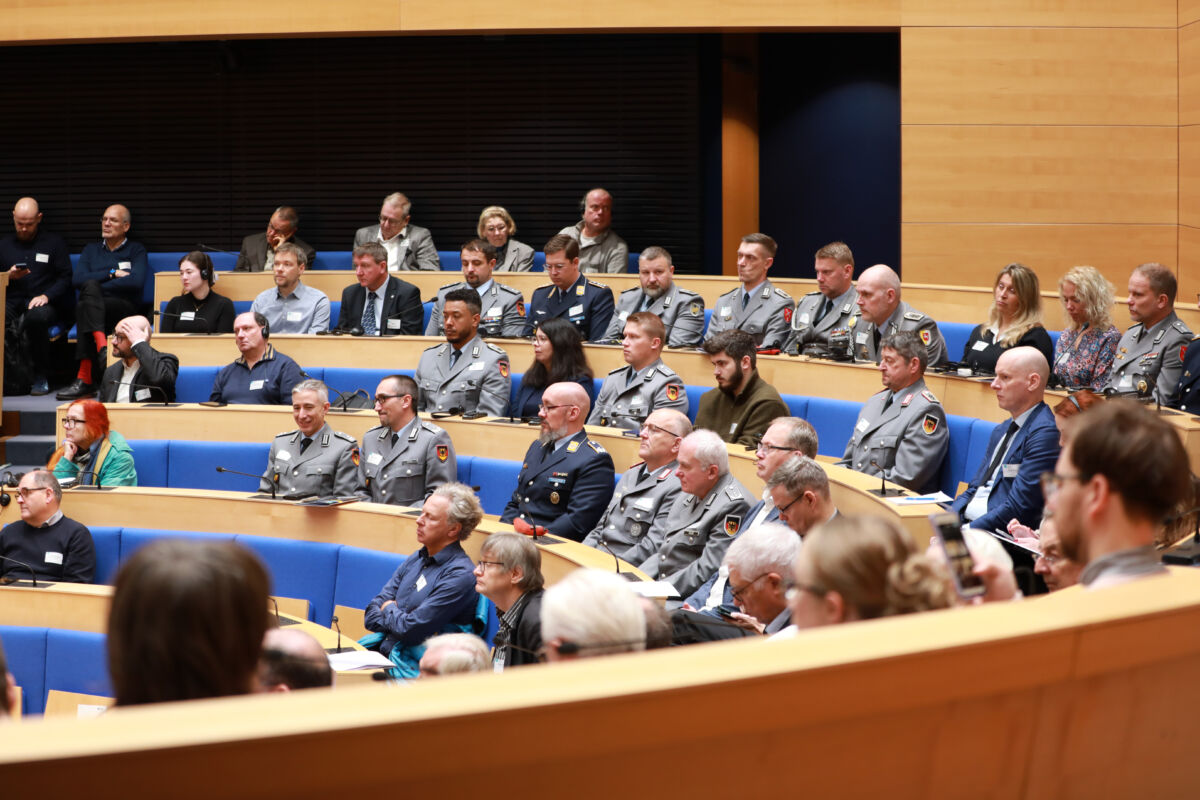
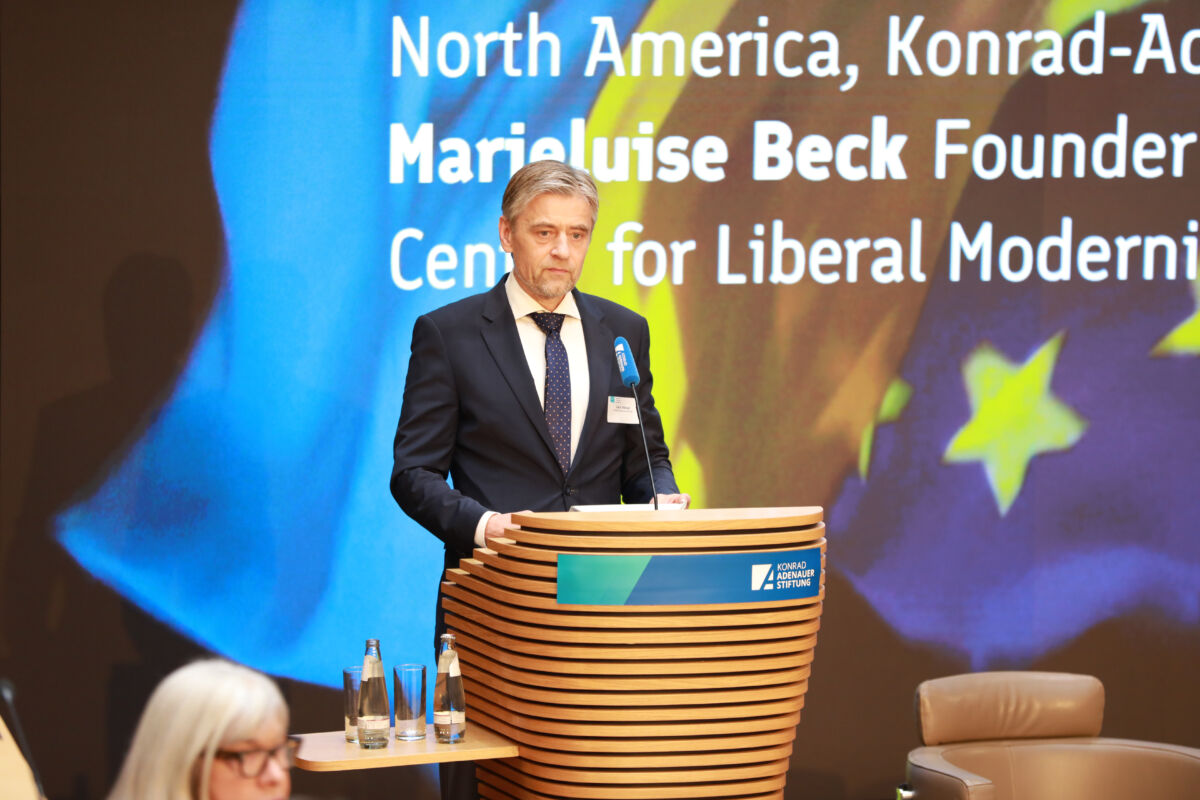
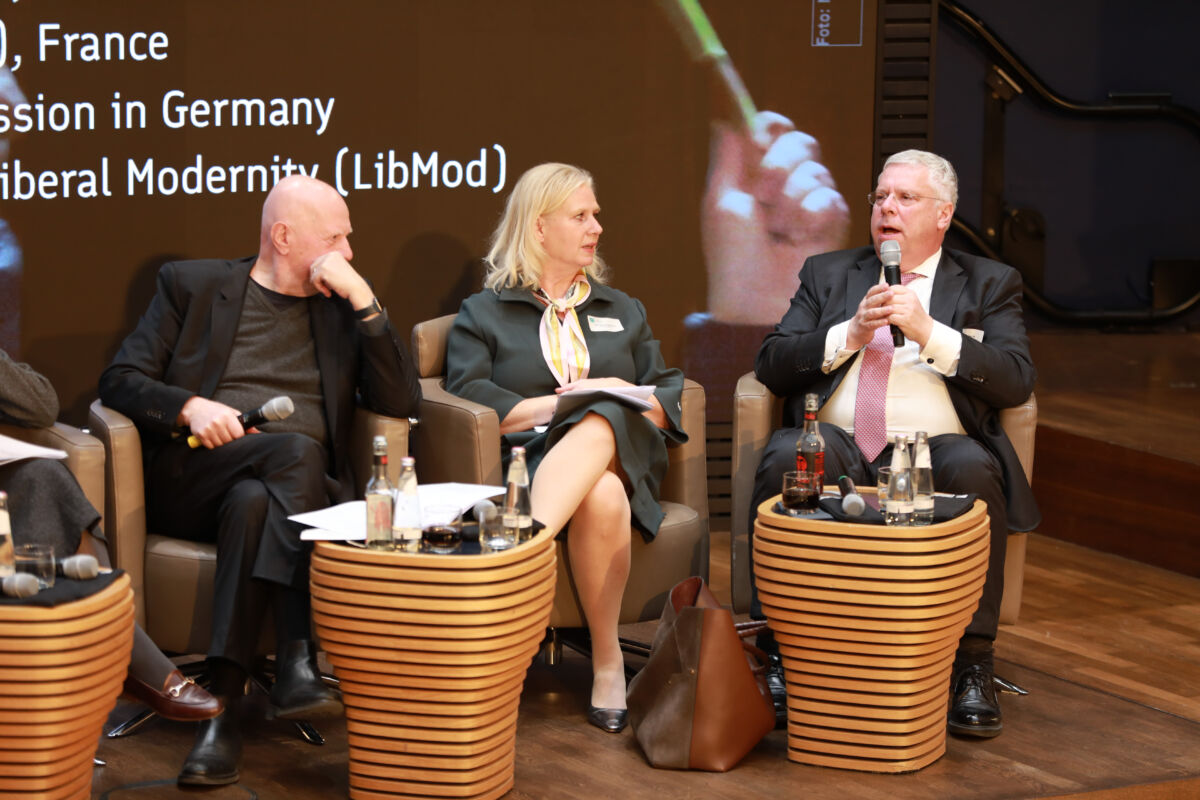
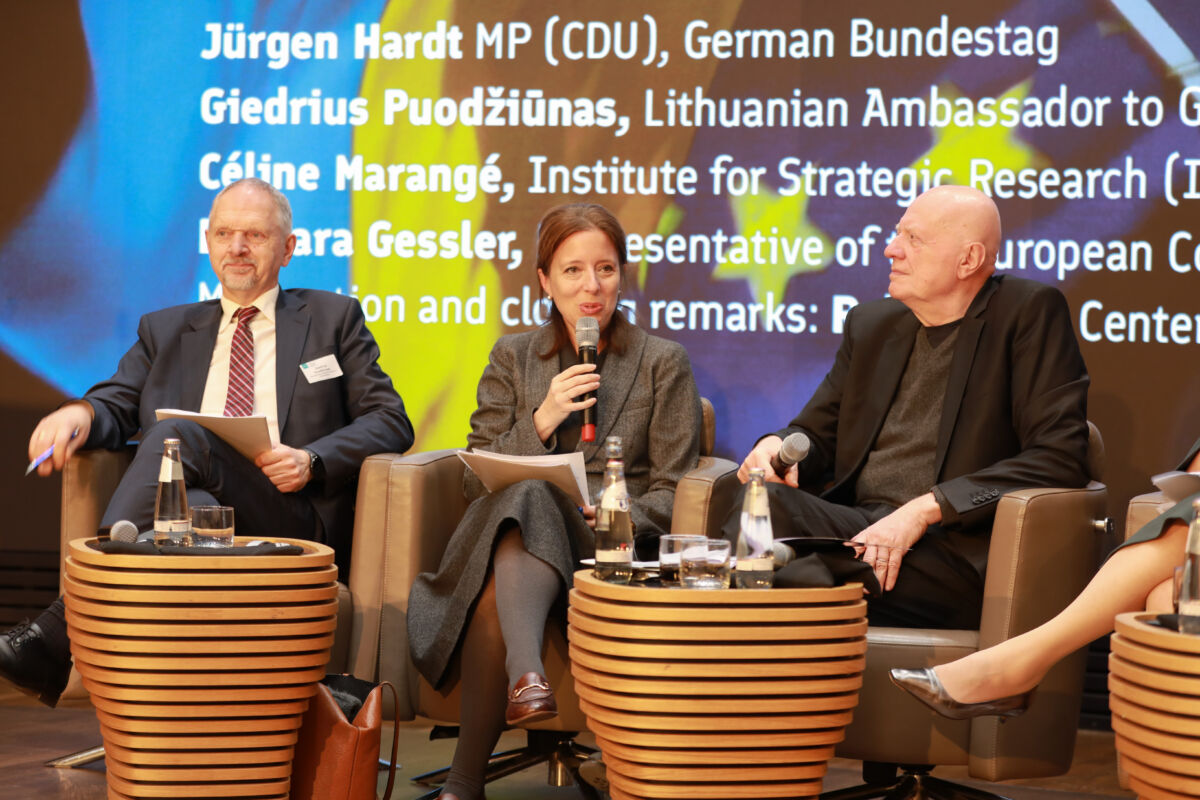
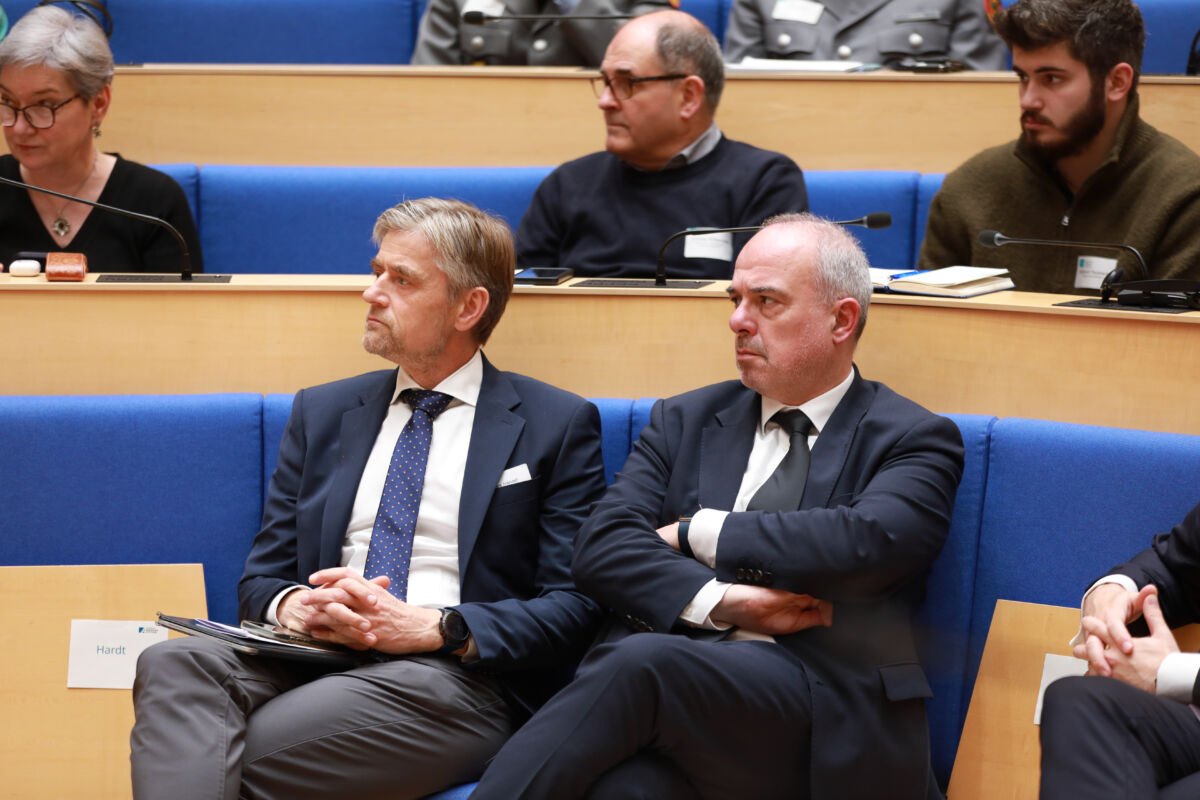
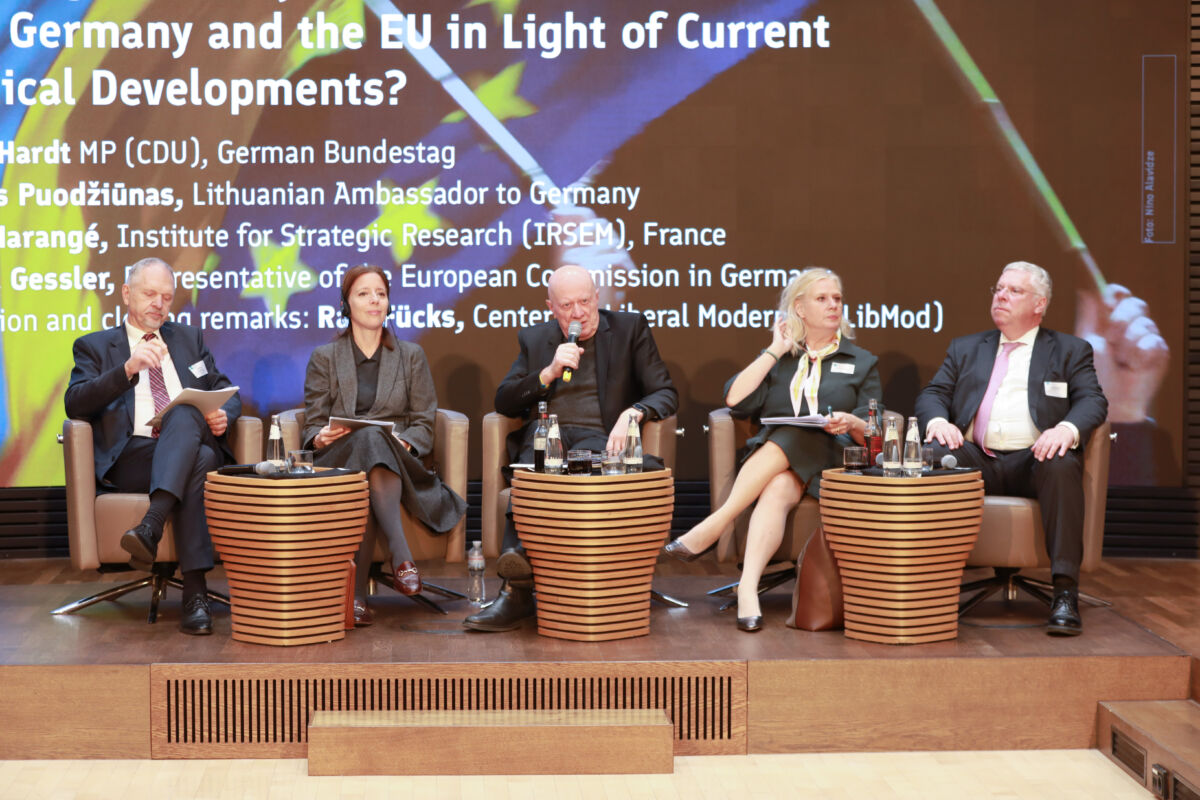
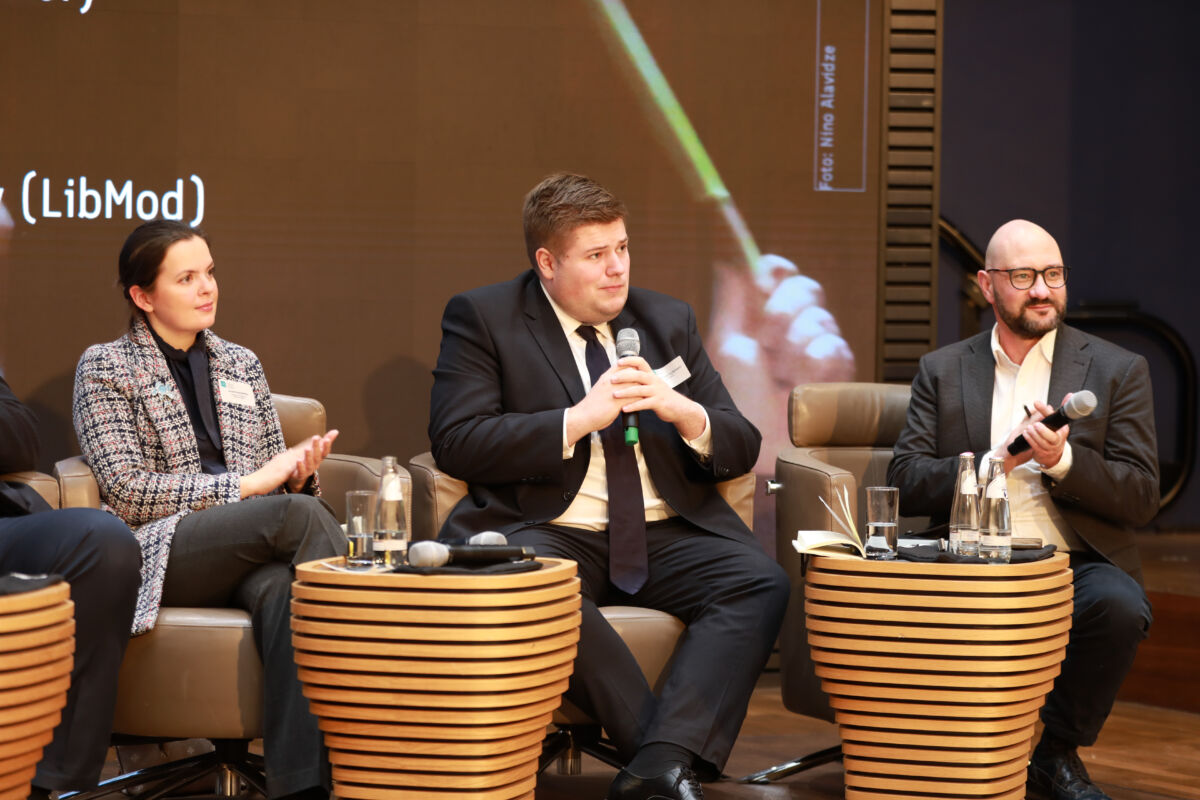
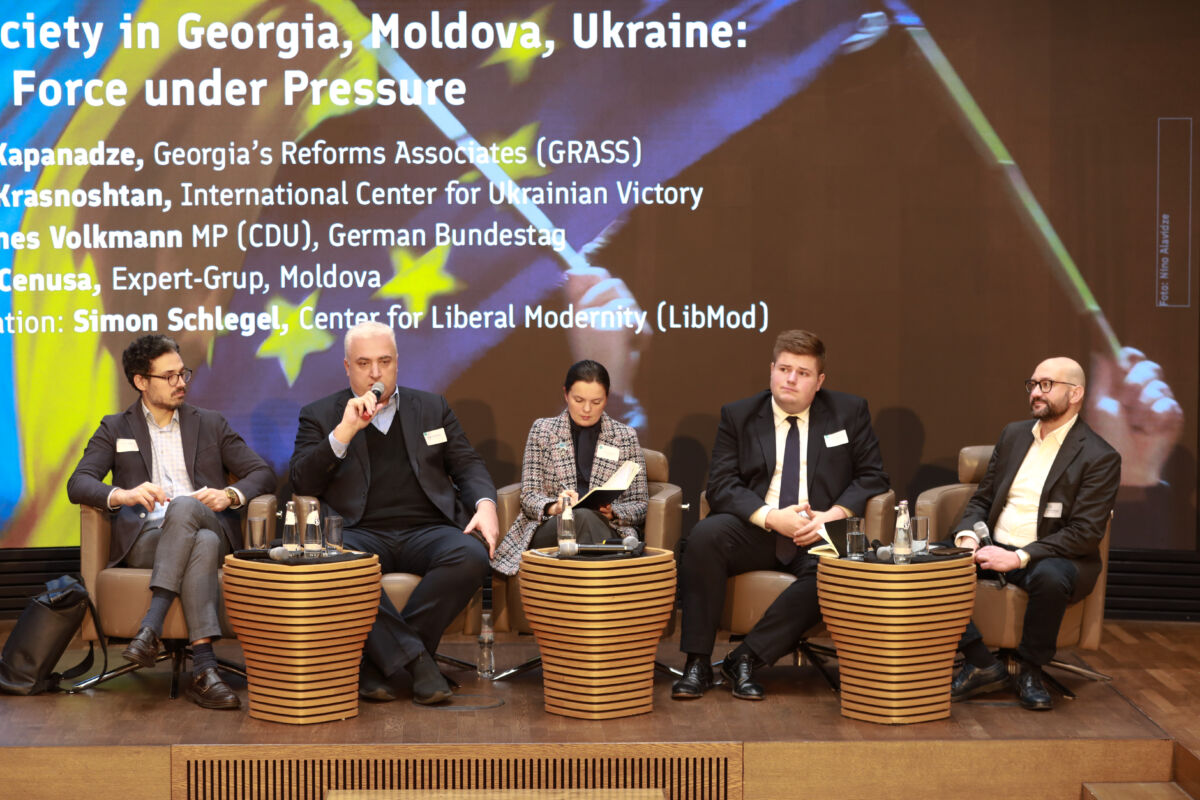
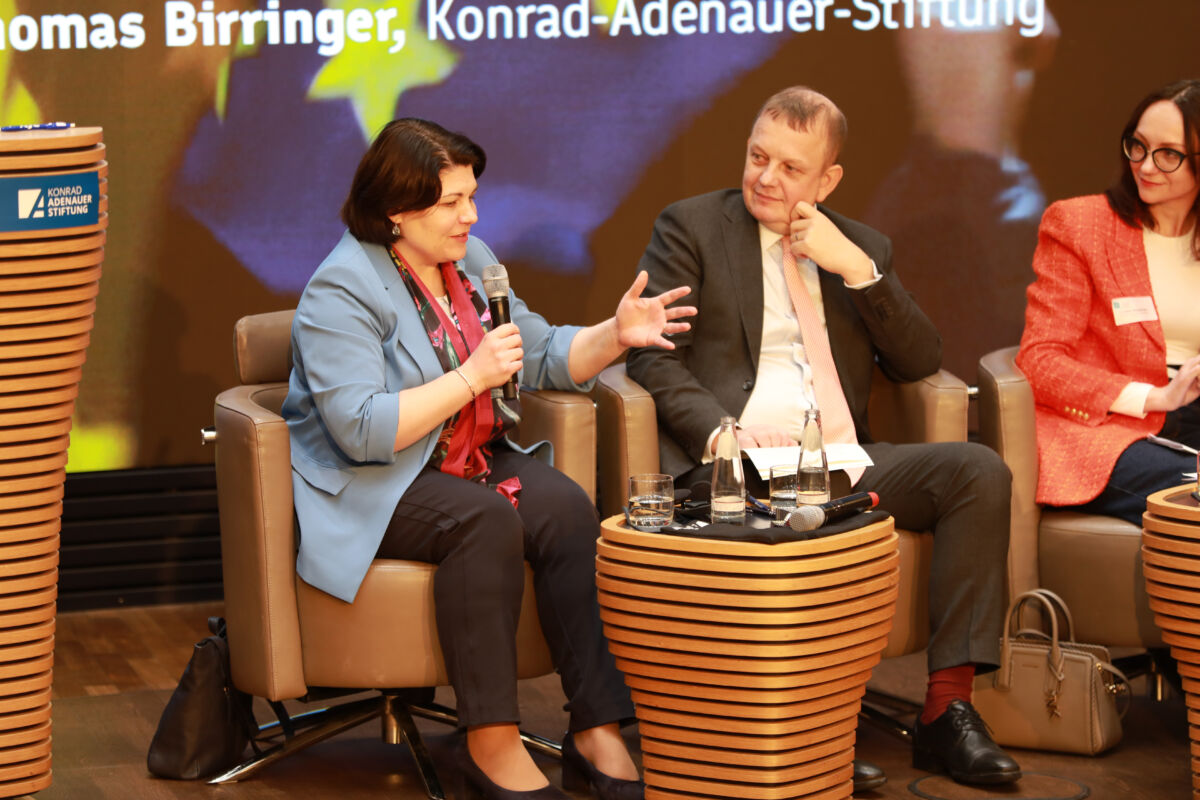
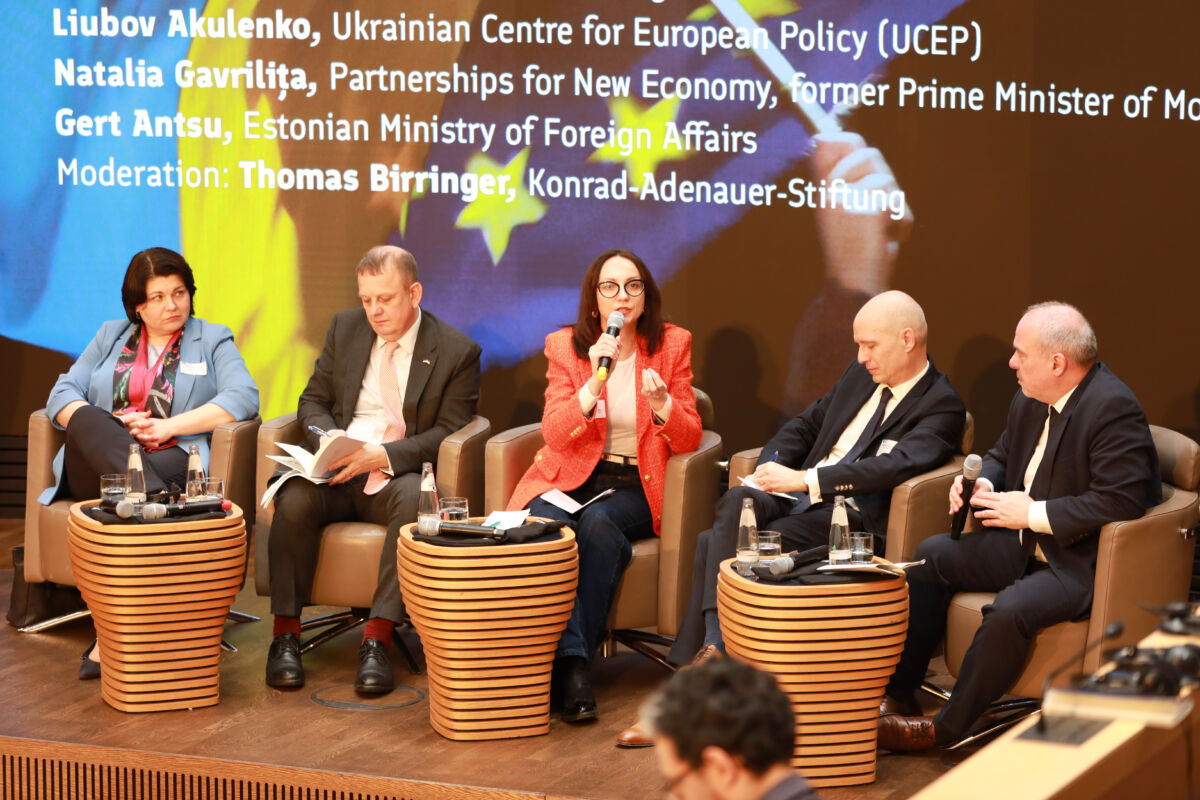
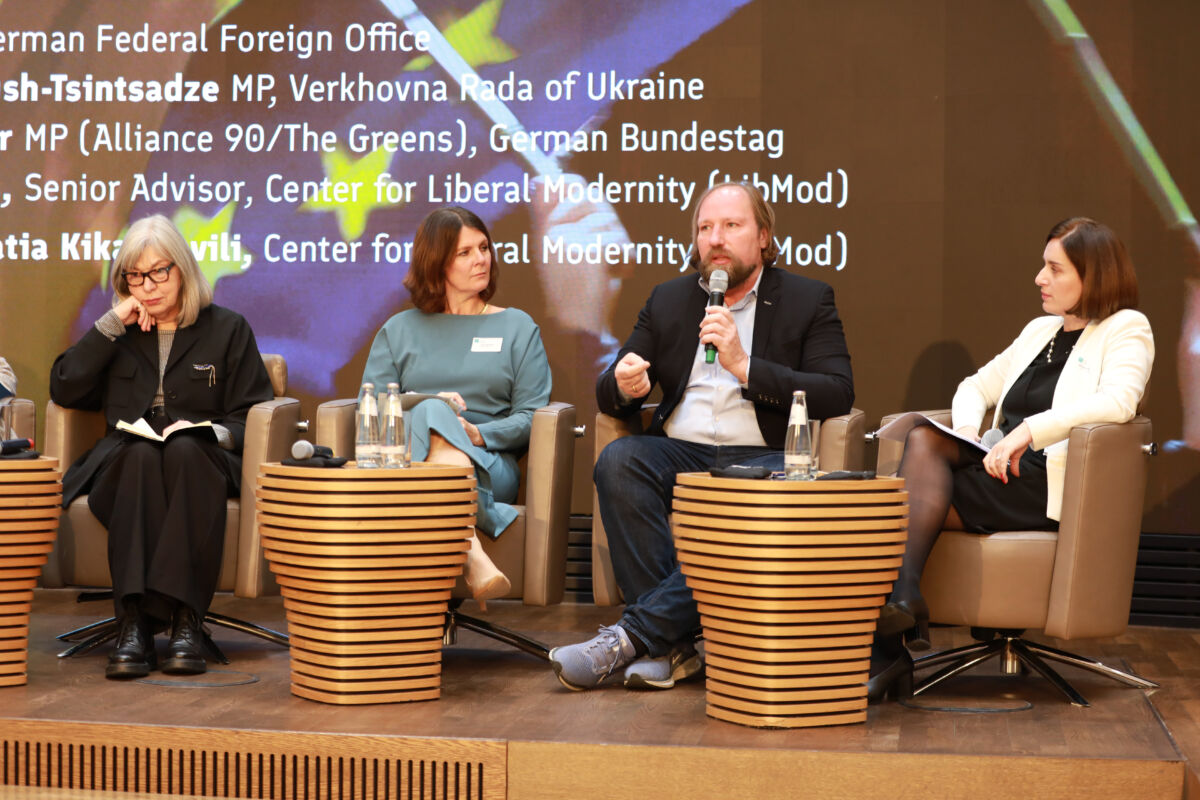
Russia’s war of aggression affects not only Ukraine, but also the cornerstones of the European order, emphasized Lars Hänsler, Head of the Europe and North America Department at the KAS, in his opening speech: “Ukraine is defending not only its territorial integrity, but also the European peace and security order.” EU enlargement is less a technocratic exercise than a “geostrategic necessity,” Lars Hänsler continued. The future of Europe is being decided in Ukraine, and it is there that it will become clear “whether borders on the European continent can be shifted by force.”
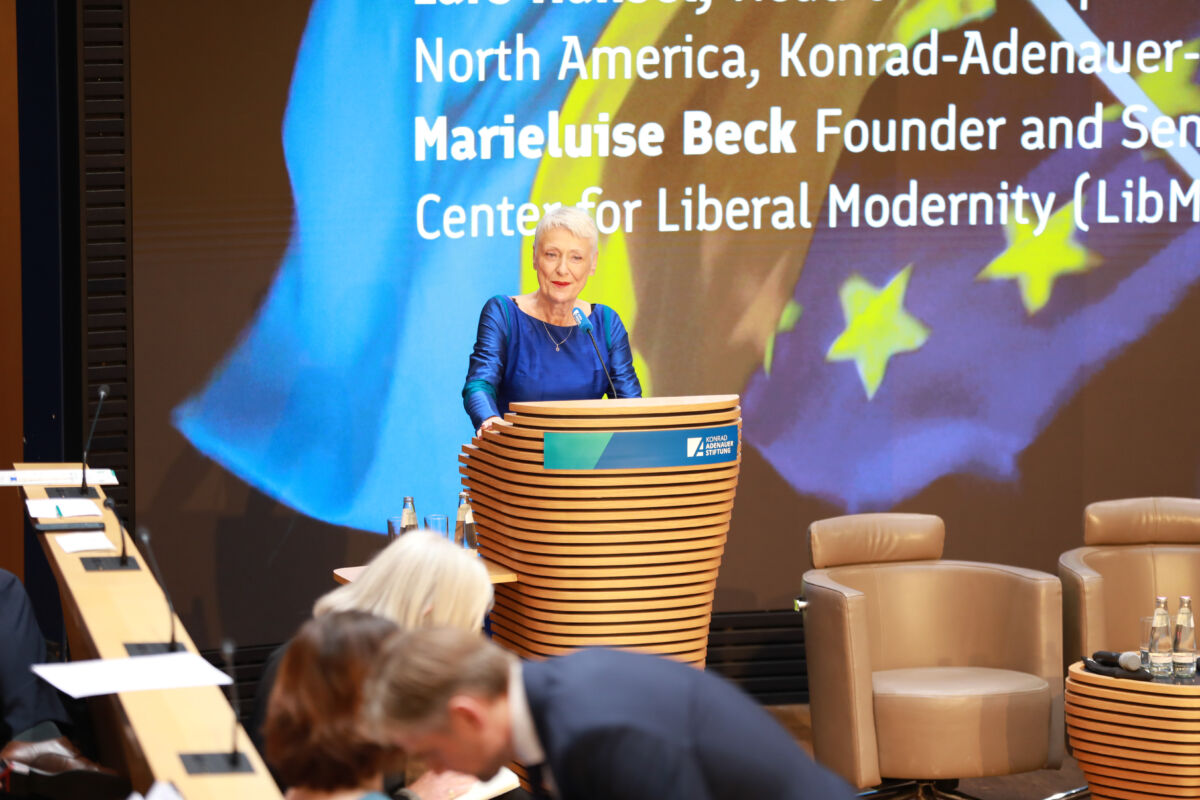
Marieluise Beck followed up on this and placed recent developments in a broader historical context: The geopolitical upheavals were not a singular “turning point,” but had their precursors—in Georgia in 2008, in Syria, and with the violations of international law since 2014. She analyzed that Europe had long lived in a phase of self-deception, lulled into a state of “great calm and comfort.” The Eastern Europe expert and co-founder of the Center for Liberal Modernity also warned against blockages within the EU: “We have spoilers who are crippling the European Union from within,” while Ukraine is paying the price for European hesitancy on a daily basis.
Two keynote speakers kicked off the further discussion: Anja Wallau, Commissioner for Fundamental Issues of European Policy, EU Coordination and EU External Relations at the Federal Foreign Office, highlighted the structural challenges of an EU accession process in her speech. Ivanna Klympush-Tsintsadze, Member of the Verkhovna Rada and Chair of the Committee on Ukraine’s Integration into the EU, emphasized the existential importance of Ukraine’s accession to the EU.
Keynote: Anja Wallau
In her contribution, Anja Wallau analyzed the current situation in Ukraine and the structural challenges of the EU accession process: For three and a half years, Ukraine has been defending itself against “brutal Russian aggression that violates international law.” More precisely, “for 1358 days,” she emphasized, thus specifying the existential threat. Repeated attacks on energy infrastructure have already led to massive power outages.
In this context, she also spoke about the latest allegations of corruption. These had caused great incomprehension among the population, particularly in the energy sector. According to Wallau, Ukraine has set itself clear reform goals, particularly in the area of anti-corruption institutions. Wallau saw the fact that the attempt to curtail the independence of these authorities had been withdrawn following protests by civil society as proof that a vibrant civil society was the “driving force behind the rapprochement process.”
Keynote: Ivanna Klympush-Tsintsadze
Ukraine has been fighting for its right to exist and its European future for twelve years, said Ivanna Klympush-Tsintsadze in her keynote speech. While Russia is destroying cities, deporting citizens and attempting to break resistance with attacks on energy infrastructure, Ukraine continues to resolutely defend its European course, the member of the Verkhovna Rada continued. EU accession is therefore less a technocratic issue rather than a genuine “civilizational choice” – and Ukrainians have chosen the EU and with it an area of freedom, security, and justice. She emphasized that Europe needs Ukraine just as much as Ukraine needs Europe, as this is the only way it can maintain political substance and global capacity to act. Her appeal was to “pragmatically do the impossible”: to push ahead with Ukraine’s accession to the EU and jointly develop a perspective for victory over Russian aggression.
Panel 1: Ukraine’s accession – where do we stand now?
The first panel made it clear that EU enlargement is politically desirable but is being slowed down by internal blockages and unresolved reform issues.
Anja Wallau emphasized that enlargement and internal EU reforms should not be sequential but should proceed “credibly hand in hand.” She underlined that the accession treaties themselves could be designed to be flexible: “We can look at accession treaties – what is possible there, whether transition periods help or whether flexible cooperation can be used more extensively.” At the same time, Ukraine should receive tangible benefits at an early stage through gradual integration: “Gradual integration can be seen as a continuum – Erasmus, roaming, scientific cooperation – things that make it clear that progress is real.”
Anton Hofreiter criticized the Hungarian veto as an expression of a “naively formalistic” EU policy and called for significantly more political pressure on the Hungarian government. He also advocated designing future EU accession treaties in such a way that new member states waive or limit their right of veto in order to prevent blackmail and blockades in the enlargement process.
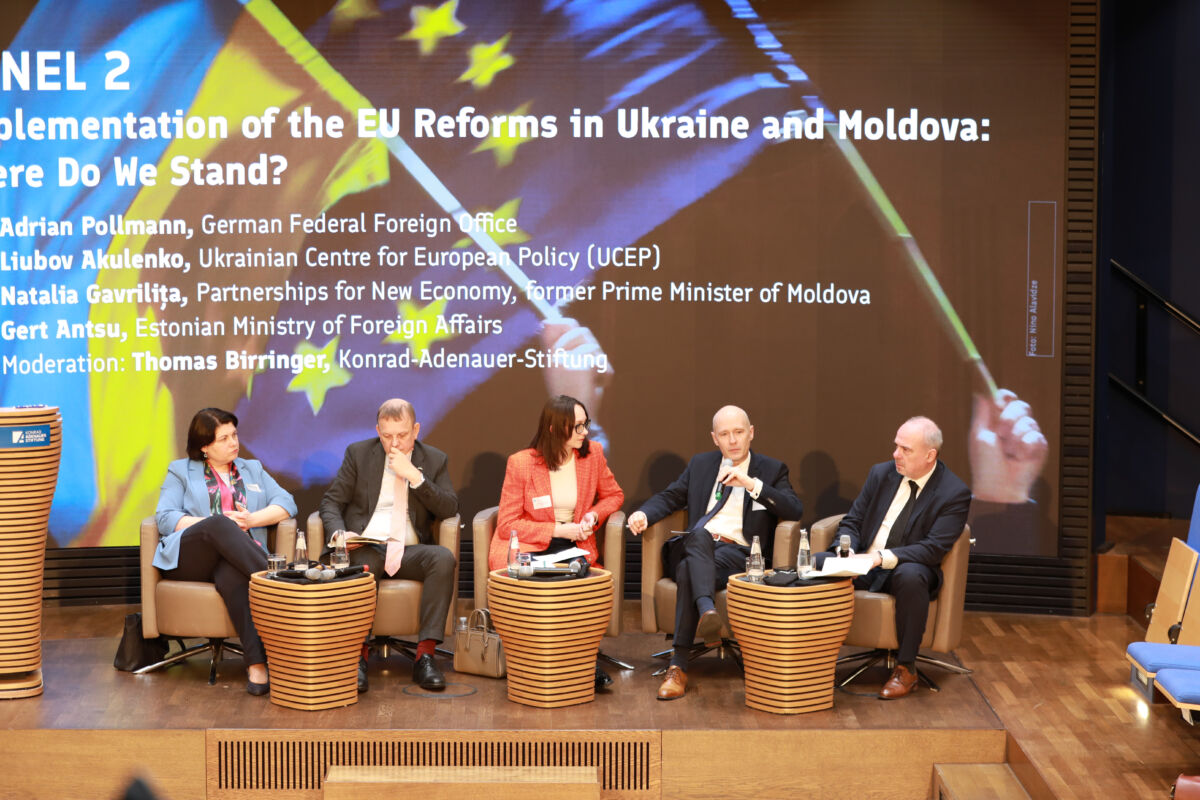
Panel 2: Implementation of EU reforms in Ukraine and Moldova
The second panel focused on the current status of the implementation of EU reforms. Representatives from diplomacy, politics, and civil society took stock of the situation, highlighting both progress and significant challenges. Despite war, massive Russian influence, and structural weaknesses, significant progress is visible—but at the same time, there are still major shortcomings.
Adrian Pollmann (German Federal Foreign Office) praised Ukraine for its extraordinary reform achievements despite the war and emphasized that the EU integration process under war conditions was “a very special case.” Particularly in the areas of the rule of law and the fight against corruption, there are still major tasks to be tackled, such as protecting the independent anti-corruption authorities NABU and SAPO.
Liubov Akulenko (UCEP), on the other hand, warned against an overly optimistic portrayal by the European Commission. An overly positive communicative framing could lead to politically painful but necessary reforms being postponed. She advocated for confidential, stringent bilateral dialogue between Germany and Ukraine in order to reliably demand the implementation of reforms. At the same time, civil society is under enormous pressure in a state of war – consistent pressure for reform is therefore essential for the stability of the country.
Panel 3: Civil society in Georgia, Moldova, and Ukraine
The central and increasingly endangered role of civil society was the focus of the third panel discussion.
Iryna Krasnoshtan described how Ukrainian activists are providing survival aid, international advocacy, and anti-corruption monitoring under war conditions — all while facing constant threats of physical attacks and political pressure.
Sergi Kapanadze painted an alarming picture of systematic repression in Georgia: civil society, the media, the opposition, and universities are under massive pressure, while “agent laws” and criminal prosecution further restrict democratic space.
Member of the German Bundestag Johannes Volkmann made it clear that a strong, independent civil society in Ukraine, Moldova, and Georgia is not a “nice-to-have” but a central pillar of their European future. Without free media, critical NGOs, and political pluralism, there can be no sustainable democracy — and thus no successful EU accession.
The panelists emphasized that despite these threats, resistance, pro-European support among the population, and international cooperation remained crucial to securing democratic space for action.
Closing panel
Ukraine’s accession to the EU represents a key geopolitical challenge for Germany and the EU. This became clear in the closing panel. Lithuanian Ambassador Giedrius Puodžiūnas emphasized: “Ukraine must be our number one priority.”
Jürgen Hardt emphasized that the enlargement process was also a driver of reform for the EU: “Perhaps we will find a better solution if there is pressure to get serious and concrete at some point.”
Barbara Gessler underscored that enlargement and internal strengthening of the EU are inextricably linked: “It must be a parallel process: Europe becomes strong through enlargement. Europe must become economically strong, it must be able to defend itself — because ultimately, it is also about being capable of enlargement.”
French political scientist Céline Marangé analyzed the security policy implications and concluded: “Ukraine in the EU would have strategic significance, as the Kremlin is attacking Ukraine and the rest of Europe.”
Ralf Fücks summed up the strategic perspective in his closing remarks: “The crucial question is that Ukraine maintains its full sovereignty internally and externally... and that includes joining the European Union.”
Despite differing inputs and perspectives, all the contributions made one thing clear: Ukraine’s accession to the EU is not only a political integration process, but also a cornerstone of European security policy and an important foundation for the future of the European continent.
H
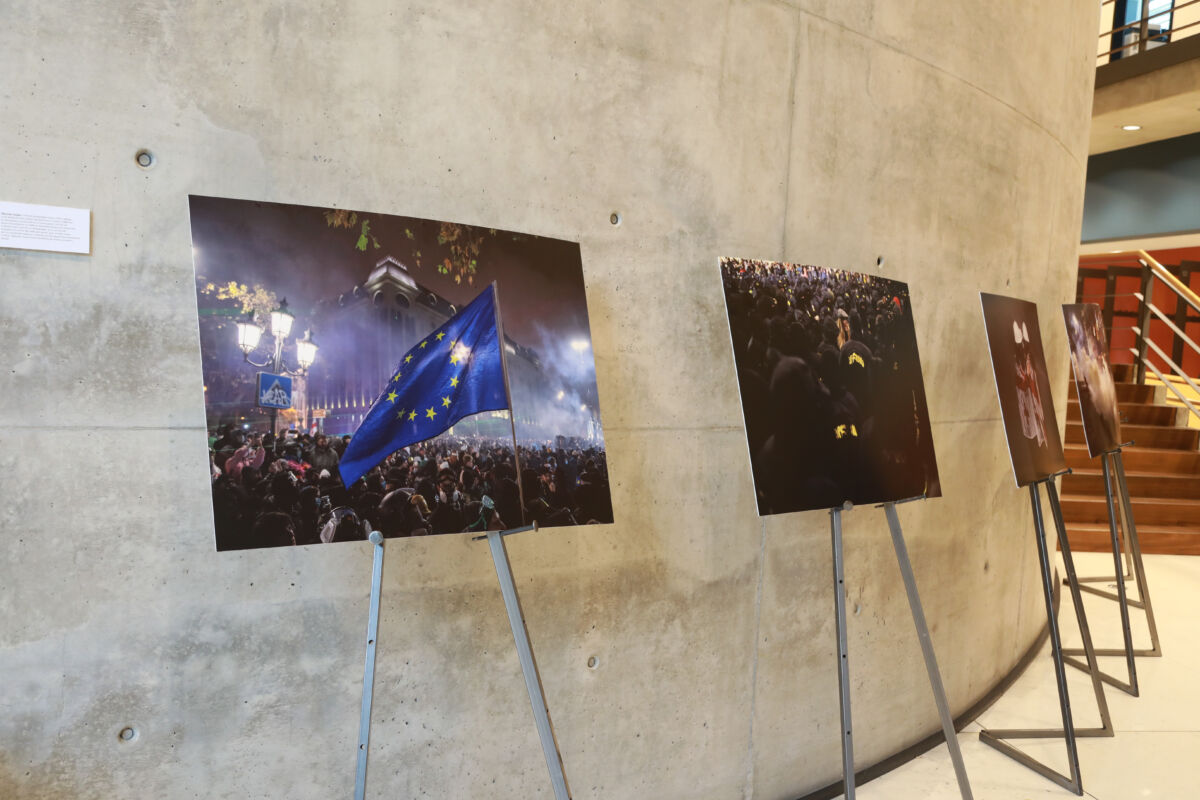
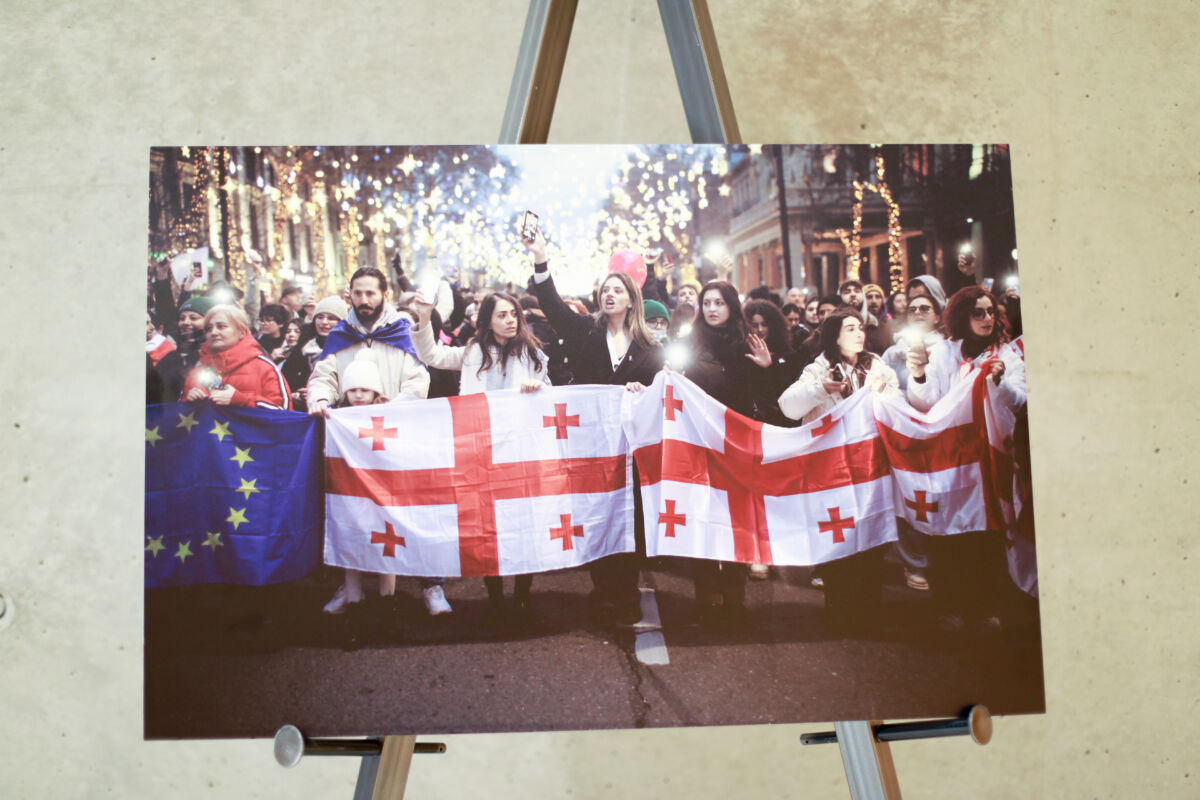
Photographs depicting the struggle for freedom of the people of Georgia and Ukraine were exhibited on the sidelines of the conference. We would like to thank Sébastien Canaud and Juda Khatia Psuturi (Georgia) as well as Sofia Bobok (Ukraine).
A
Hat Ihnen dieser Artikel gefallen? Wenn ja, können Sie die unabhängige redaktionelle Arbeit und den Journalismus von LibMod über ein einfaches Spenden-Tool unterstützen.
Spende via PayPal

Wir sind als gemeinnützige Organisation anerkannt, daher sind Spenden steuerlich absetzbar. Für eine Spendenquittung (erforderlich bei einem Betrag über 200 EUR) senden Sie bitte Ihre Adressdaten an finanzen@libmod.de
Related topics
order Newsletter
Stay tuned with our regular newsletter about all our relevant subjects.