
Europe’s security will be decided in Ukraine – What must be done now
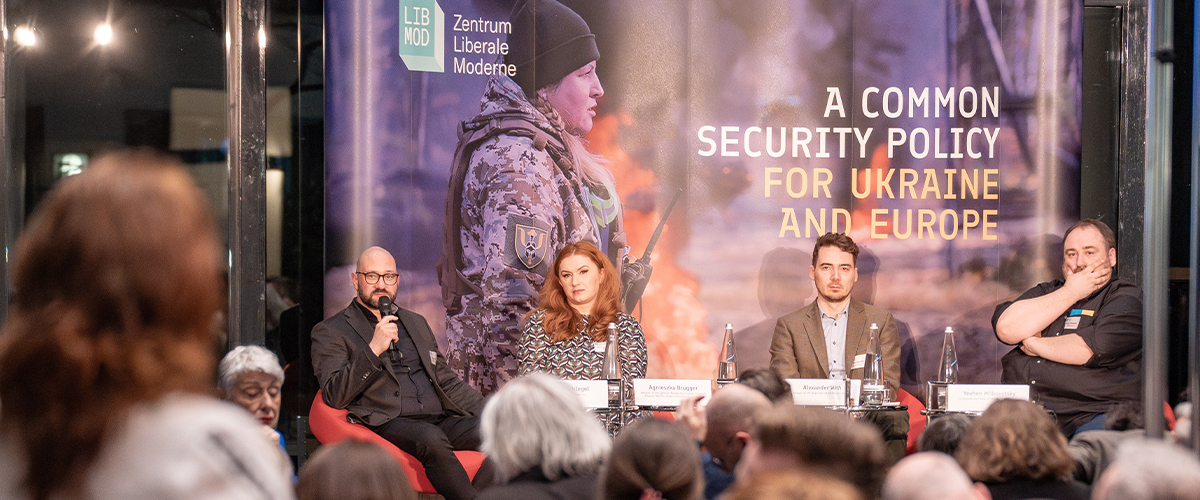
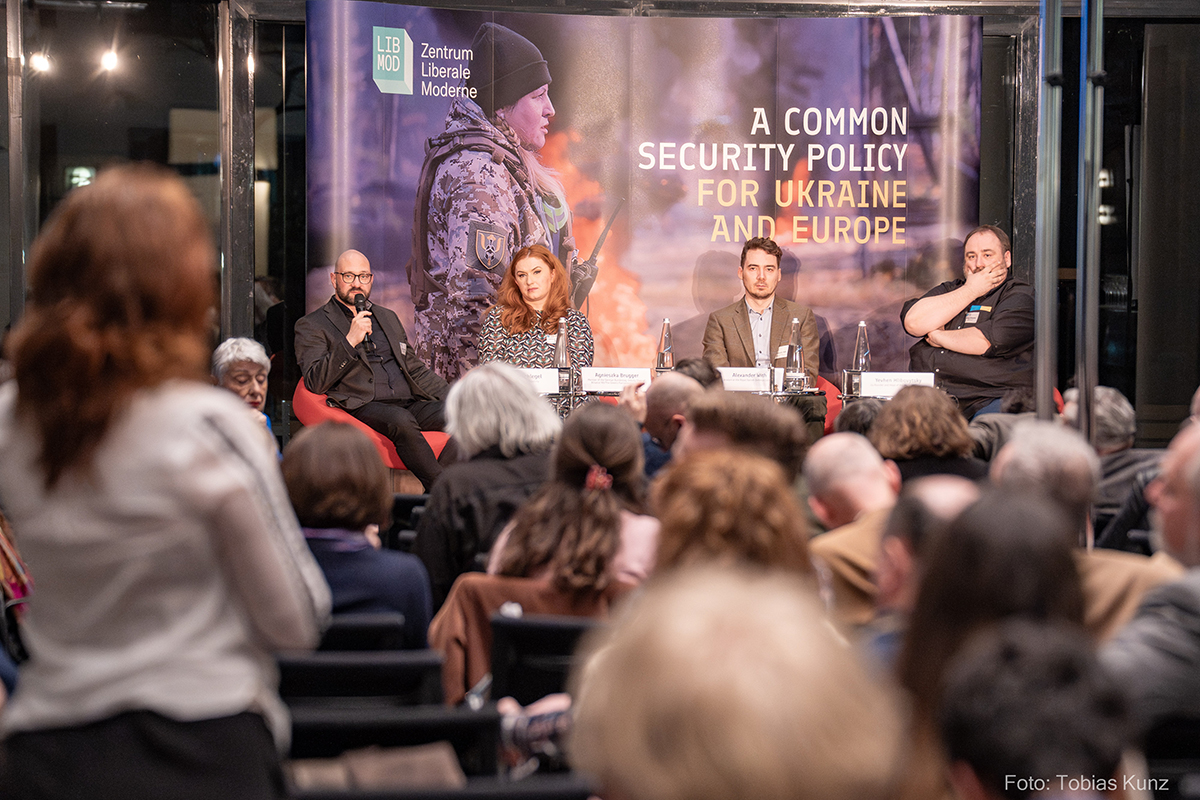
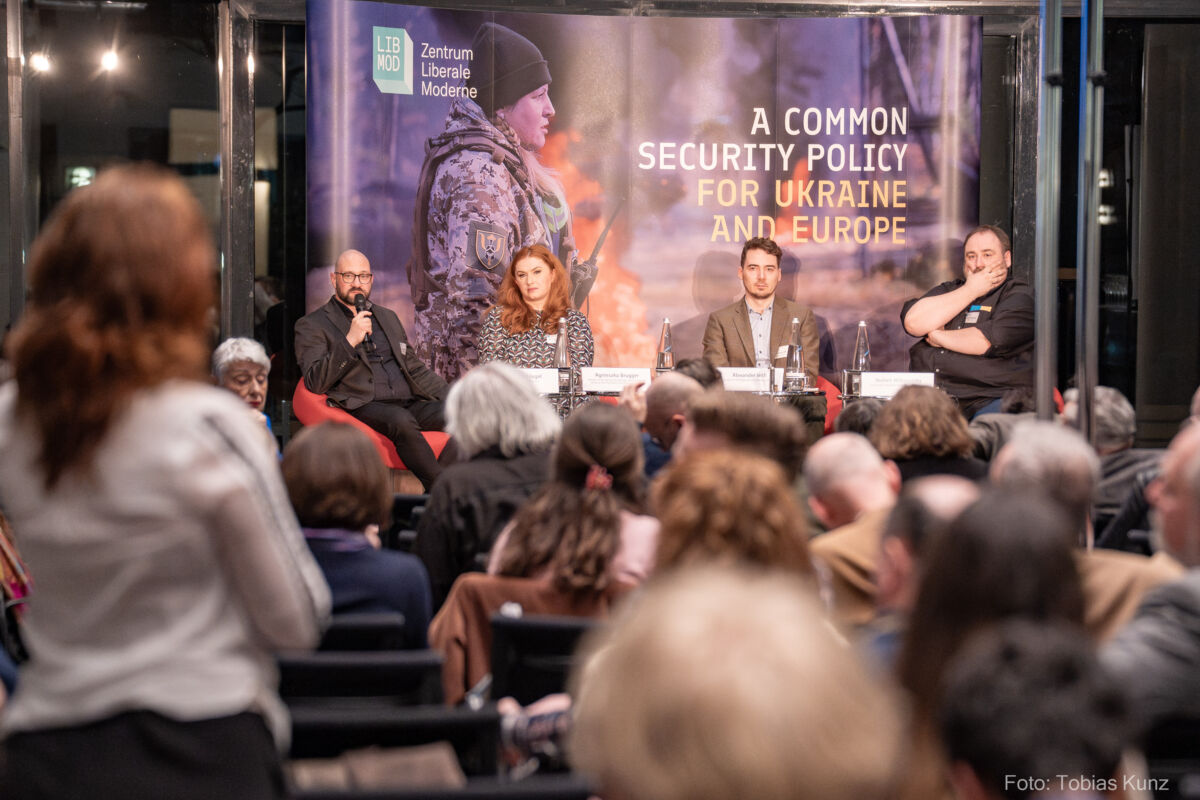
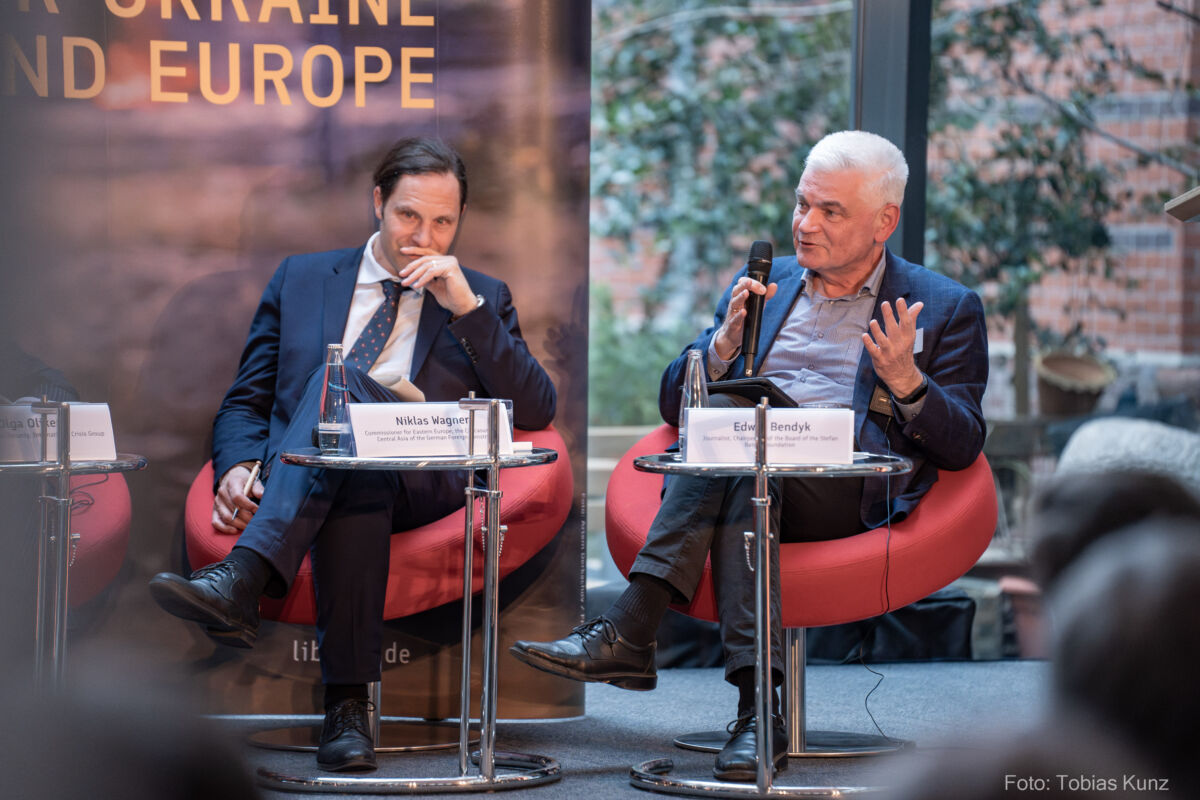
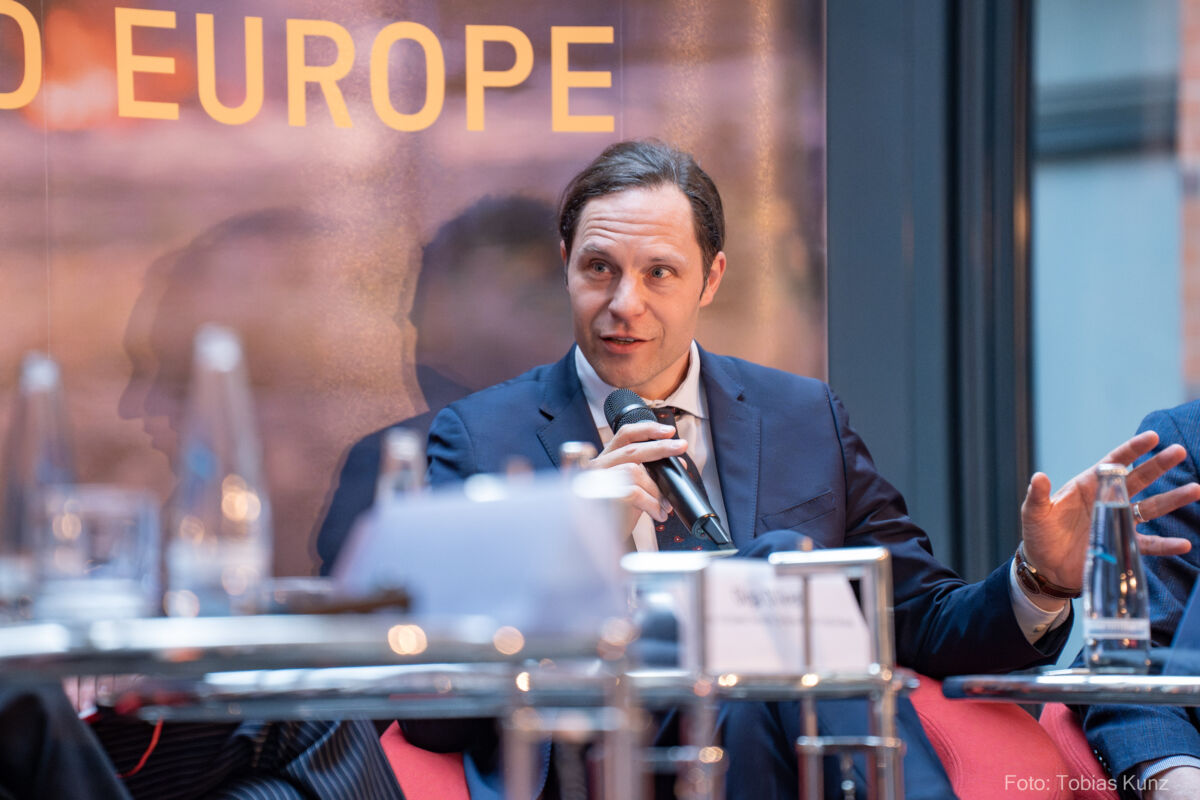
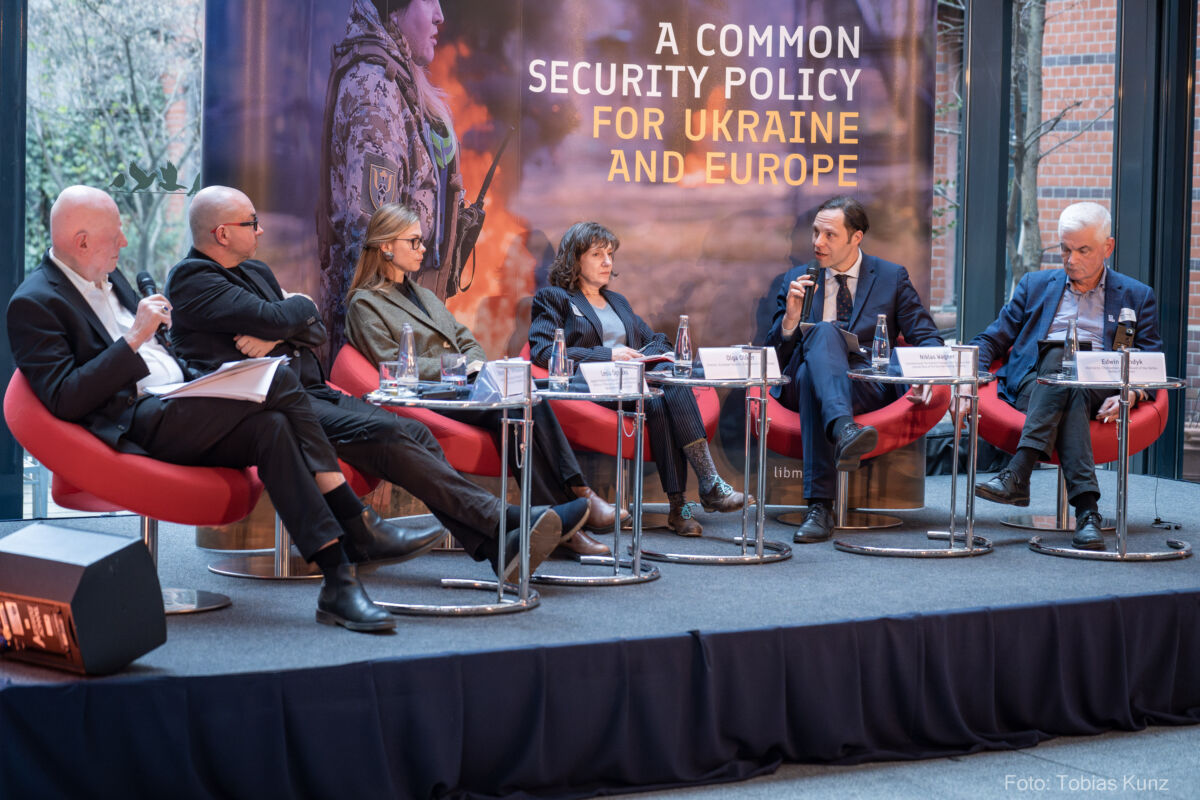
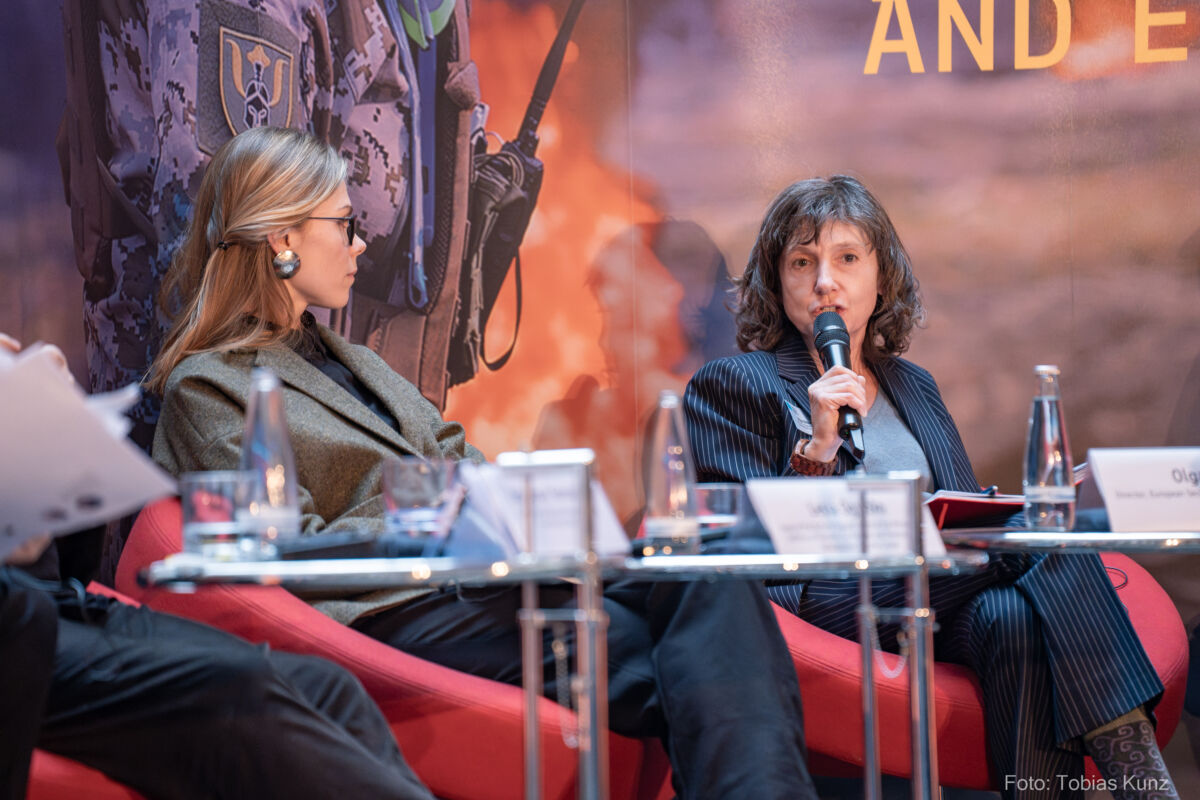
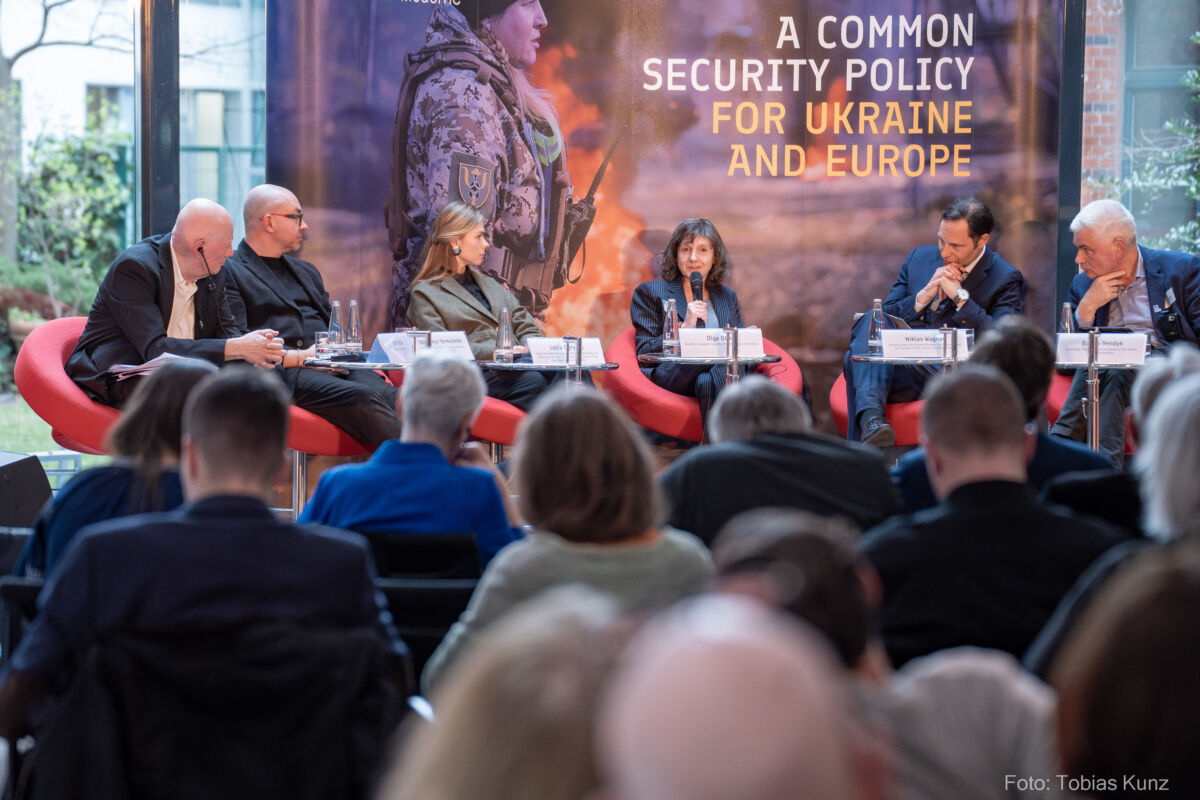
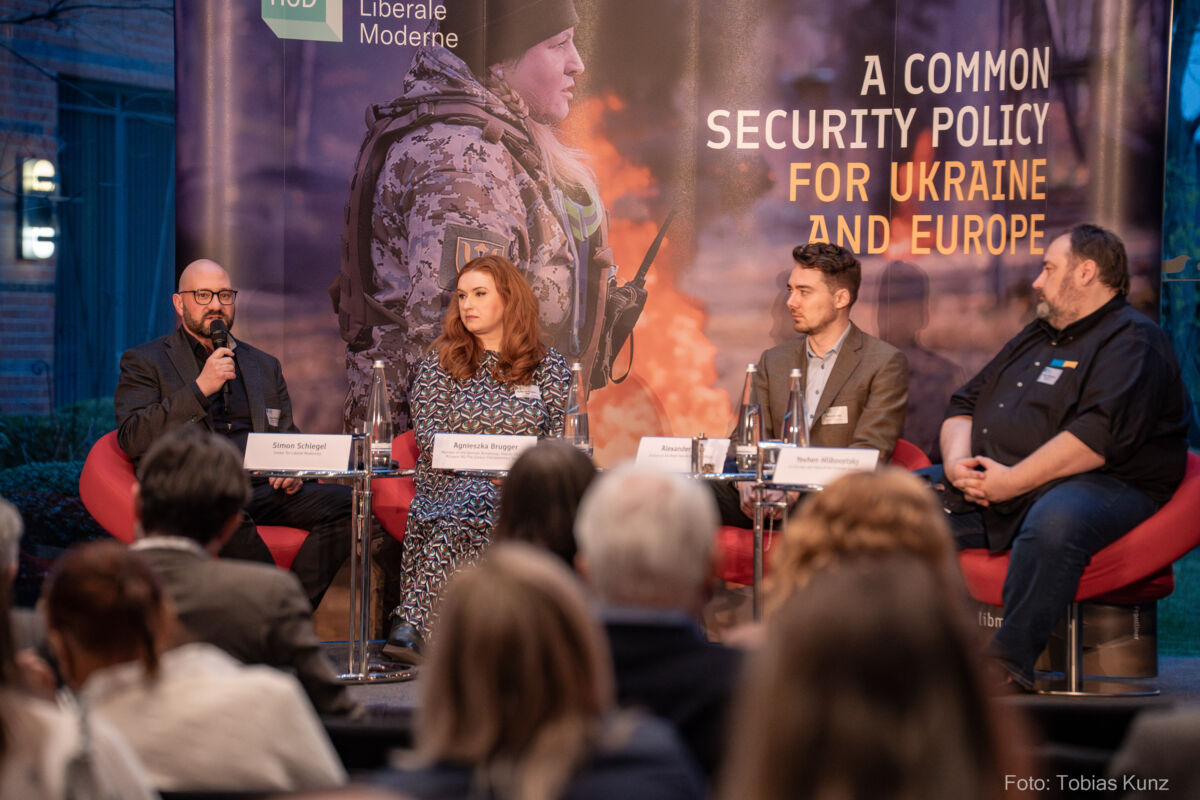
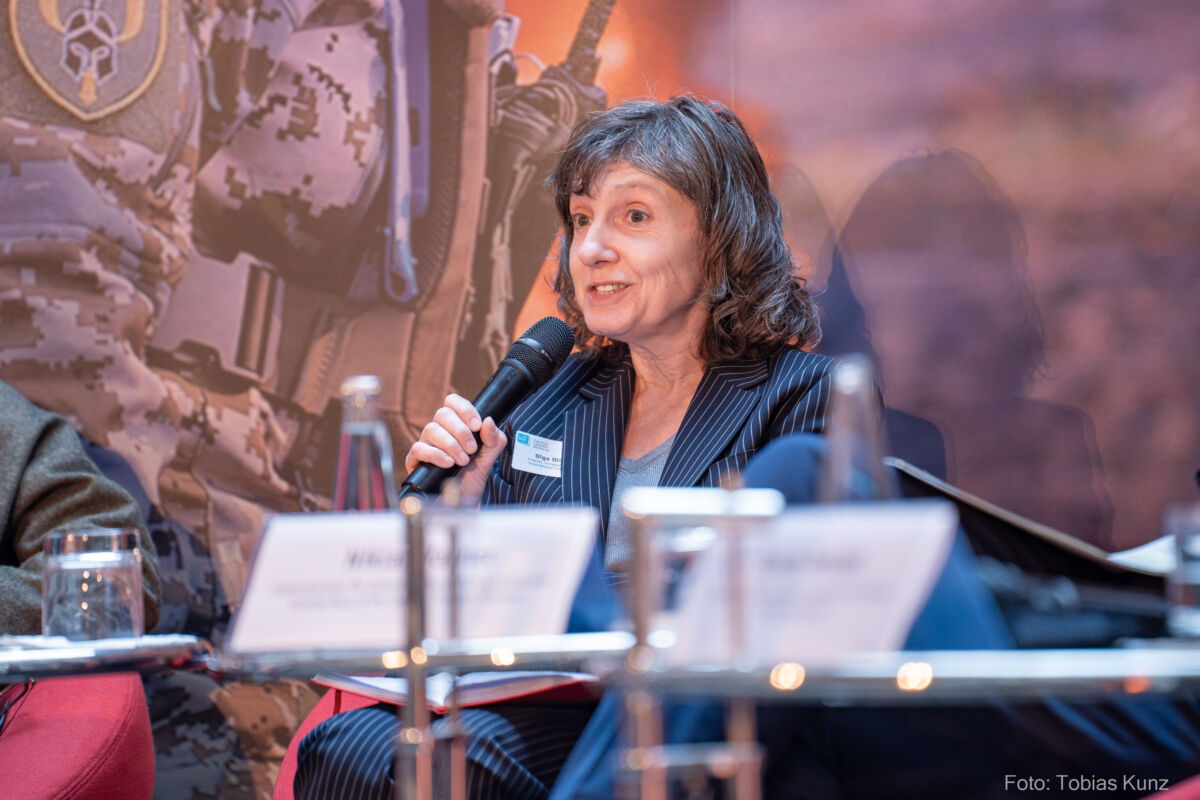
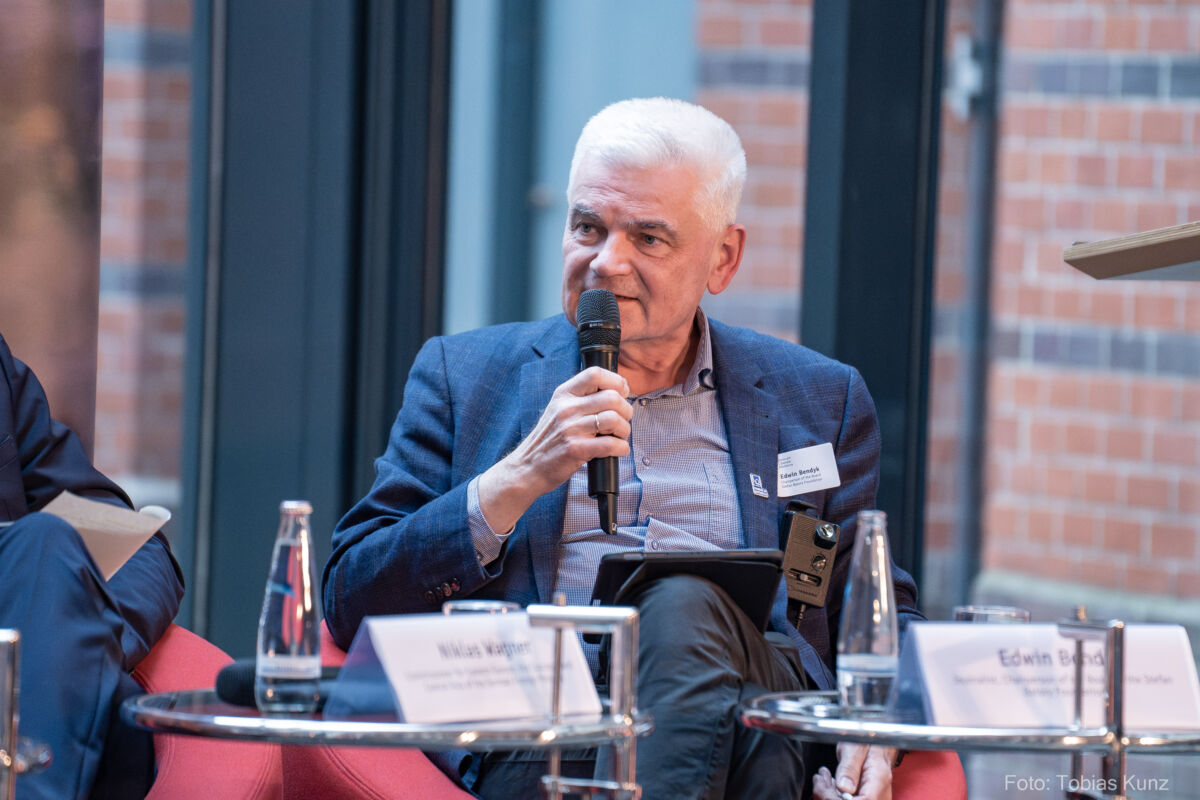
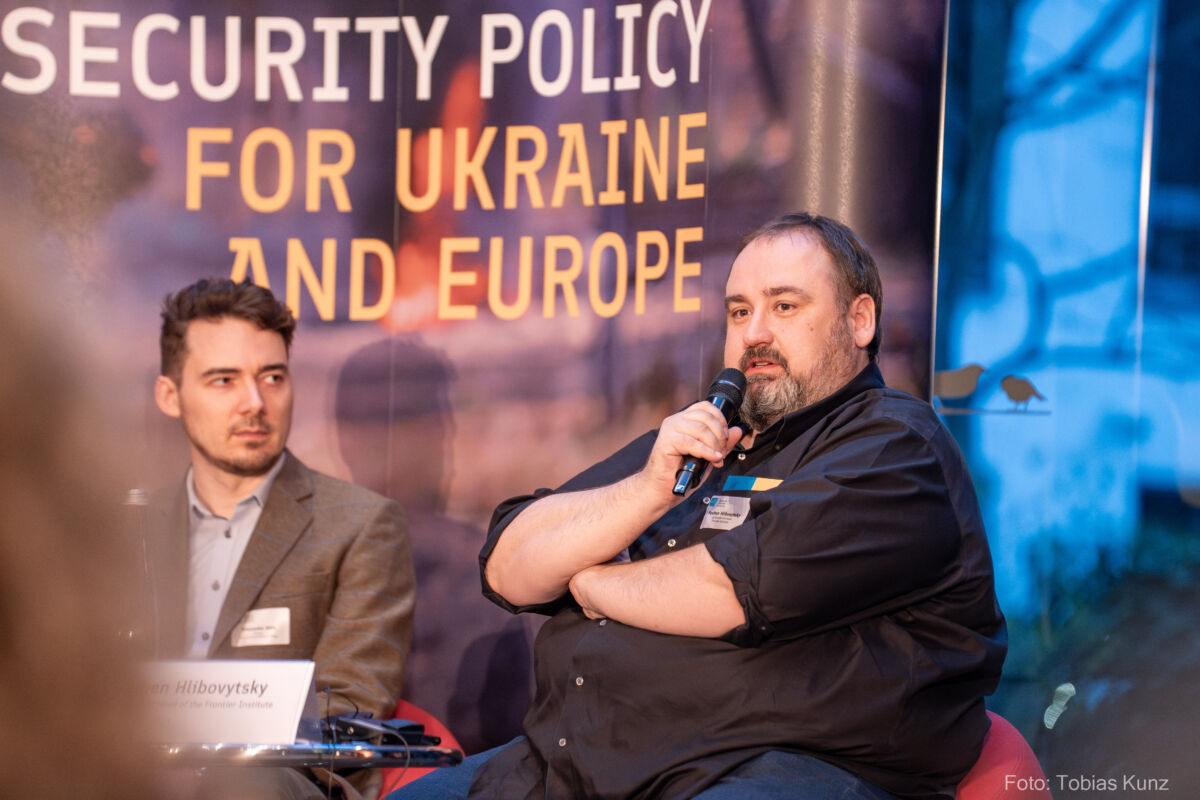
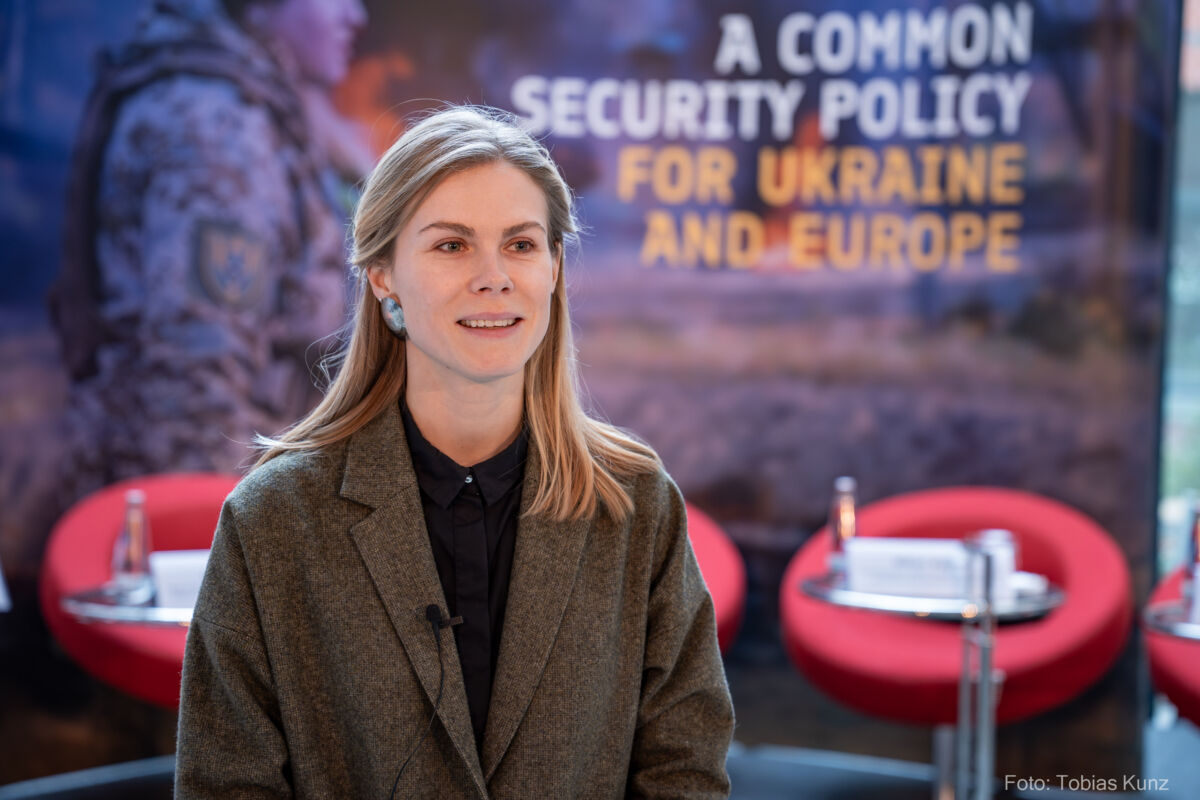
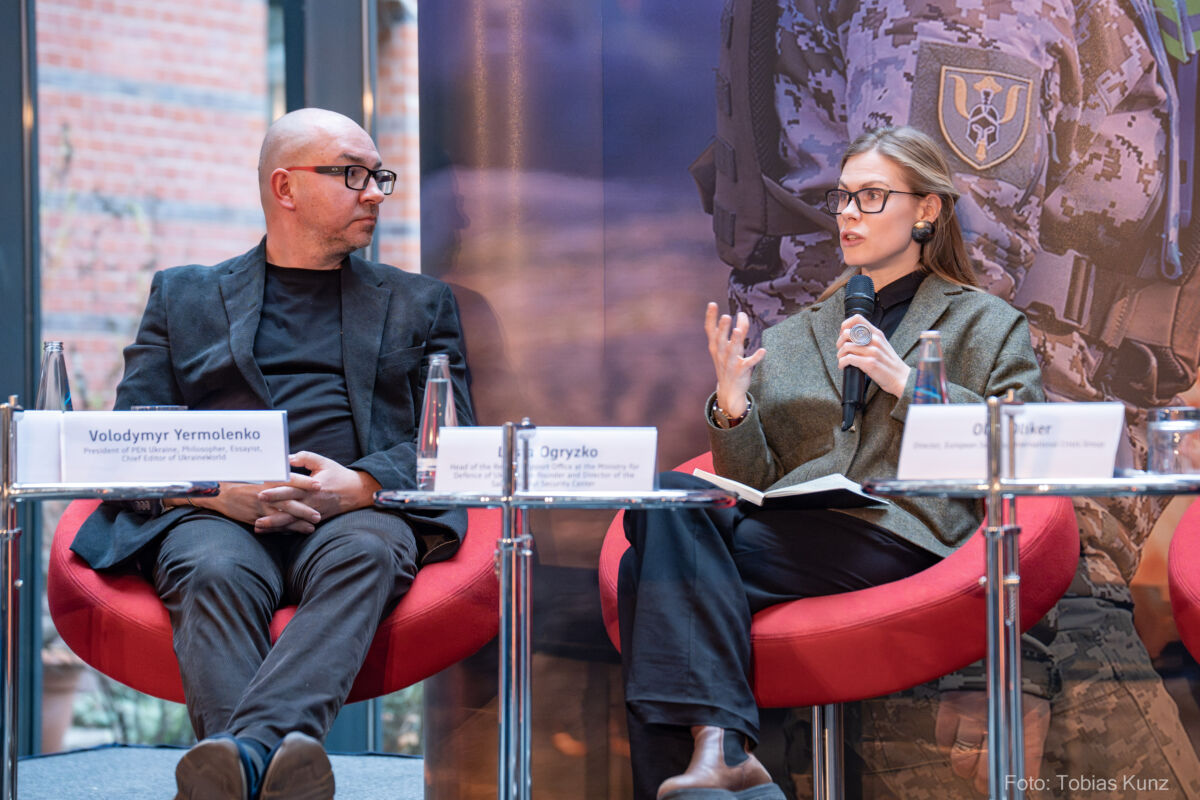
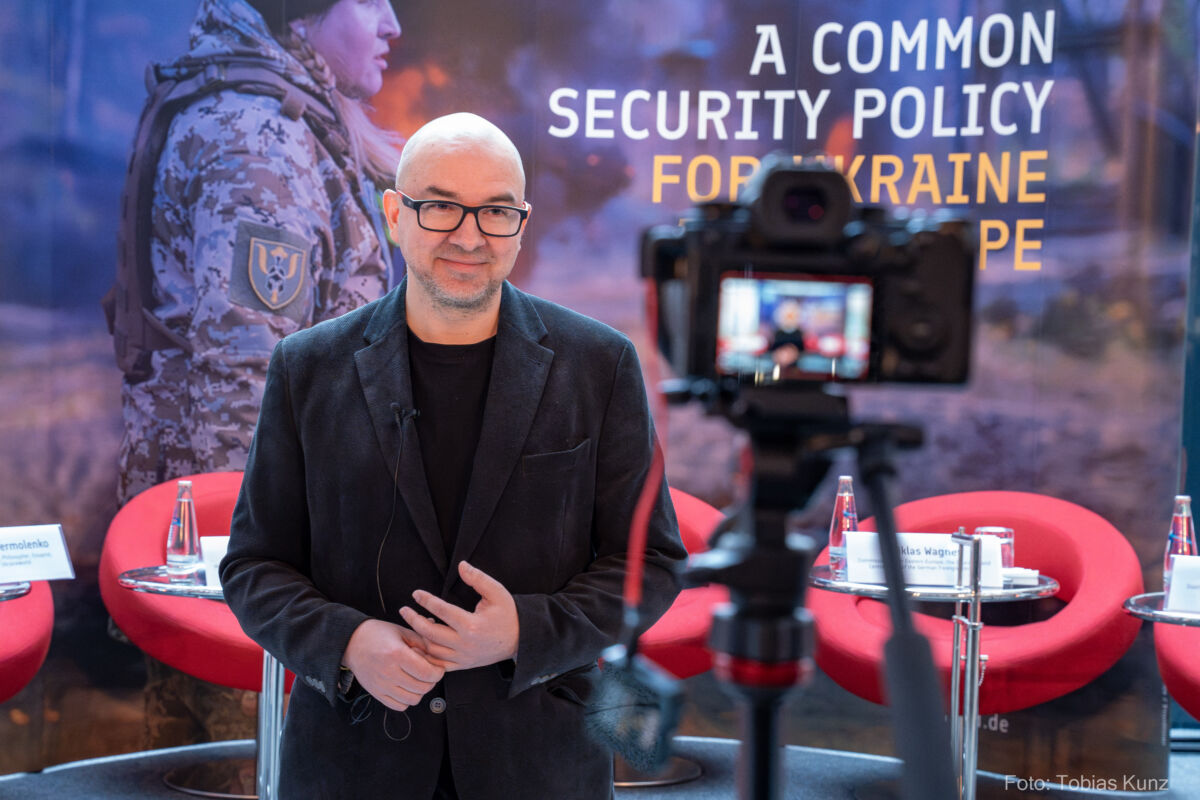
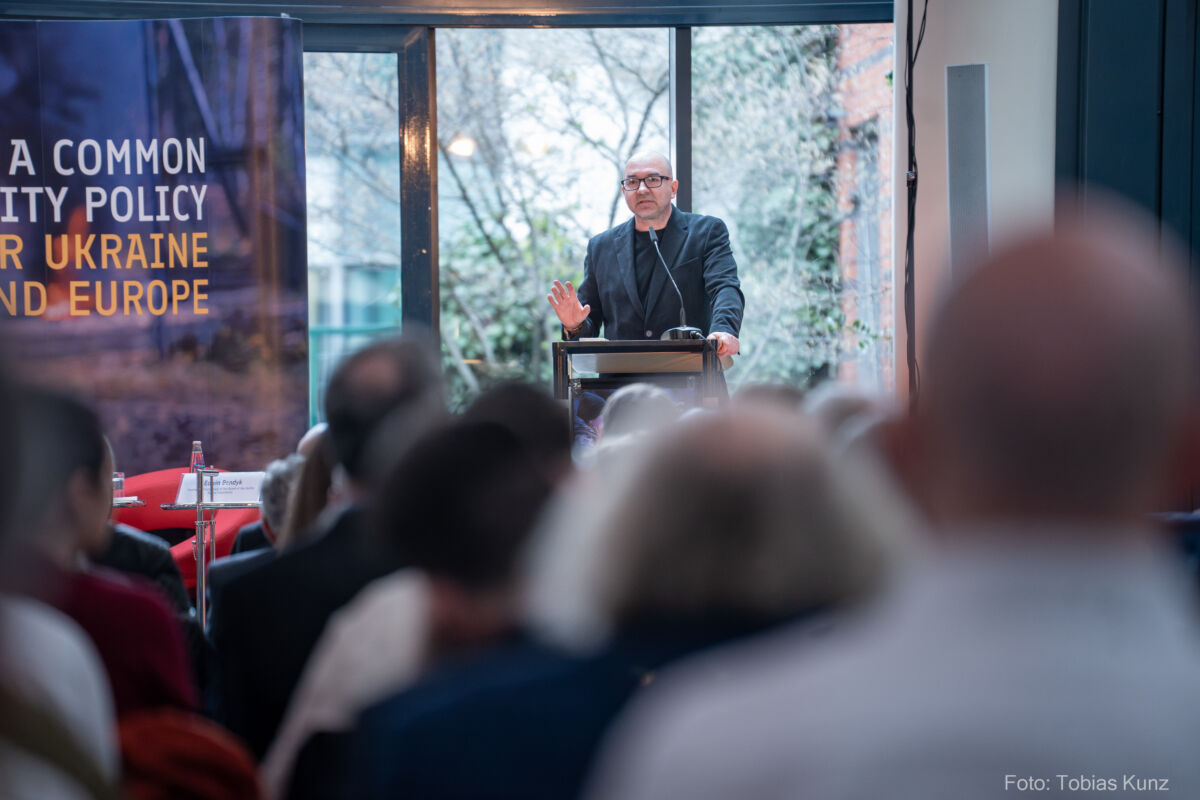
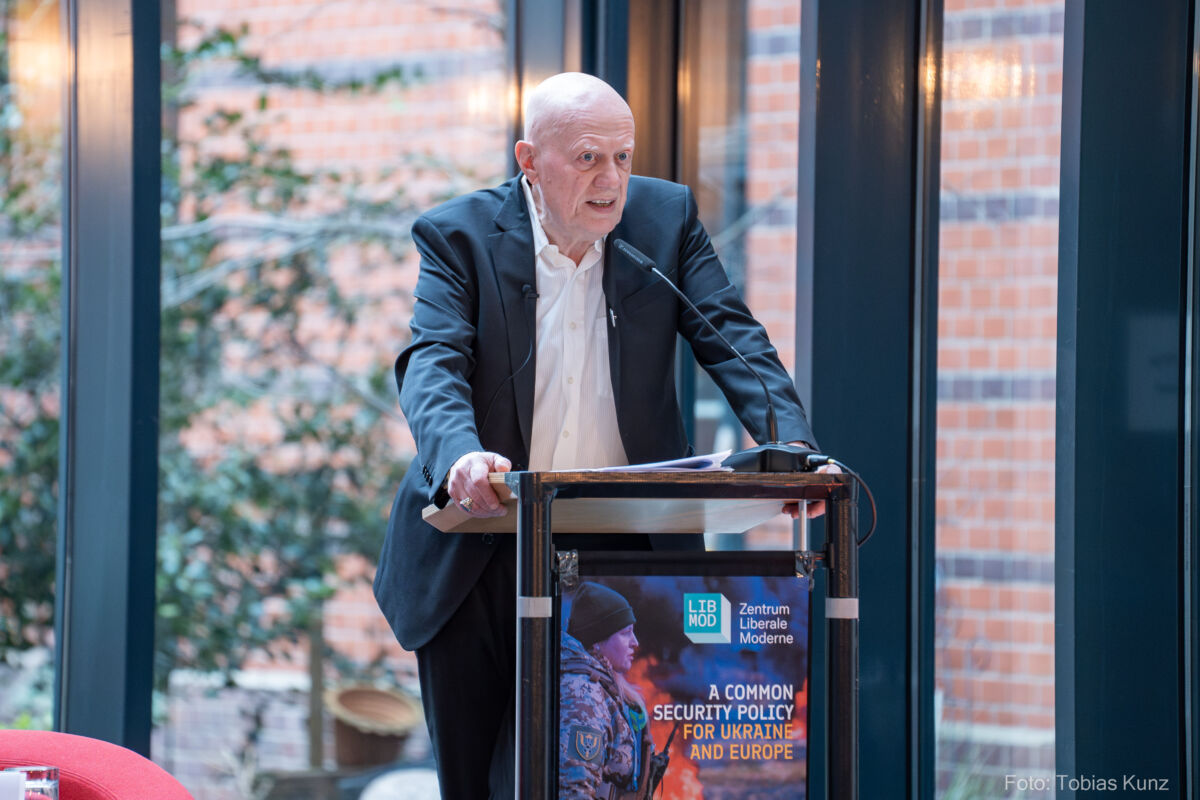
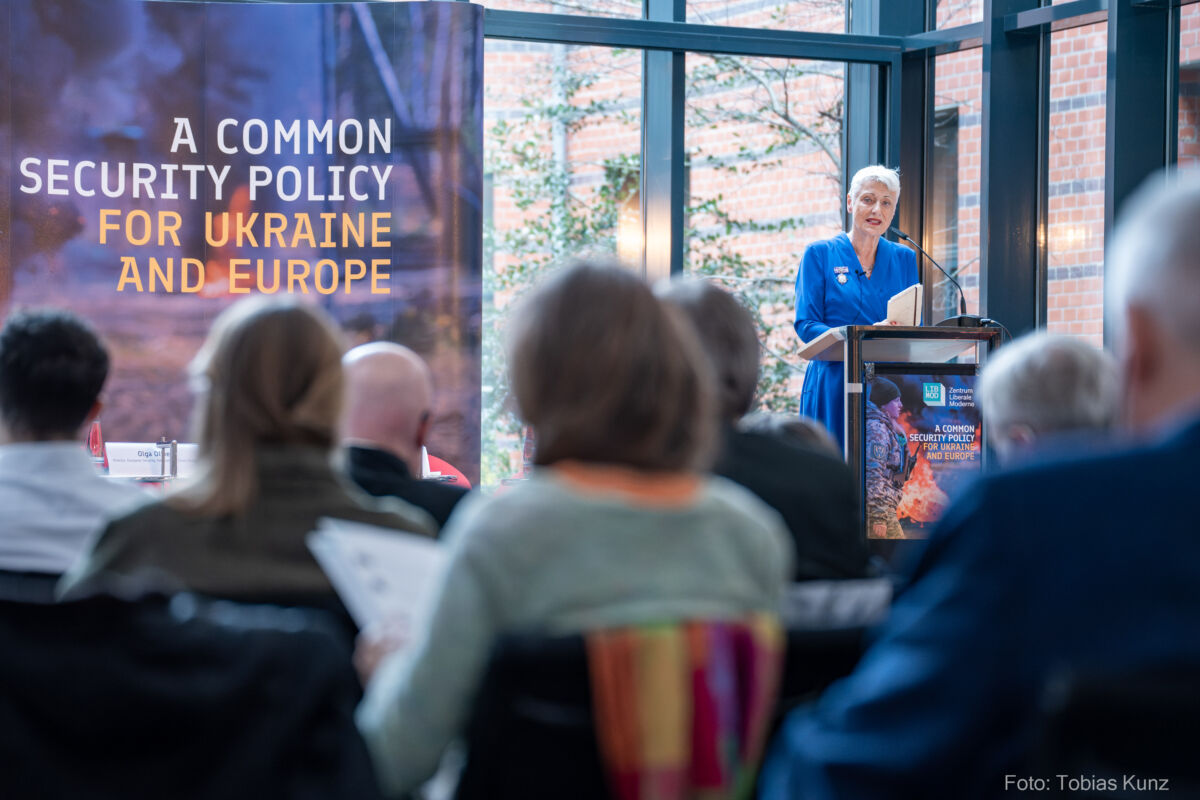
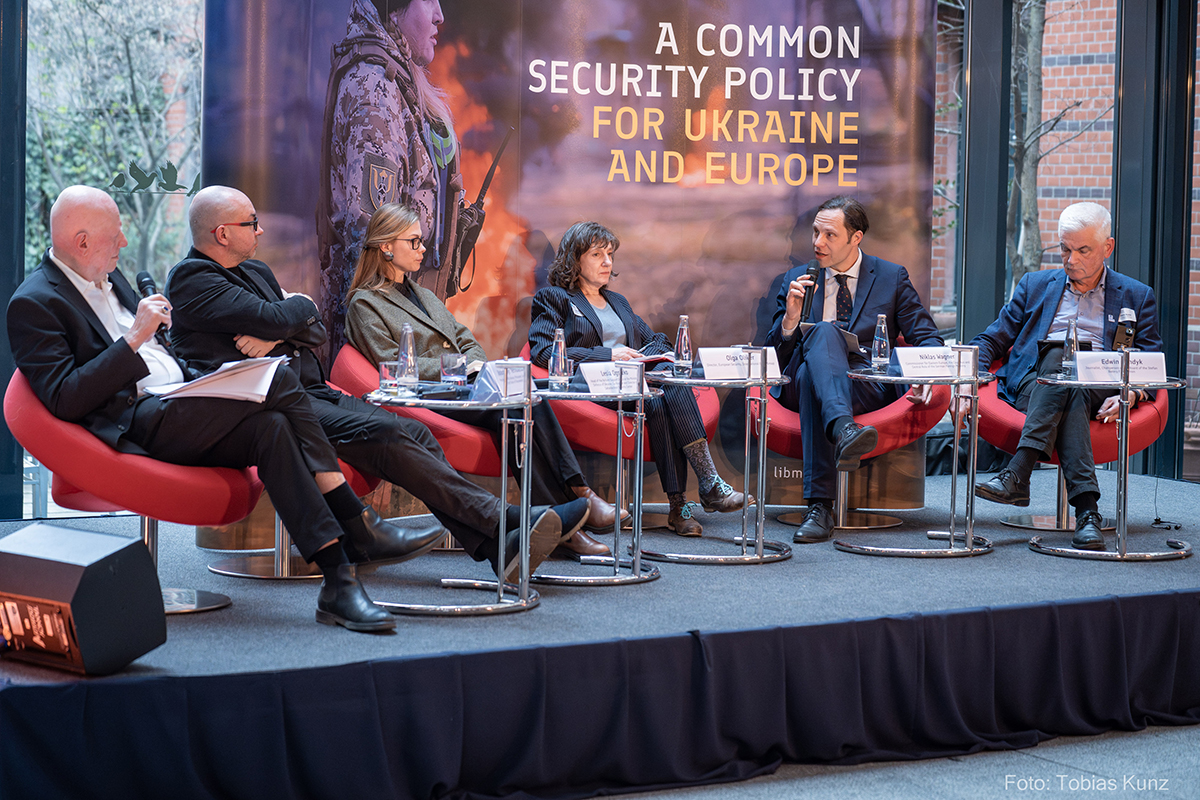
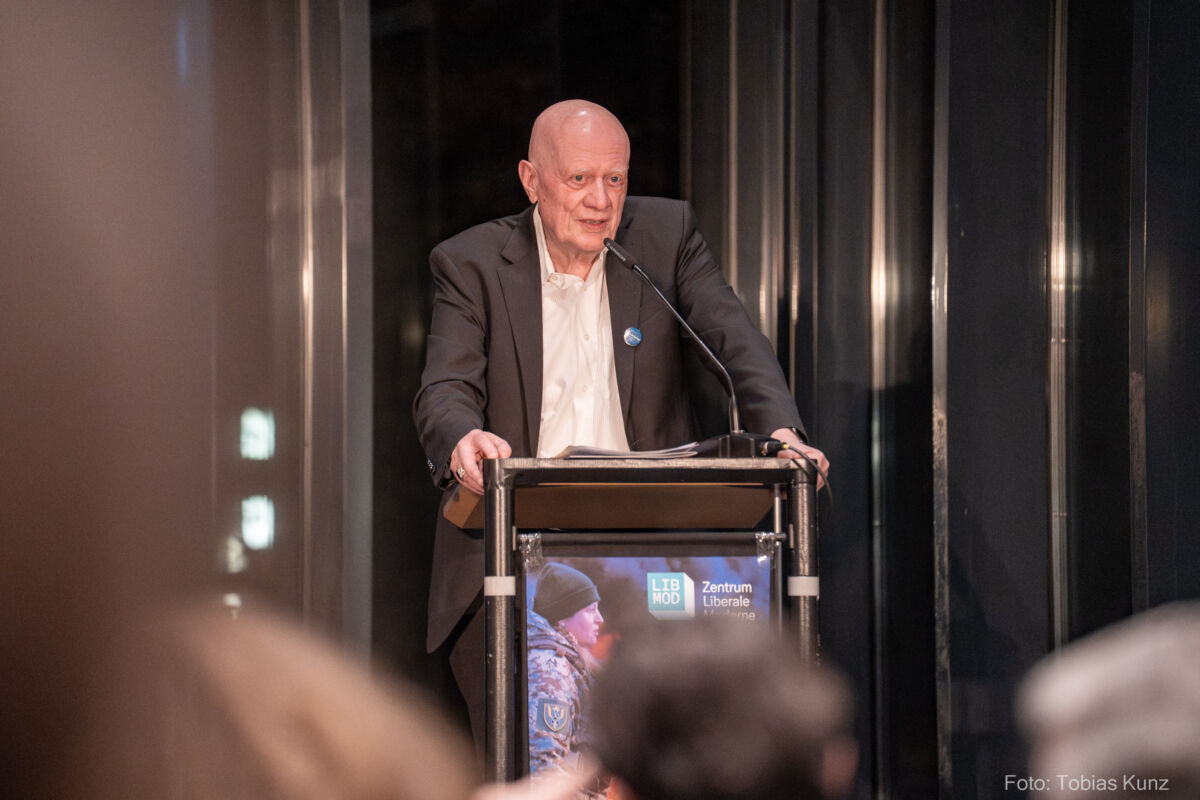
Russia’s war of aggression against Ukraine marks a turning point for Europe—especially since the United States is no longer a reliable partner. Ukraine is acting as a shield, while Europe must choose between mere deterrence and the lasting destruction of Russia’s war-making capabilities. How can a shared and sustainable security order be created? These questions were discussed with numerous experts at our international Ukraine conference on March 24 in Berlin.
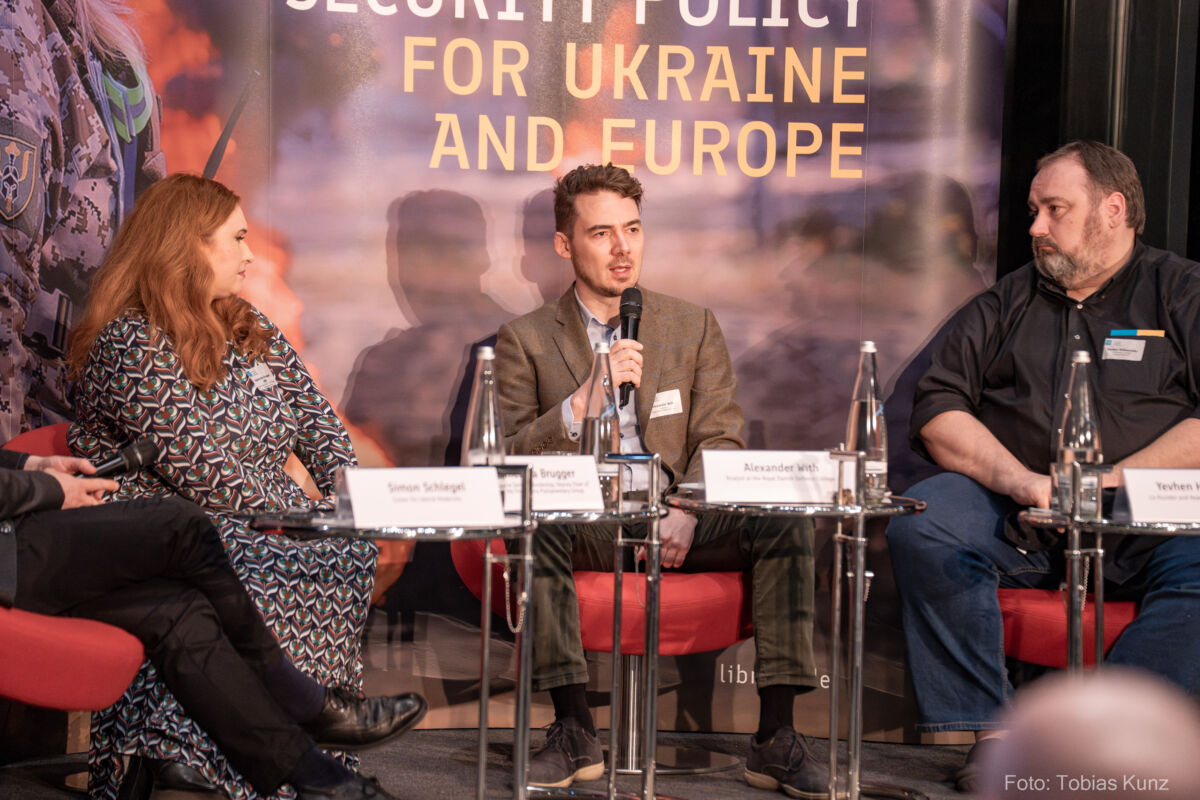
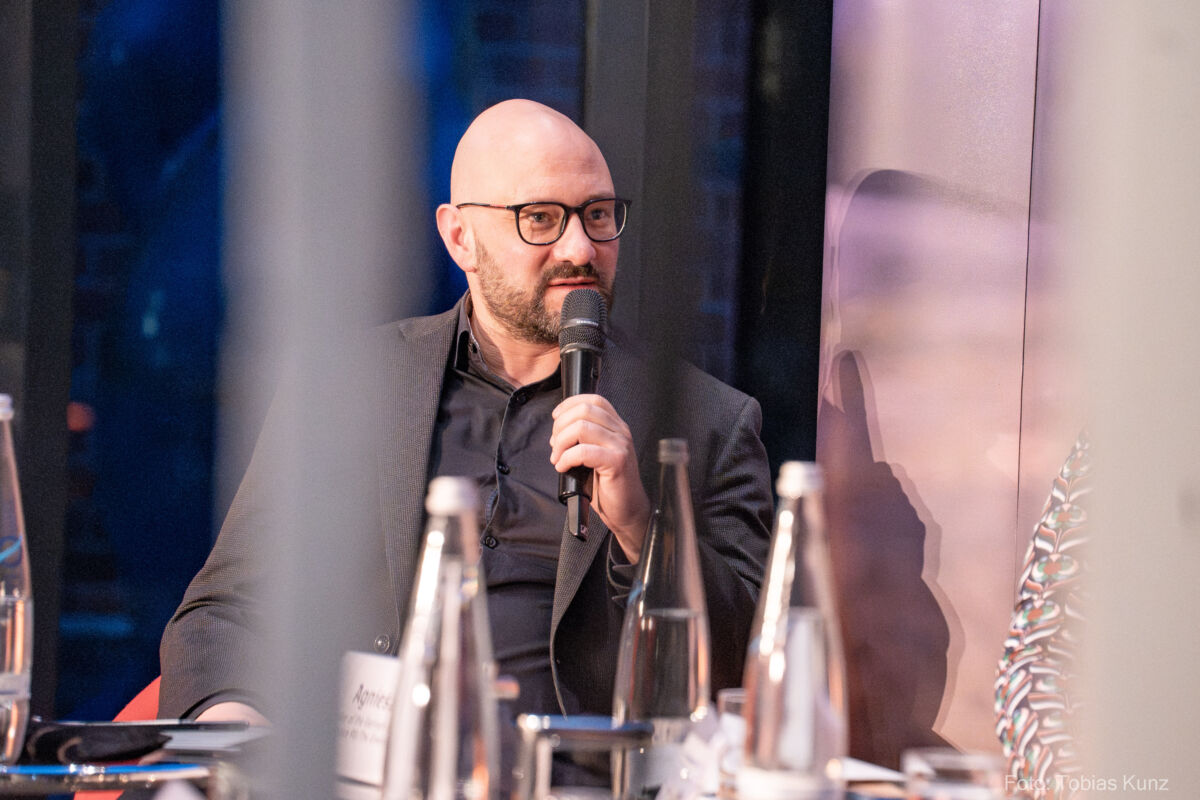
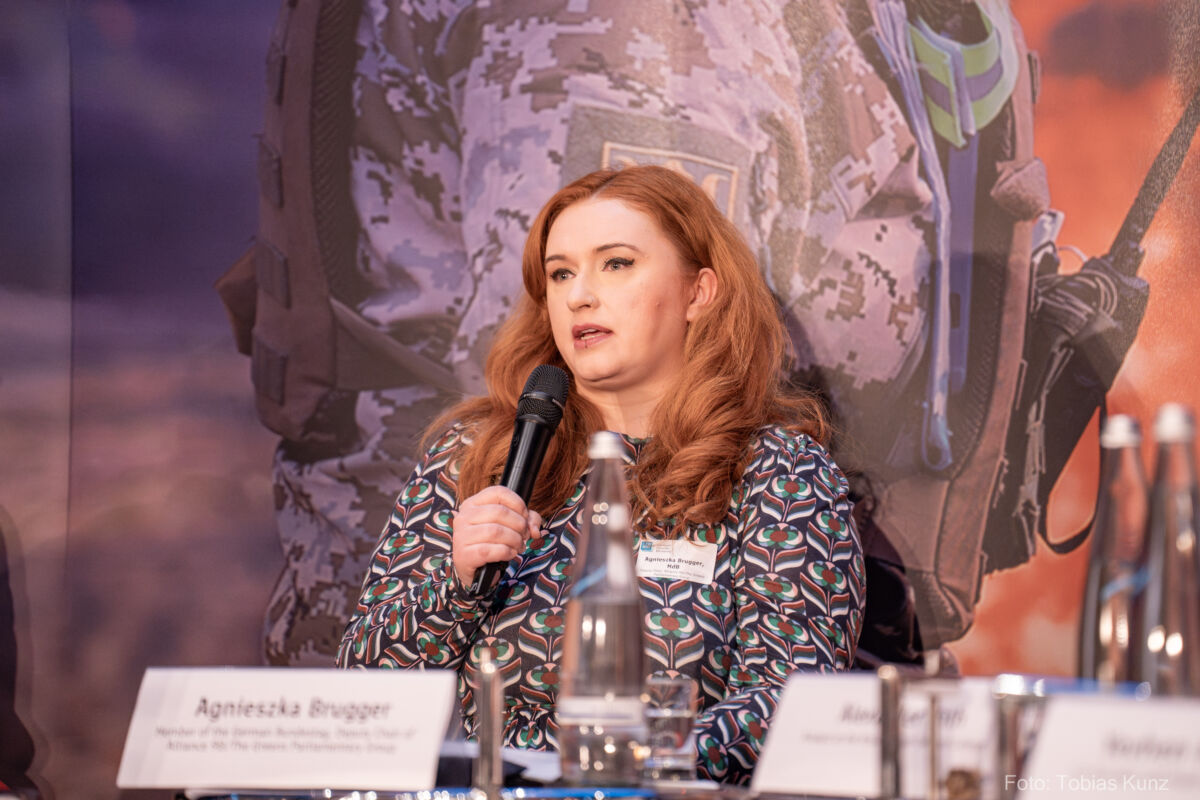
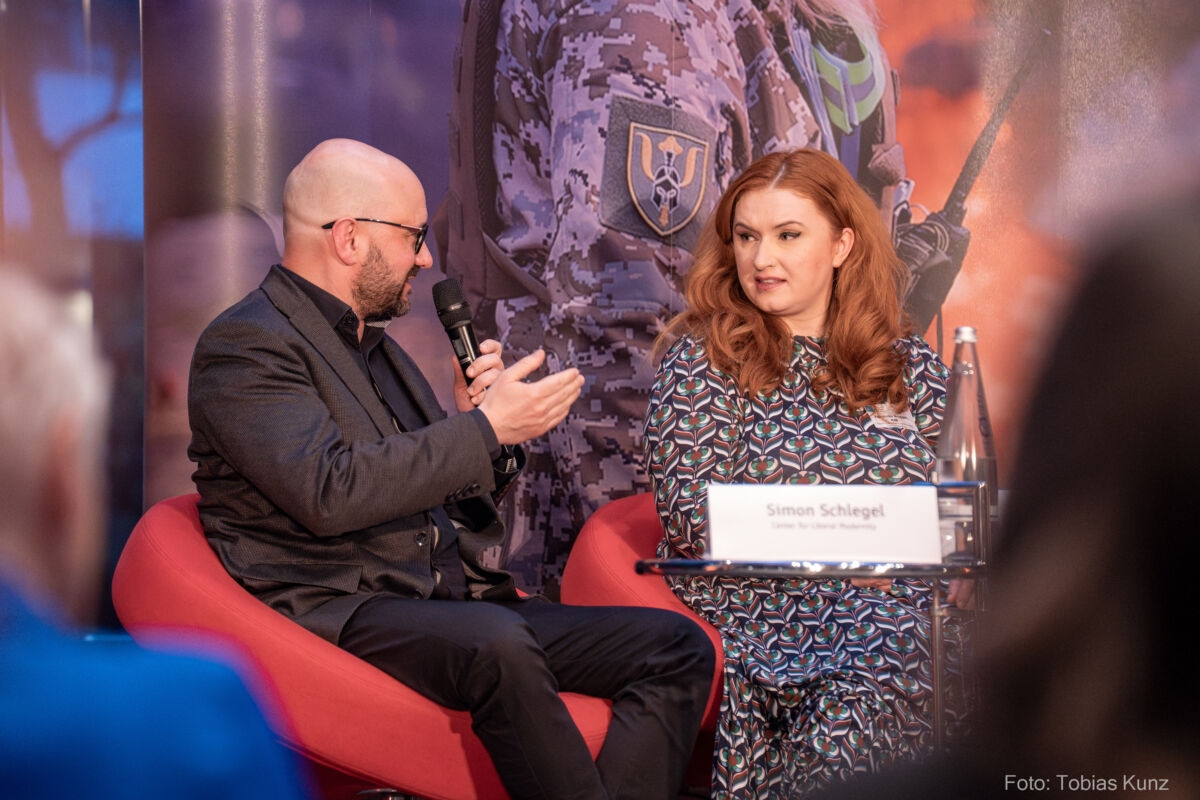
A war critical for Europe’s future
Russia’s war of aggression in Ukraine is a direct challenge to Europe’s security. Russian drones have repeatably breached NATO airspace, demonstrating that the threat is al-ready here. As European countries grapple with this new reality, LibMod’s annual Ukraine conference offered a forum for experts and policymakers to discuss how Eu-rope and Ukraine can jointly develop stronger security policies. The central premise was clear: Ukraine is not just defending itself, it is shielding Europe from Russia.
European policy makers have long depicted support to Ukraine as an act of generosity. Now they gradually begin treating Ukraine as what it really is: a net security provider for the entire continent. By holding the line against Russia’s aggression, Ukraine is prevent-ing Moscow from carrying out its expansionist agenda in other parts of Europe as well. The war’s outcome will shape Europe’s future and determine whether international re-lations will be shaped by raw power politics or by a set of common rules.
Understanding Russia’s imperial ambitions
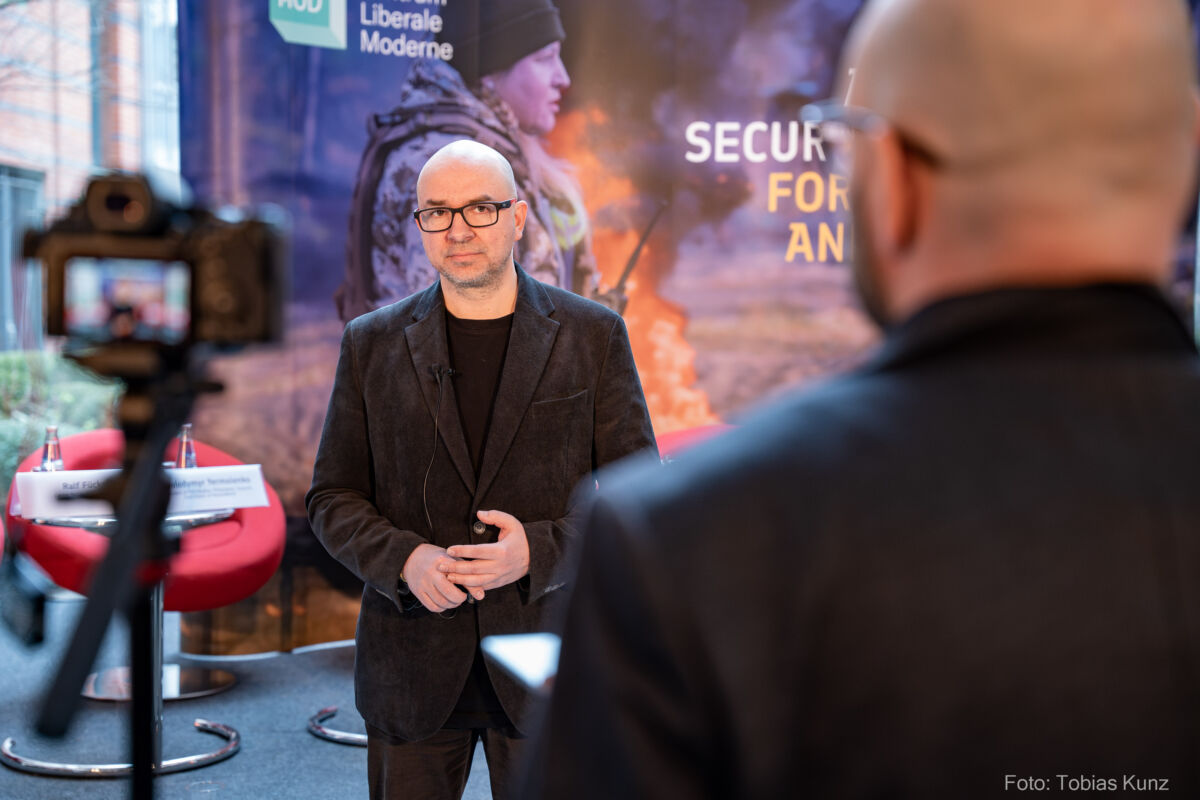
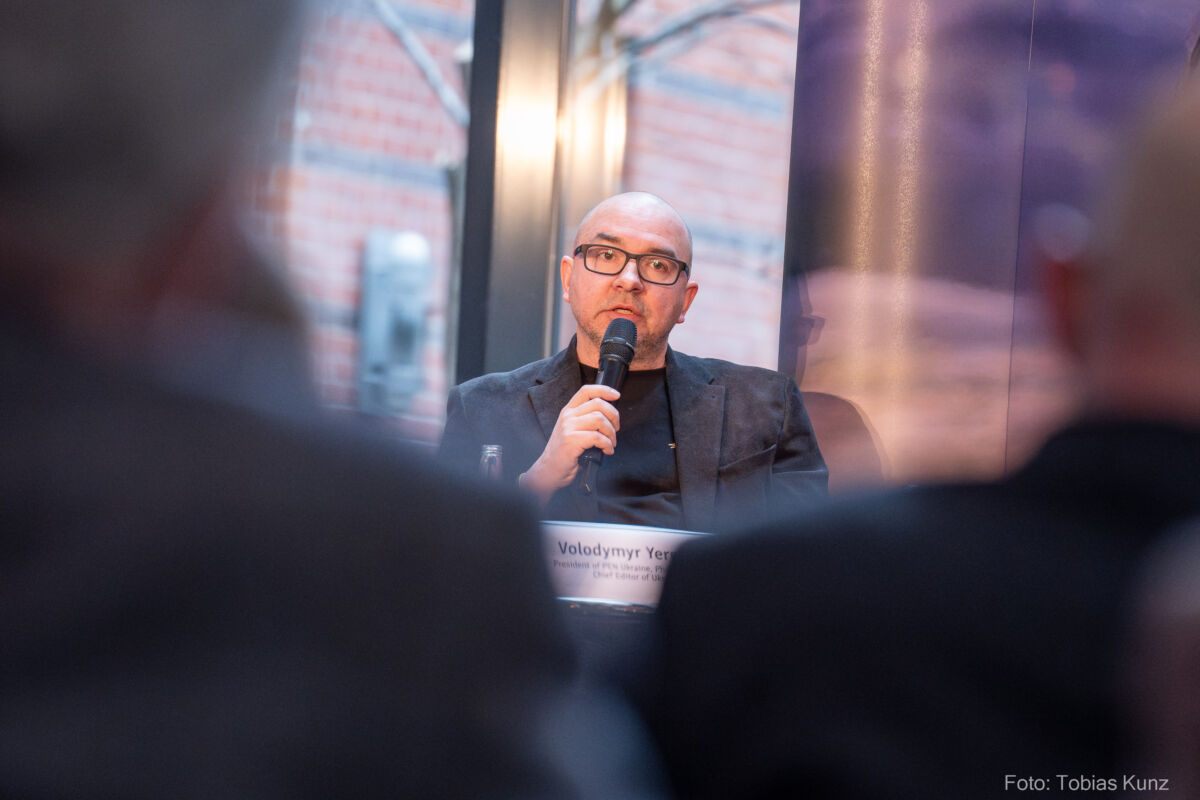
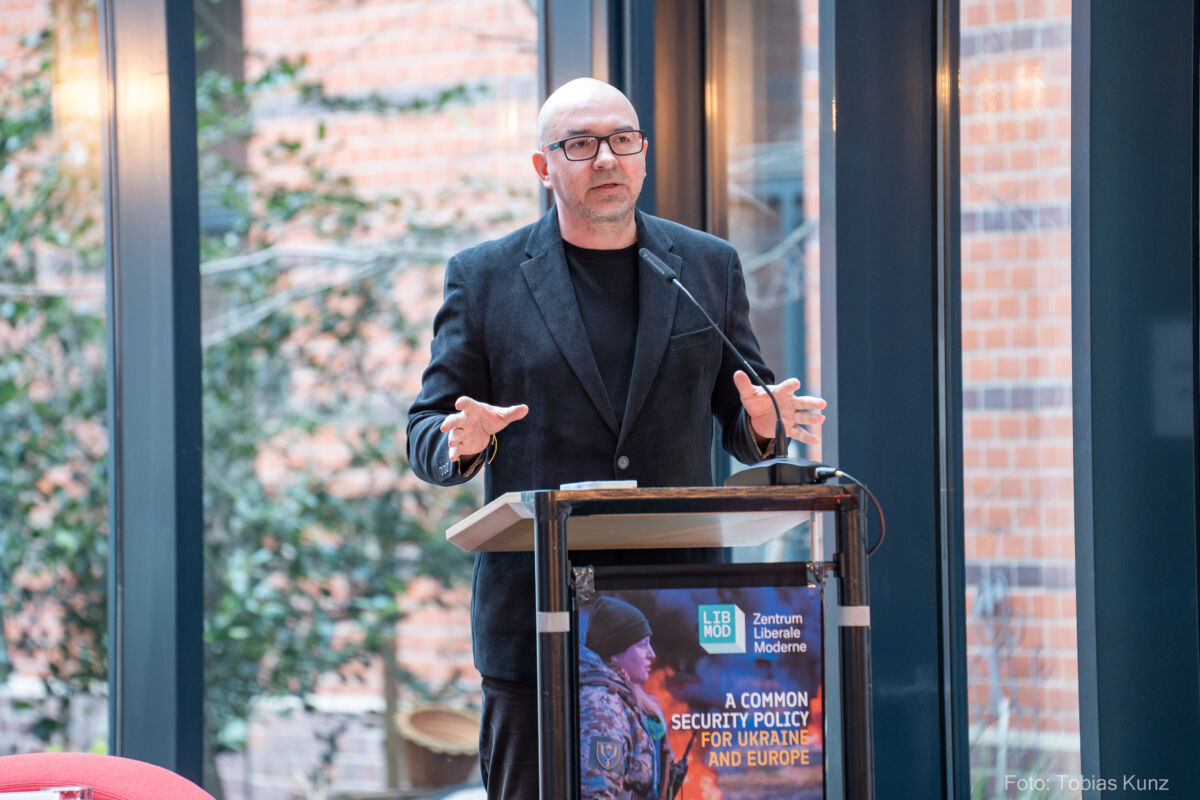
Russia’s war aims are not limited to territorial conquest. The Kremlin’s strategy is rooted in imperial ambition, characterized by the conference’s keynote speaker, Ukrainian phi-losopher Volodymyr Yermolenko, as an “imperialism of assimilation.” It denies Ukraine’s right to exist as a sovereign nation and its citizens the right to a Ukrainian identity. For Ukraine, therefore, this war is existential. For Europe, it is a test of resolve that will reveal whether democracies can defend themselves, or whether they will yield to revisionist aggression.
How far will Europe go to deter Russia?
The speakers discussed two different visions for Europe’s involvement in Ukraine:
- Keeping Russia in check by making the costs of a future Russian aggression pro-hibitively high.
- Denying Moscow the ability to strike again through deep penetration of Russian territory by special operations, deep strikes and cognitive warfare that would prevent Russia from amassing the forces for a fresh aggression against Ukraine or any other European country.
Keeping Russia merely in check may offer short-term stability for other European coun-tries, but would inflict unbearably high costs, first and foremost on Ukraine, which would be forced into a perpetual state of siege – a “porcupine” armed to the teeth and being forced to constantly concentrate all its resources on defence. The more ambi-tious but ultimately more sustainable goal would be to undermine Russia’s ability to wage war in order to ensure lasting security for Europe and Ukraine alike.
Dismantling Russia’s war machine
To achieve this, Ukraine and its European backers need to work towards key capabilities:
- Technological superiority: Develop deep-strike capabilities, such as drones with several thousand kilometres of range, to target Russian logistics and command centres.
- Asymmetric operations: Scale special operations and cognitive warfare to de-grade Russia’s military-industrial complex and cripple fuel and explosives production. Kinetic sanctions are the most effective.
- Industrial mobilization: Europe must become the arsenal of Ukraine’s defence, supplying weapons and other capabilities to hold off and possibly defeat Russia on the battlefield. Germany, in particular, should lead at home and by forming coalitions of the willing and the able with other states, bypassing bureaucratic delays to act decisively.
Funding and scaling up defence innovations and building industrial capacities
Financial and industrial support is the backbone of Ukraine’s defence. Ukraine, lacking personnel, has proven its ability to innovate: unmanned systems, electronic warfare, and rapid adaptation have become hallmarks of its resistance. Europe must match this with its own investment in next-generation technologies and use its industrial base to scale up Ukrainian made defence innovations for the frontline.
- Joint ventures can be a way to integrating Ukraine’s industrial capacity into Europe’s defence ecosystem.
- Speed is critical. Delays in decision-making and procurement cost lives. Europe should develop faster supply lines and procurement channels and share more of the investment risks.
Communicating the stakes to society
As Member of the German Bundestag, Agnieszka Brugger, said during the conference’s second panel: “Not standing up to aggression, but not even naming the aggressor, is an invitation for more attacks.” Public support hinges on transparency. Scandinavian and Baltic models, rooted in honesty about threats and realistic assessments of risks, can be an example, if not a blueprint. In our communication we must confront fears with honesty and realism, guided by the principle: “To be alert in order not to be anxious.” In the end electorates prefer hearing the true extent of threats over being kept in the dark for their peace of mind.
The cost of inaction
Russia’s ambitions extend far beyond subjugating Ukraine. Failure to act decisively now risks emboldening further aggression, further eroding the rules-based order, and frac-turing European unity.
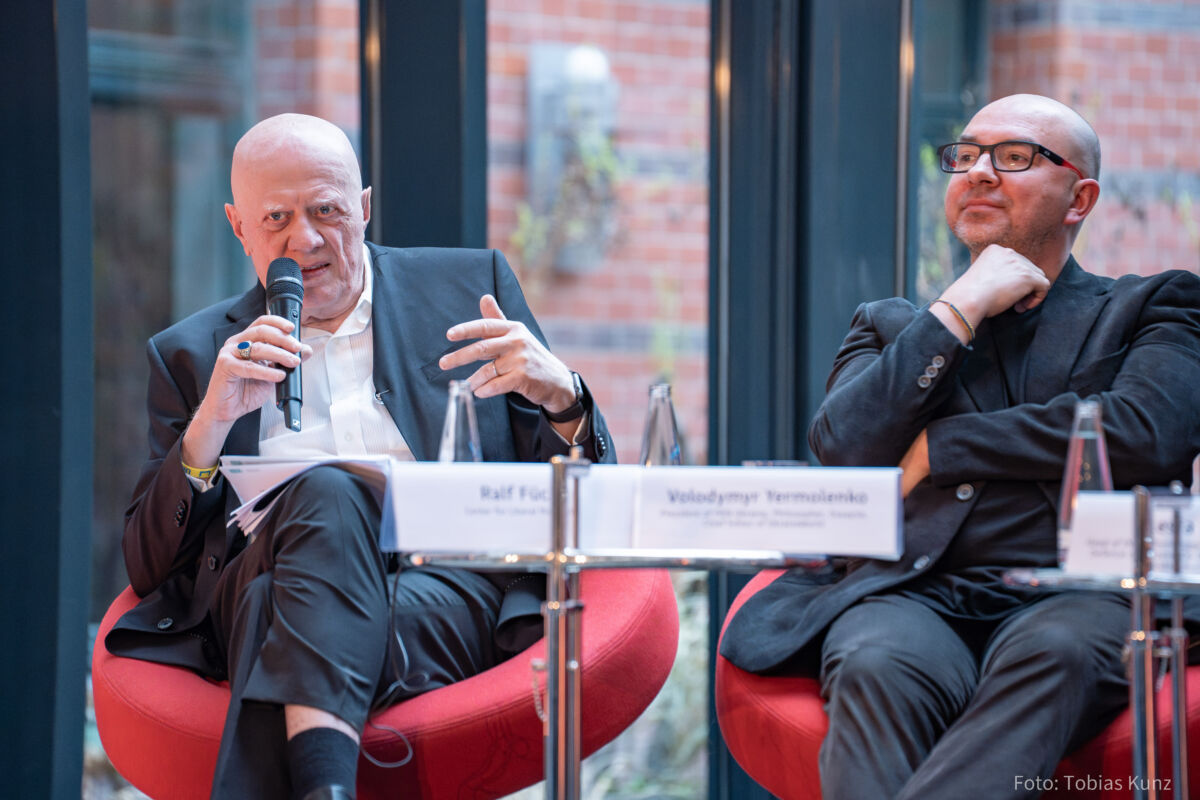
As Ralf Fücks, the director of LibMod, stated: We must redefine realism – not as the mere preservation of the status quo, but as the courage to recognize that appeasement will not make Russia’s threat disappear. The realistic approach today means accepting that Russia must be defeated. This is also the prerequisite for political change in Rus-sia: it can only get rid of its imperial agenda if it fails in Ukraine. We must take bolder action: secure political majorities, set clear objectives alongside Ukraine, and stop looking for quick fixes at the cost of Ukraine’s sovereignty and Eu-rope’s security.
In the words of Ukrainian philosopher Volodymyr Yermolenko – “Democracies must be capable of fighting back. The forces of good need not – and should not – be powerless.”

t
Hat Ihnen unser Beitrag gefallen? Dann spenden Sie doch einfach und bequem über unser Spendentool. Sie unterstützen damit die publizistische Arbeit von LibMod.
Spenden mit Bankeinzug
Spenden mit PayPal
Wir sind als gemeinnützig anerkannt, entsprechend sind Spenden steuerlich absetzbar. Für eine Spendenbescheinigung (nötig bei einem Betrag über 200 EUR), senden Sie Ihre Adressdaten bitte an finanzen@libmod.de
Verwandte Themen
Newsletter bestellen
Mit dem LibMod-Newsletter erhalten Sie regelmäßig Neuigkeiten zu unseren Themen in Ihr Postfach.