Conference report
The Future of EU Enlargement: EU Integration as Geopolitical Necessity
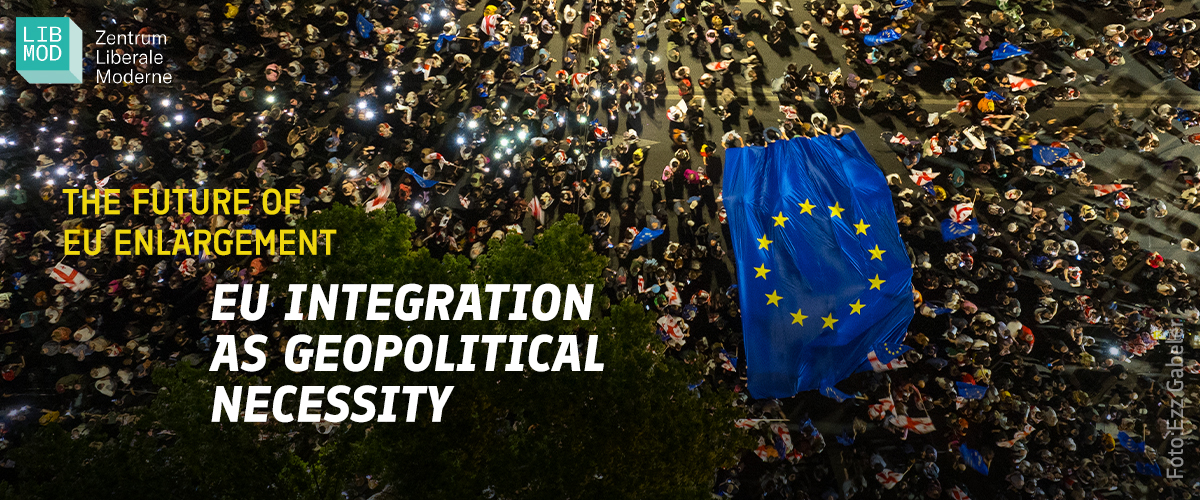
How can the European Union adapt its enlargement policy to new geopolitical realities? What opportunities do models of gradual integration offer? And how is Russia attempting to undermine the European integration of its neighbouring countries? These questions were at the heart of the international conference “The Future of EU Enlargement: EU Integration as a Geopolitical Necessity”, held on 5 October 2026. The Zentrum Liberale Moderne, together with the Konrad Adenauer Foundation, hosted the public event in Berlin.
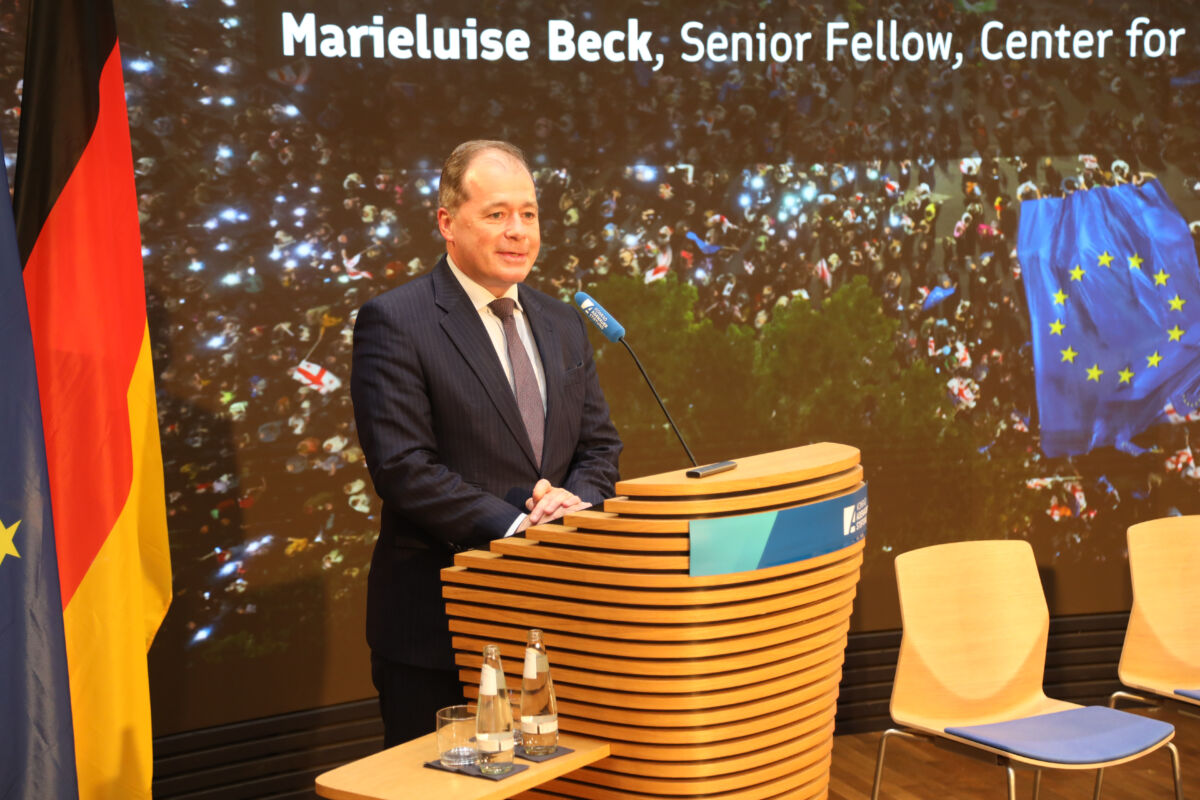
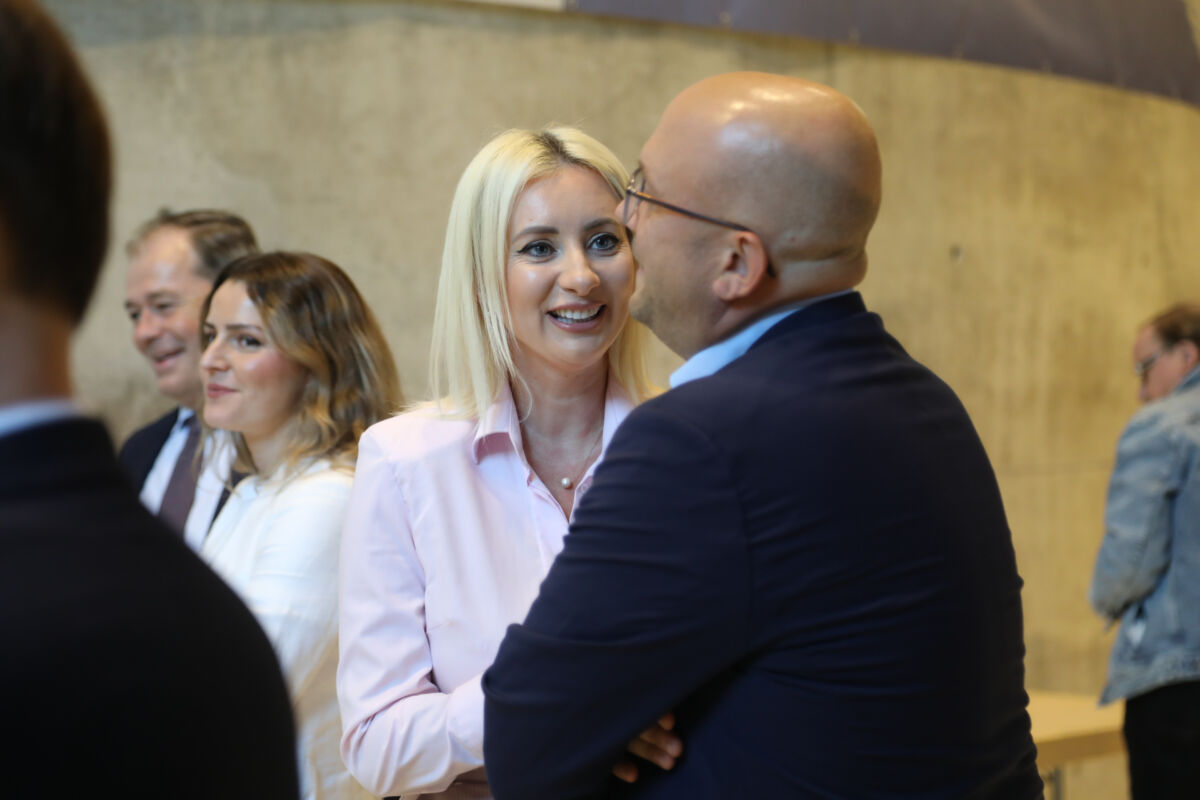
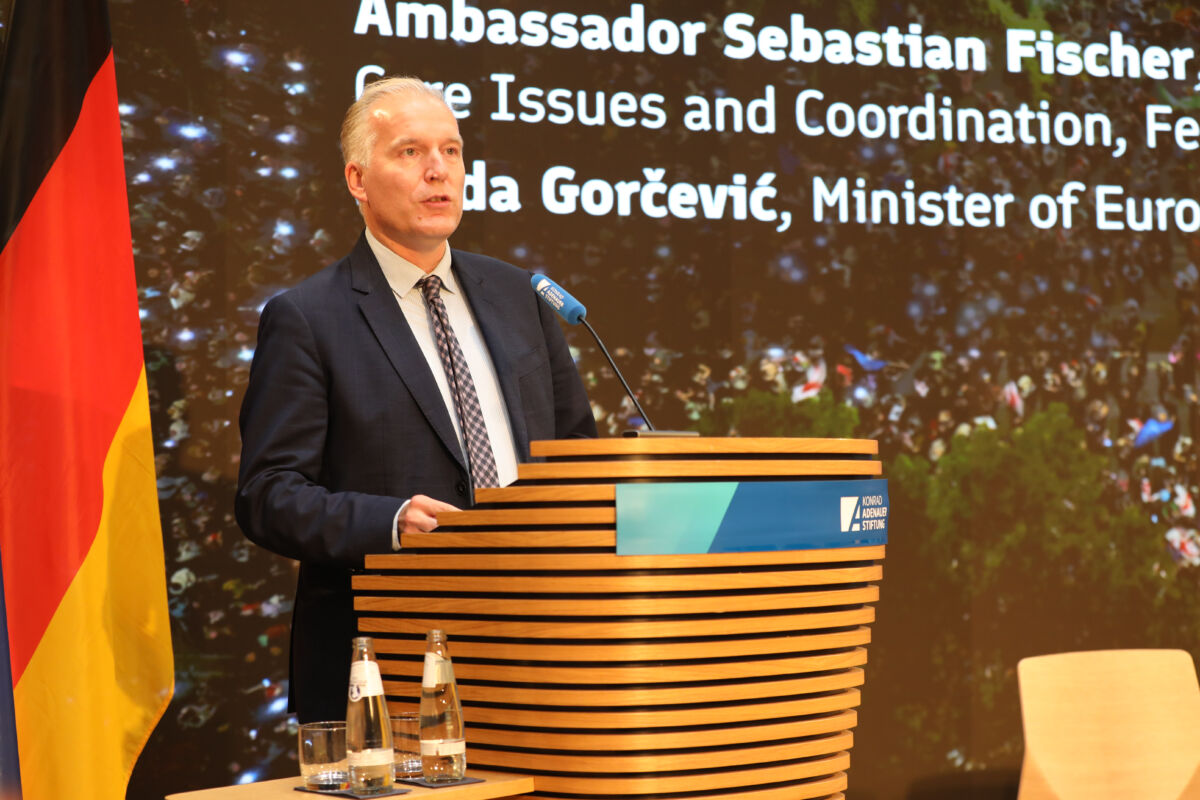
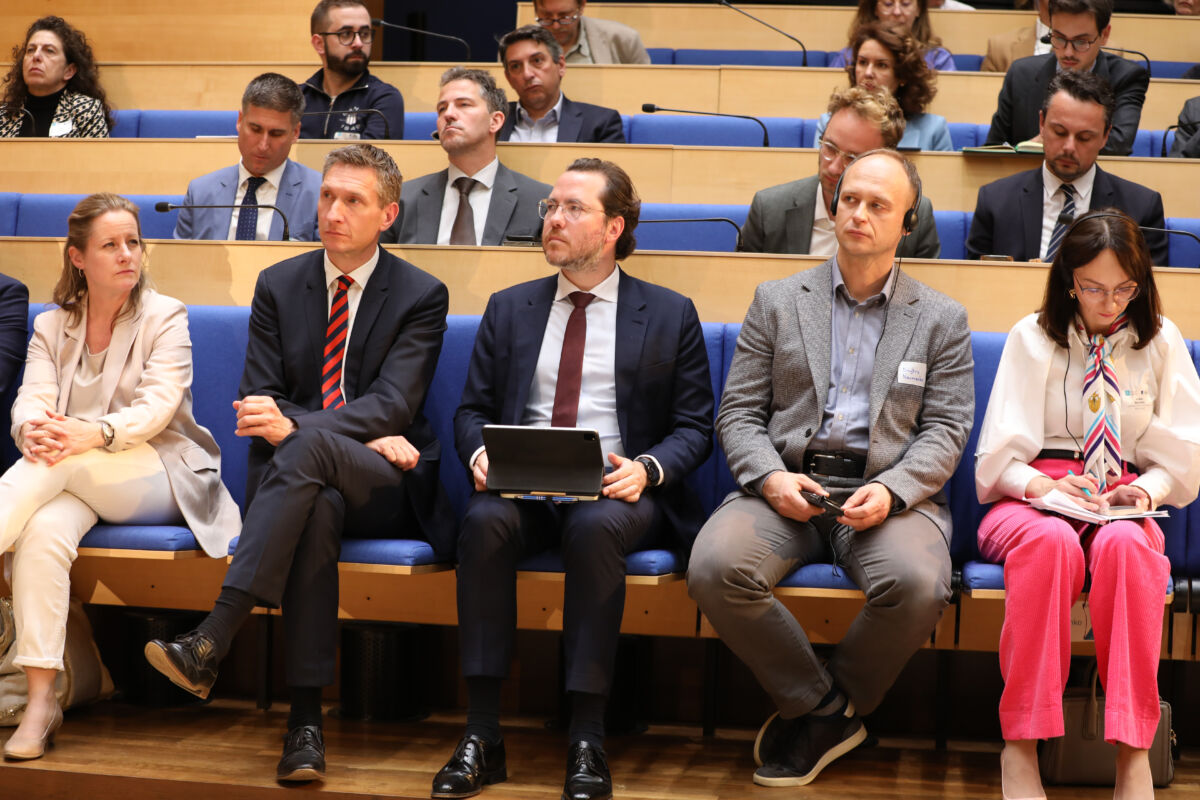
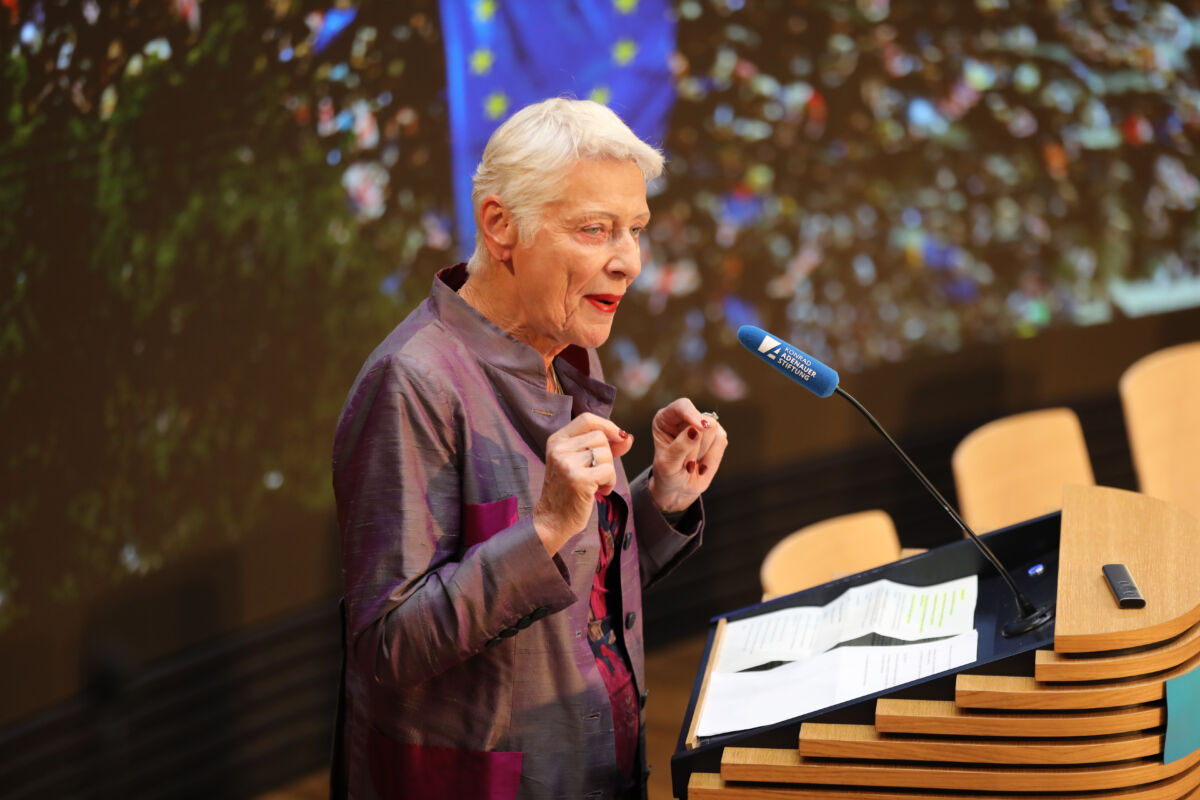
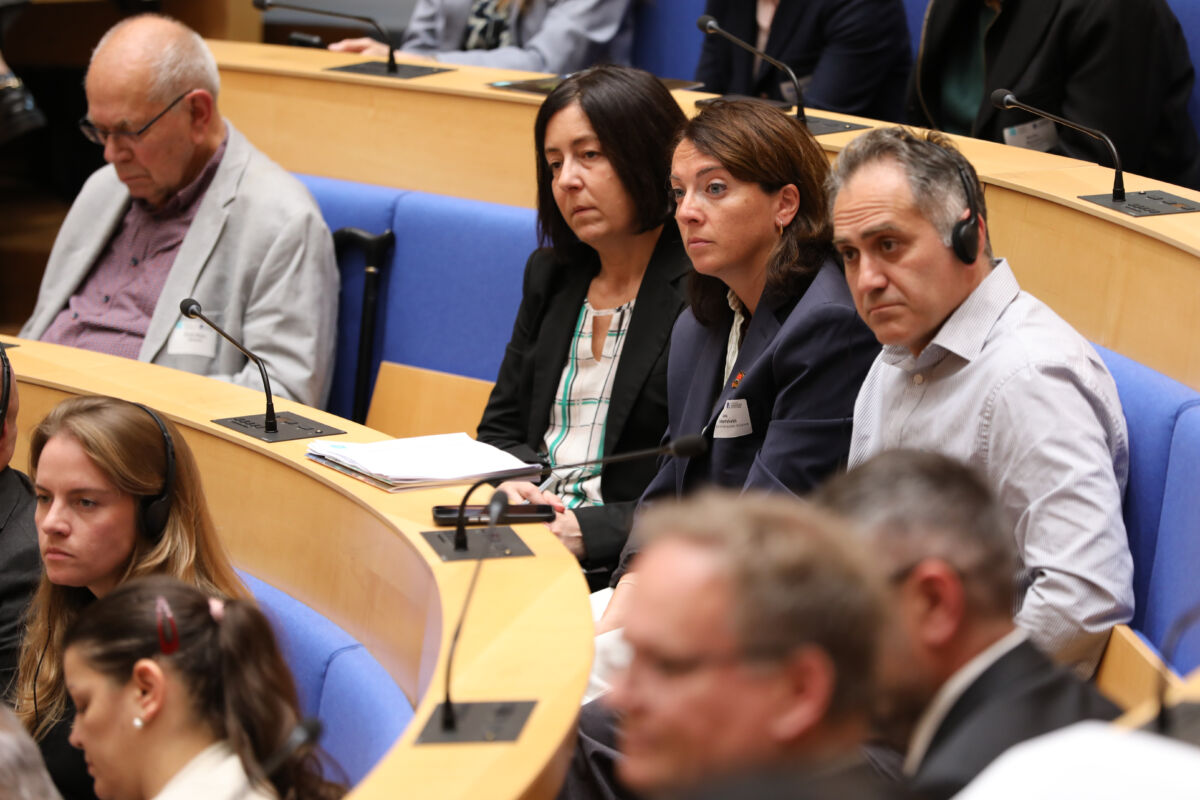
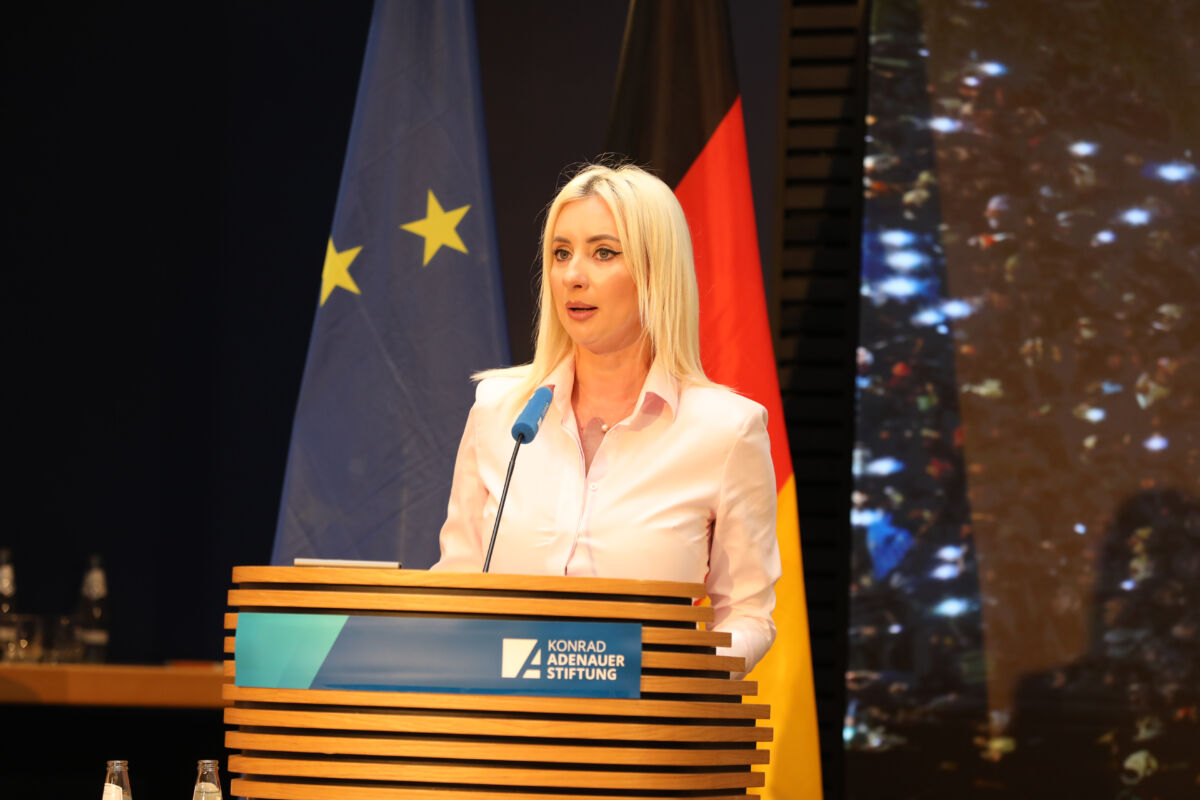
Mark Speich, Secretary General of the Konrad Adenauer Foundation, and Marieluise Beck, Senior Fellow for Eastern Europe at the Zentrum Liberale Moderne, delivered the opening addresses. They were followed by keynote speeches from Maida Gorčević, Montenegro’s Minister of European Affairs, and Ambassador Sebastian Fischer, Deputy Director-General for EU Affairs at the German Federal Foreign Office.
EU enlargement is an issue of strategic importance, Mark Speich emphasised. What had long been regarded as a technical accession process had now become a geopolitical necessity. The decisive question was no longer whether the EU should enlarge, but how it could do so effectively in its external relations while ensuring its institutions remained capable of functioning. At the same time, he pointed to the opposing forces: “For years, Russia has been attempting to weaken democratic institutions, intensify social polarisation and sow doubts about EU integration.”
Marieluise Beck recalled that Europe no longer lived in an era when it could assume it was surrounded exclusively by friends. “The European Union is no longer just about material prosperity. It is about providing military protection for the idea of freedom that the European Union embodies.”
Ambassador Sebastian Fischer also stressed the need to link reform progress in candidate countries with a credible prospect of accession. His central message was: “Successful reforms that create the necessary mutual trust must be rewarded with integration into the European Union.” Otherwise, the EU would play into the hands of those seeking to undermine accession processes through disinformation.
In her keynote address, Montenegro’s Minister of European Affairs, Maida Gorčević, outlined her country’s expectations regarding EU accession: “We are working intensively on the remaining chapters to conclude the accession negotiations, with the ambition of becoming the 28th member state of the European Union in 2028.”
Panel I: Gradual Integration and Associate Membership – New Momentum in EU Enlargement Policy
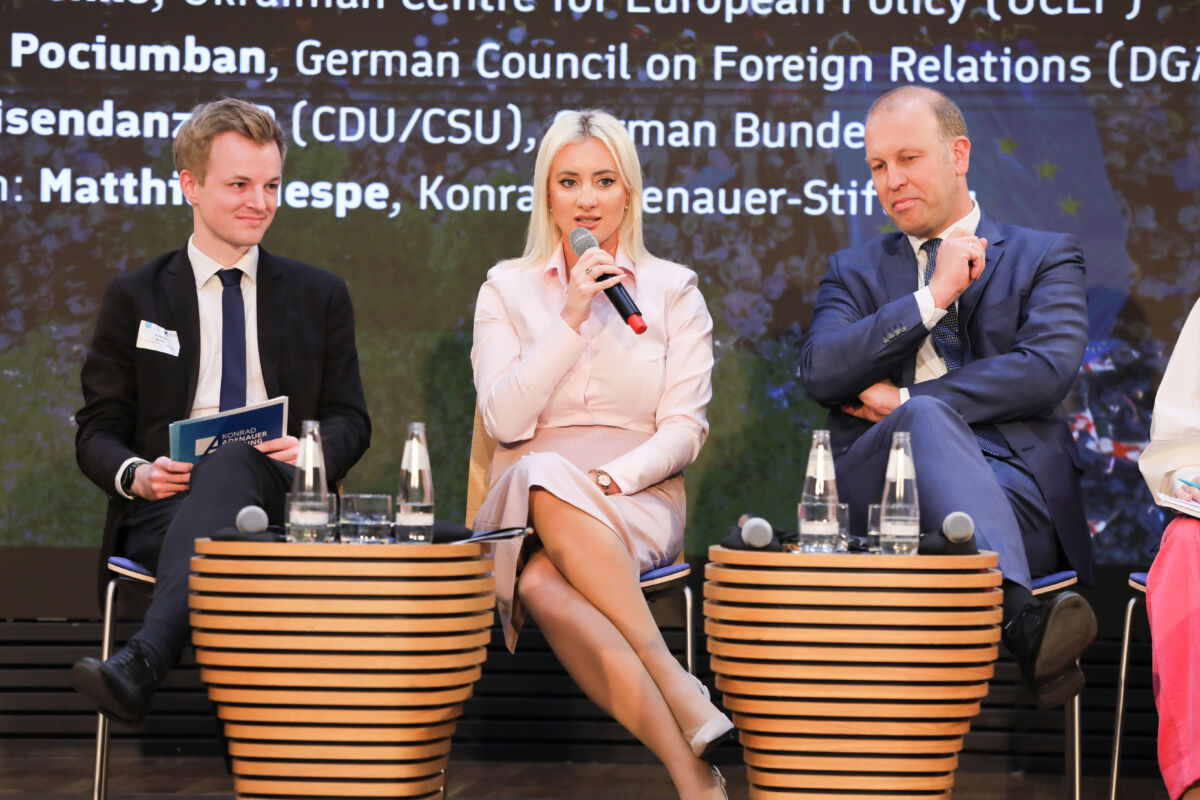
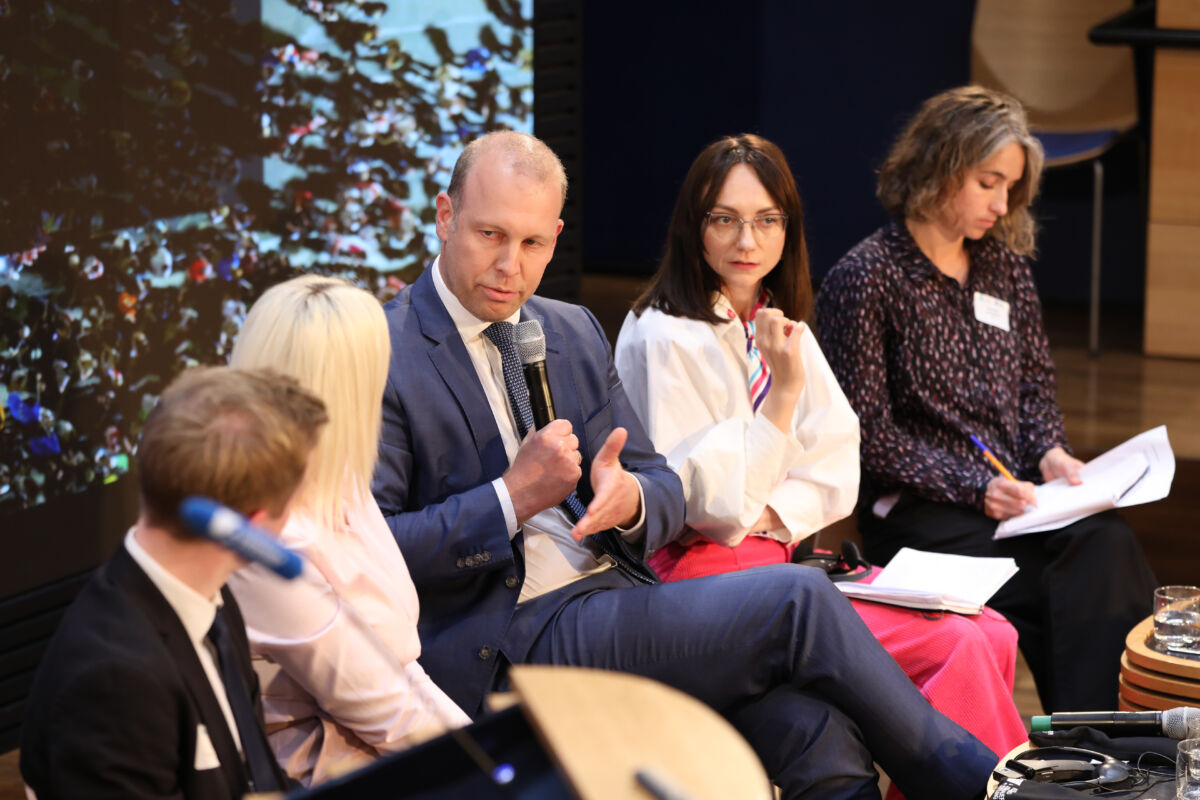
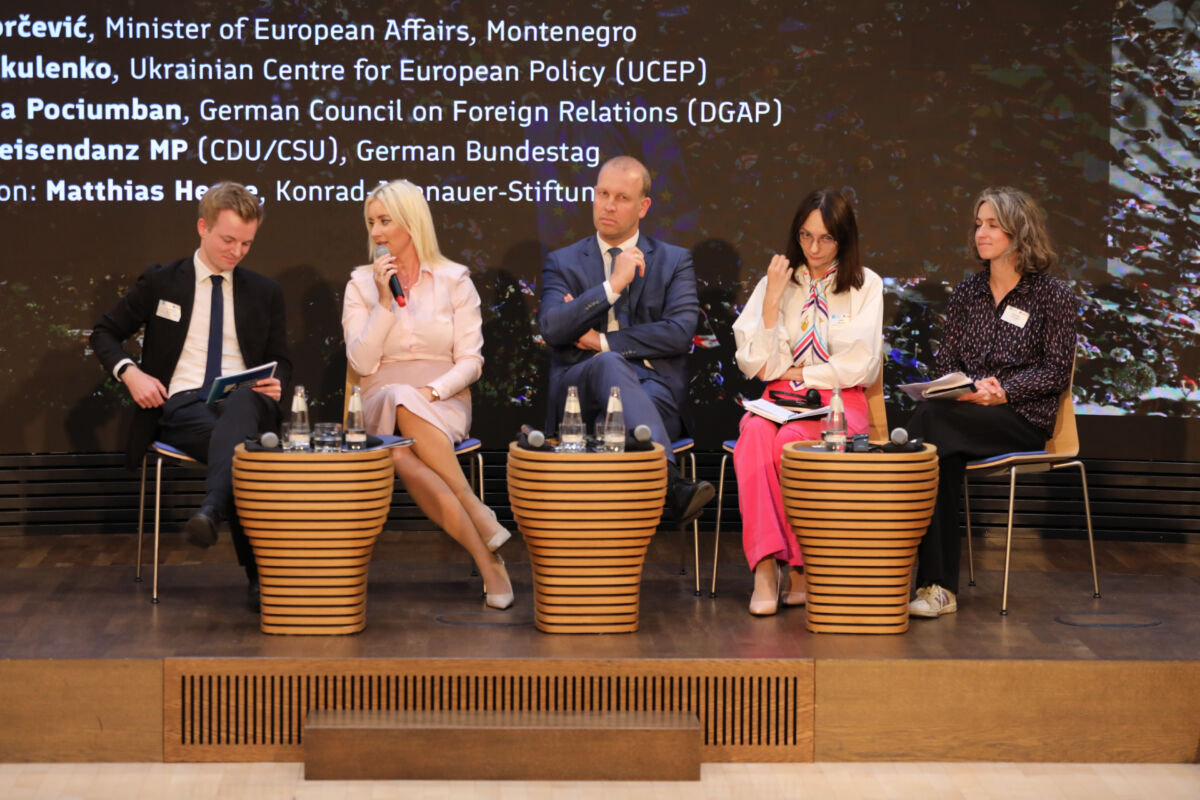
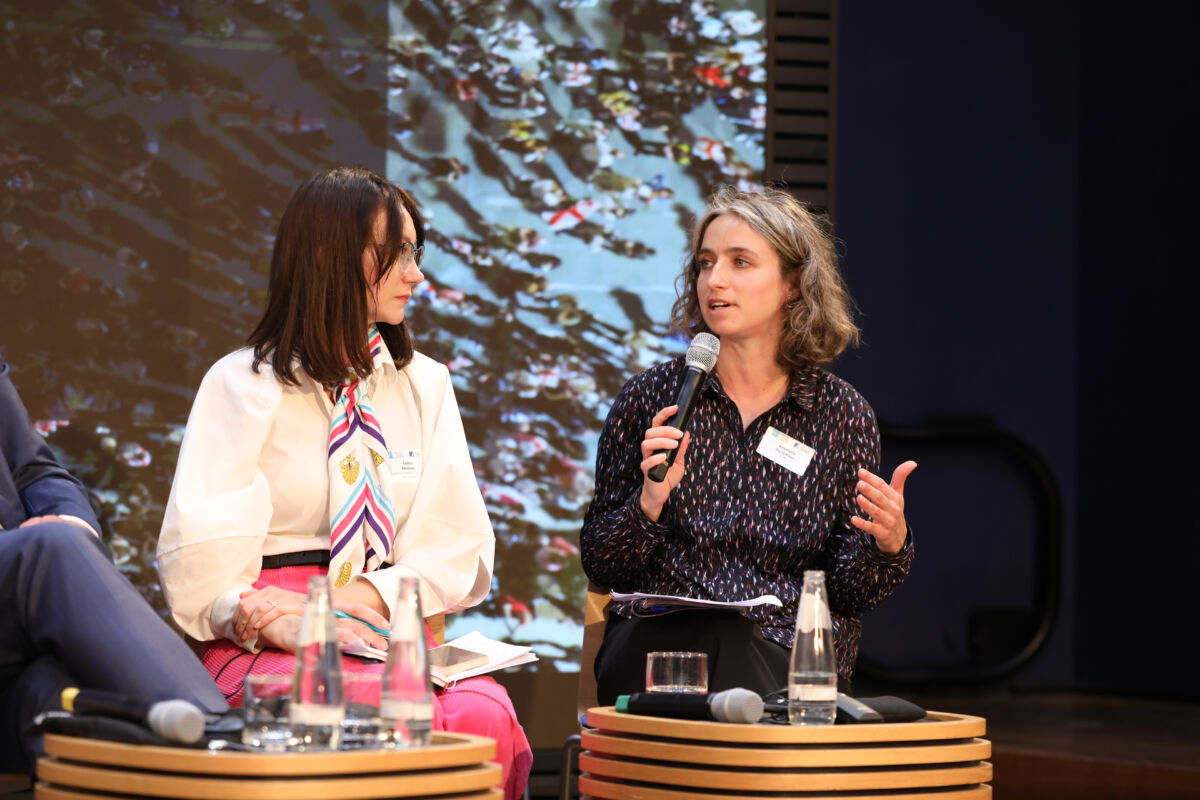
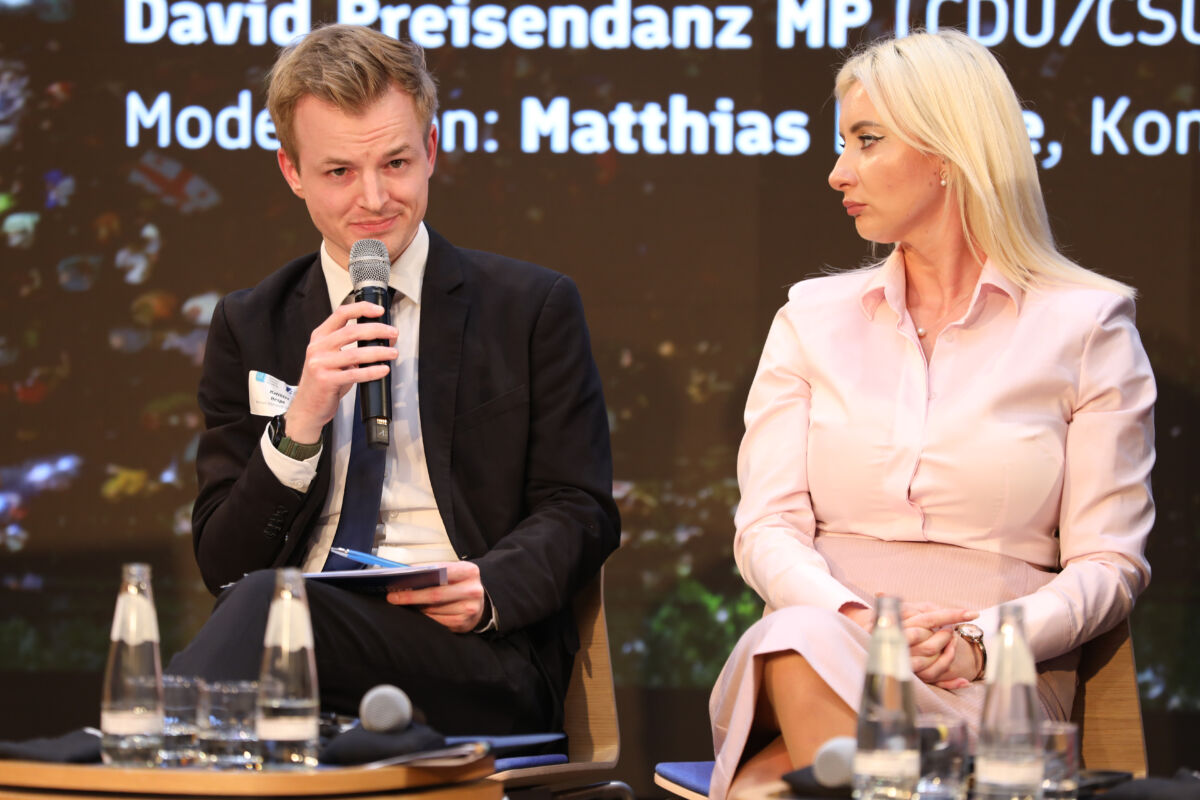
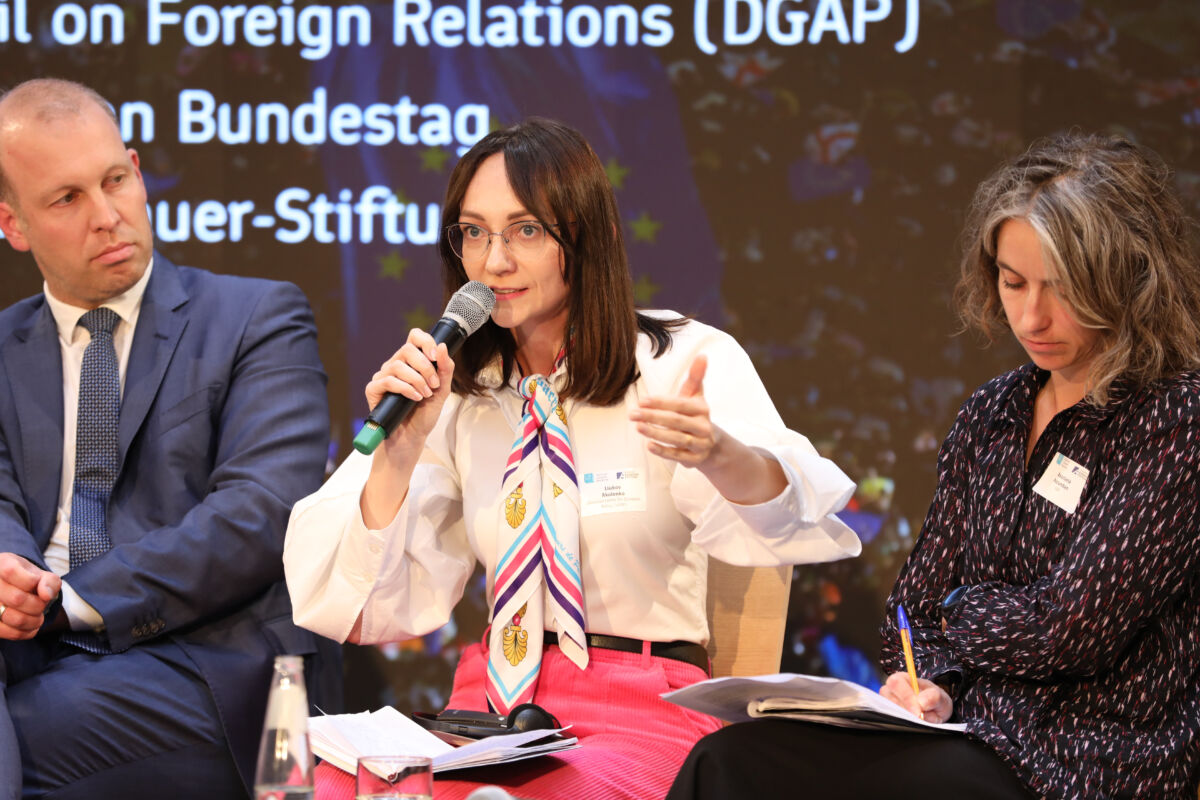
Maida Gorčević, Montenegro’s Minister of European Affairs, Liubov Akulenko (UCEP), Anastasia Pociumban (DGAP) and German Bundestag member David Preisendanz (CDU) discussed new models of European integration in the first panel. The central question was whether gradual integration and associate membership could accelerate the accession process without abandoning reform requirements for candidate countries – or whether they would create new intermediate stages that could postpone full membership indefinitely.
David Preisendanz argued that enlargement needed to be accelerated for geopolitical reasons, while the merit-based approach and the rule of law remained essential. Current proposals for gradual integration represented a good compromise, but these new models must not create yet another “waiting room”. The geopolitical urgency of enlargement had to be reconciled with the merit-based accession process. Given the growing influence of Russia and China, enlargement was in the European Union’s own strategic interest. At the same time, the rule of law and the fight against corruption, in particular, must not be neglected.
Maida Gorčević pointed to Montenegro as a potential success story for European enlargement policy. The country aimed to conclude accession negotiations by the end of 2026 and join the EU as its 28th member state in 2028. For Montenegro, it was crucial that fulfilling the accession criteria actually led to membership. Gradual integration could support the process, but it must not create an additional obstacle for countries that were already at an advanced stage. Montenegro’s successful accession would also strengthen the credibility of European enlargement policy in the eyes of other candidate countries.
From a Ukrainian perspective, Liubov Akulenko questioned what additional benefits gradual integration could still offer. Ukraine was already closely integrated into the European single market in numerous areas, including SEPA and roaming, as well as the energy, customs and transport sectors. Without full membership, the scope for further substantial integration was limited. In light of Russia’s war of aggression, Ukraine therefore needed not only new integration models but also concrete support in implementing institutional reforms. A capable public administration that could advance reforms even under wartime conditions was particularly important. Without a clear political prospect of accession, however, there was a risk that further intermediate models would delay actual membership.
Anastasia Pociumban noted that Moldova viewed the current geopolitical momentum as a limited window of opportunity for its EU accession. Although new integration models could open up additional possibilities, it remained unclear how they could translate into a binding prospect of membership. Technical agreements and closer economic ties could not replace the political will to enlarge the EU. Stronger institutional involvement of candidate countries in European decision-making processes was therefore particularly important. At the same time, she pointed out that every decision required the support of the member states and that public support for enlargement was not particularly strong even in Germany.
The discussion also highlighted that reform challenges were not limited to the candidate countries. The European Union itself needed to strengthen its capacity to act. Preisendanz advocated more majority voting and more effective mechanisms to protect the rule of law. Maida Gorčević expressed openness to stricter rule-of-law safeguards in future accession treaties, while emphasising the equal status of small and large member states.
A common conclusion emerged from the discussion: gradual integration could generate new momentum, but this required the EU to act more swiftly in geopolitical terms without abandoning its own democratic principles. At the same time, the credibility of enlargement policy depended on whether successful reforms were actually rewarded with political progress bringing candidate countries closer to full membership.
Panel II: Russia’s Playbook Against EU Enlargement
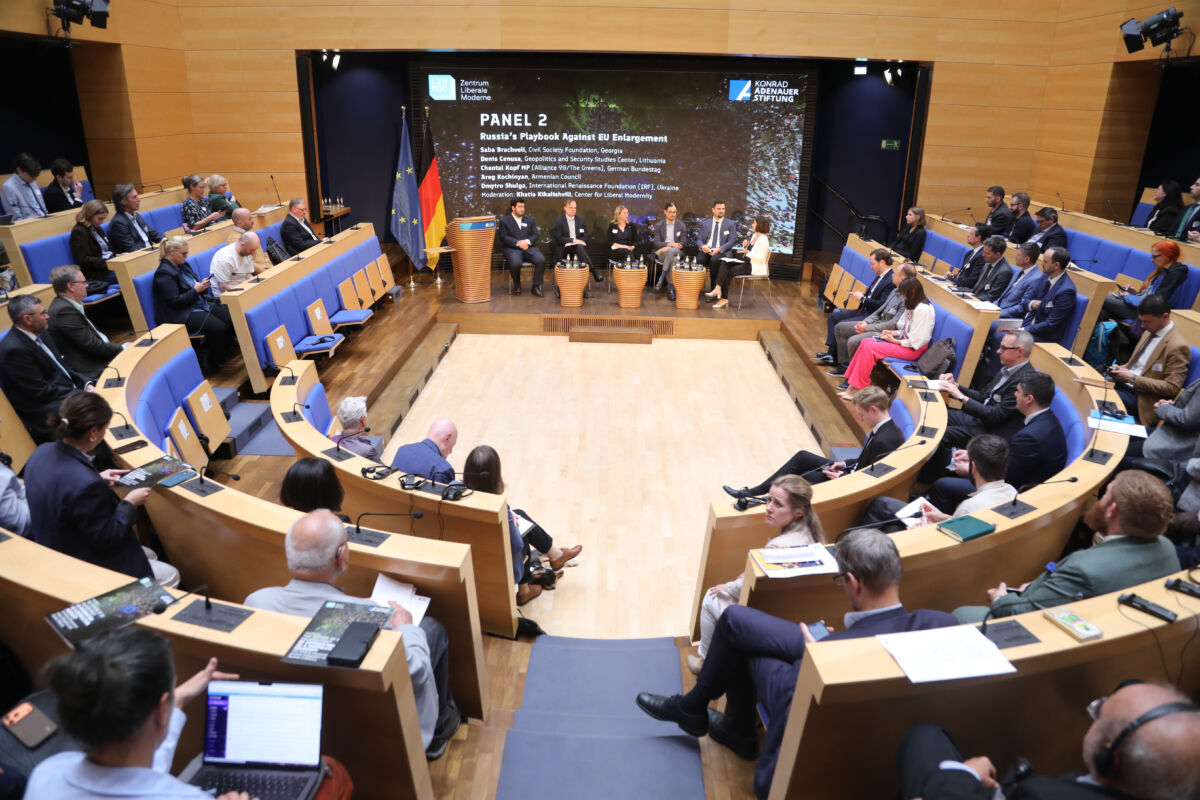
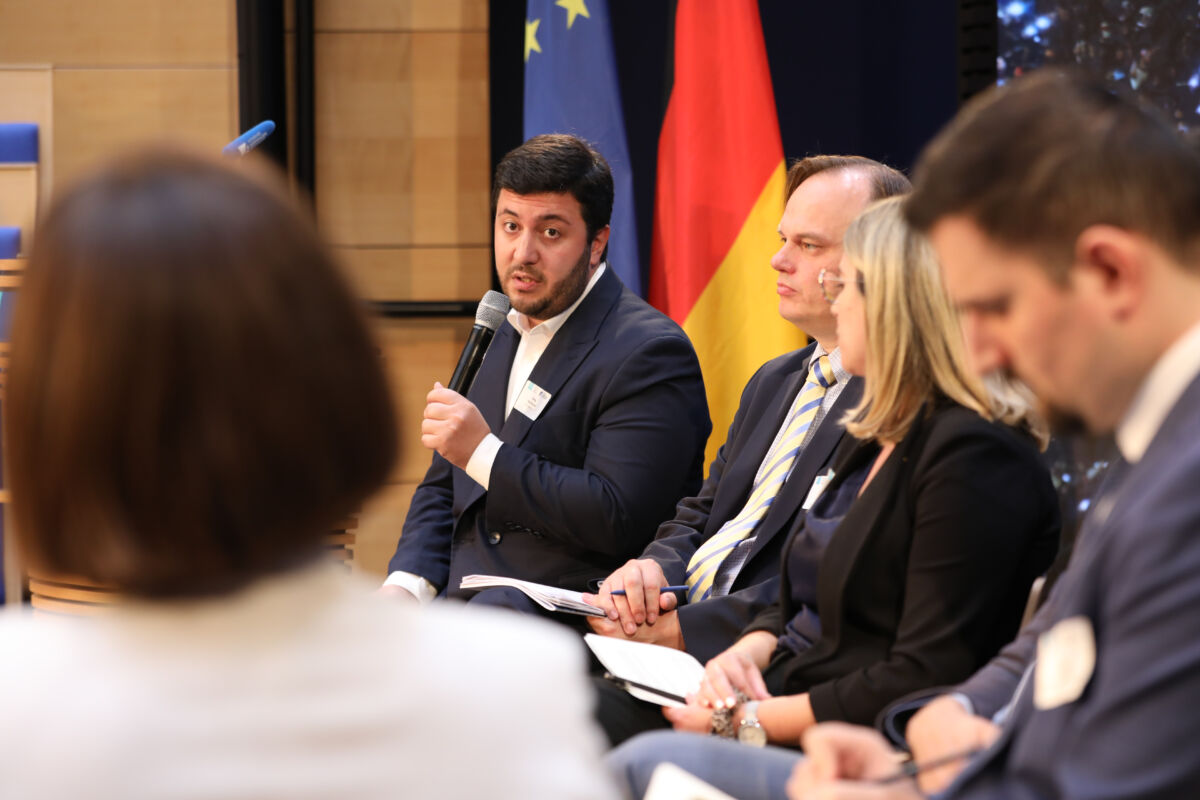
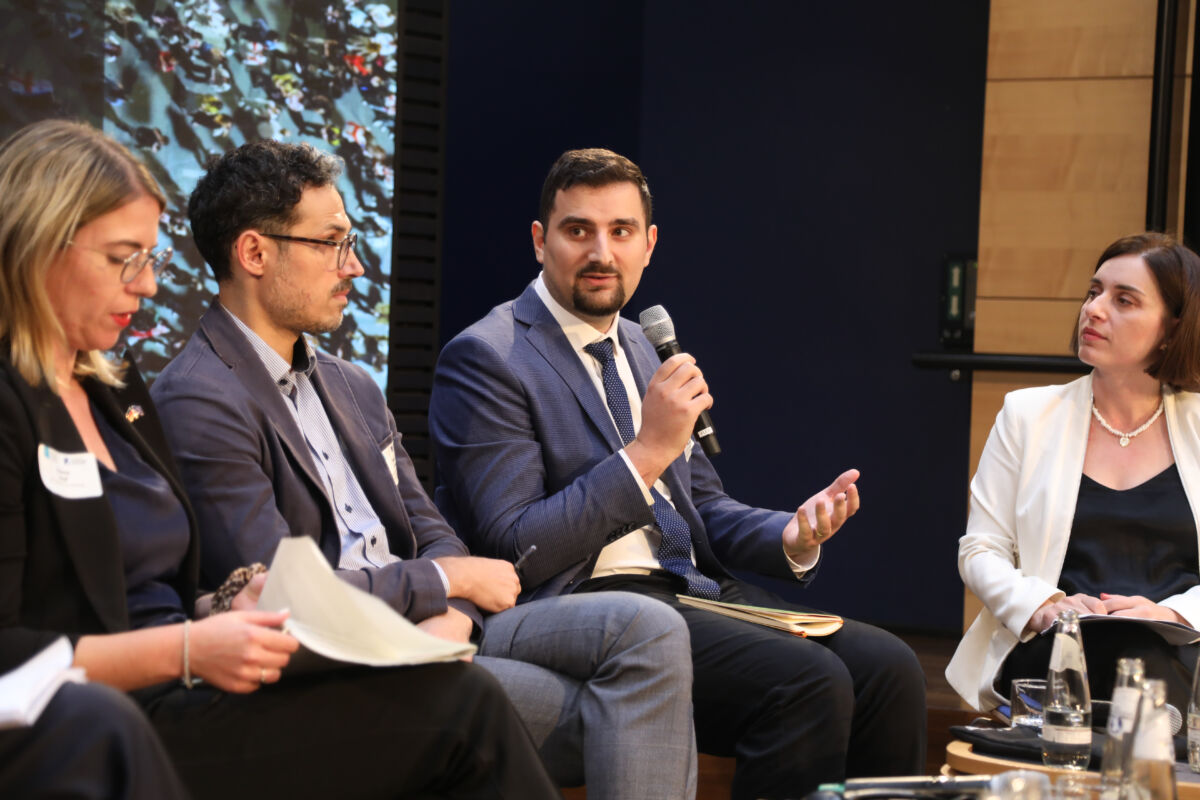
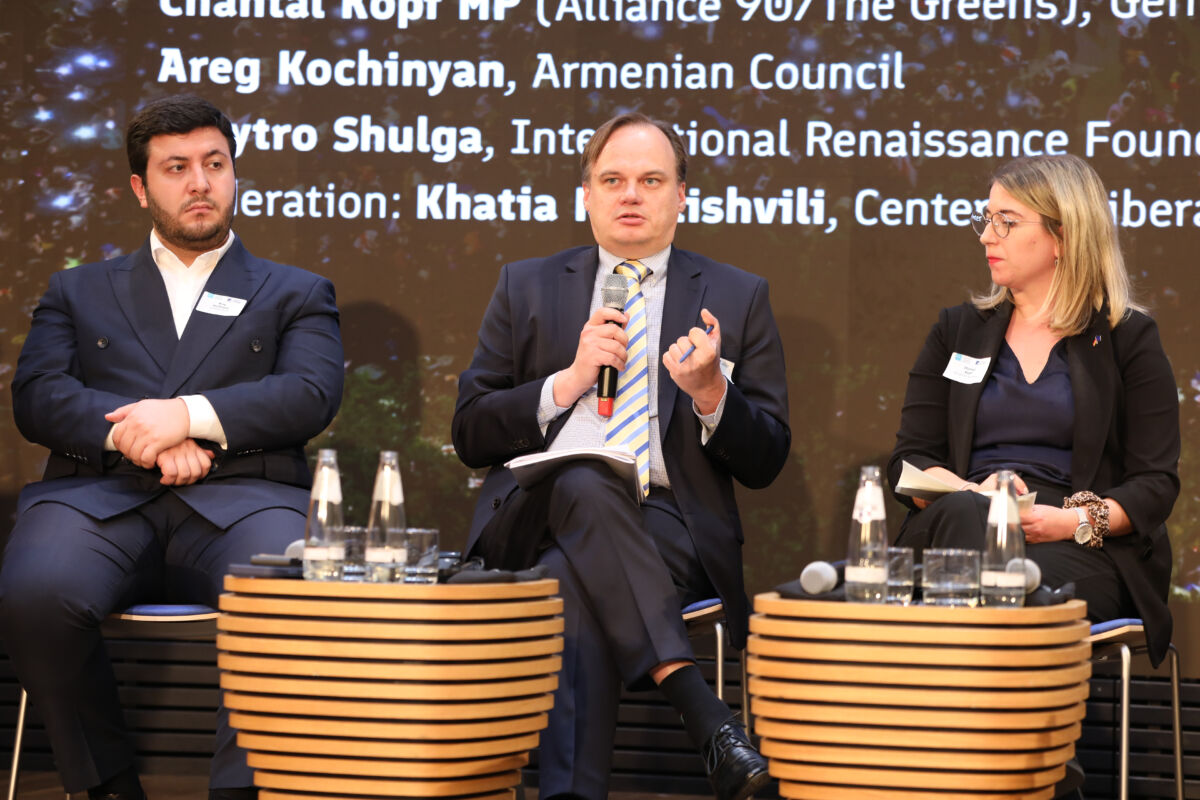
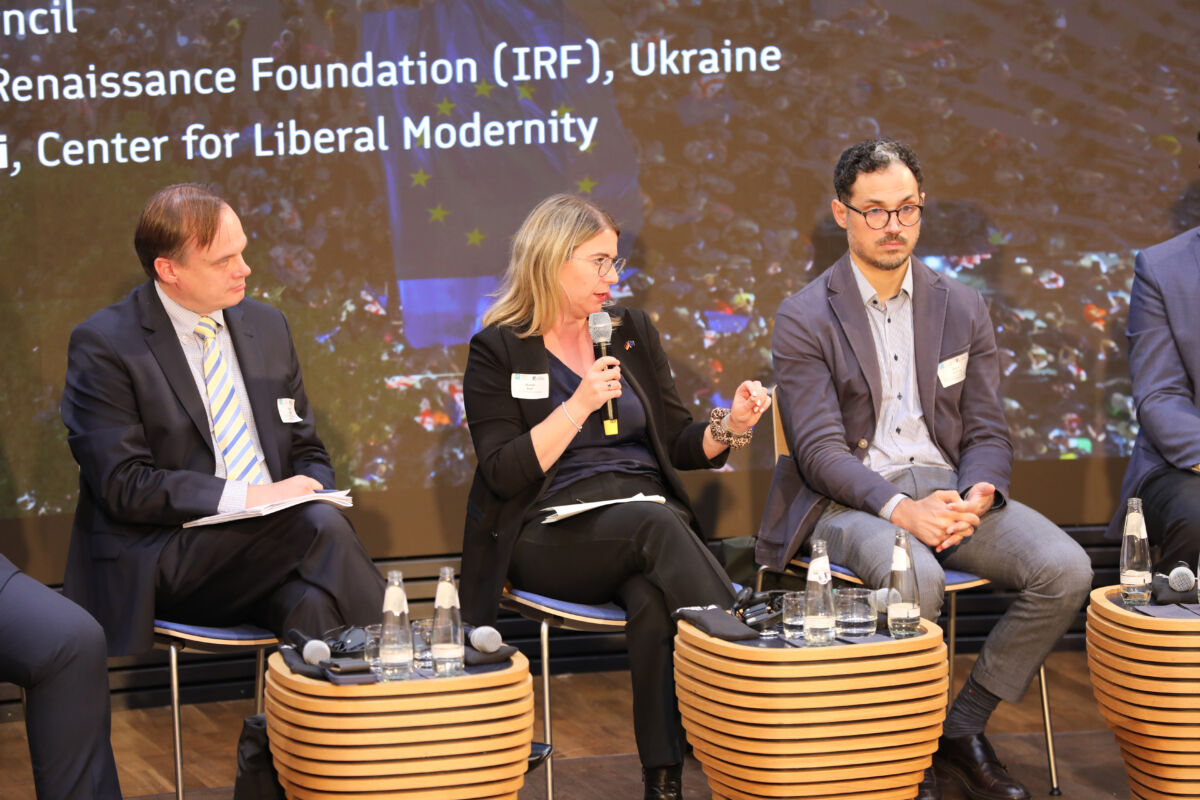
In the second panel, “Russia’s Playbook Against EU Enlargement”, representatives from Georgia, Armenia, Moldova, Ukraine and Germany examined the narratives and instruments Russia uses to obstruct European integration.
The discussion showed that the Kremlin exploits different societal vulnerabilities to achieve a similar objective: amplifying doubts about the EU, destabilising democracy and weakening support for a European future.
Saba Brachveli of the Georgian Civil Society Foundation identified three central narratives of Russian influence operations: European integration would lead to war with Russia; the EU was too weak to support Georgia; and European values threatened national identity.
These messages were effective because they tapped into genuine fears. Given Russia’s occupation of Georgian territories, concerns about another war were being deliberately exploited to undermine the country’s European orientation. Particularly consequential was the fact that anti-European rhetoric was now accompanied by concrete political restrictions.
His warning extended beyond Georgia: if this strategy proved successful, similar narratives and mechanisms could gain ground in other European countries. The EU therefore needed to provide more visible support to its partners and counter the image of a weak and unreliable Europe.
Areg Kochinyan, President of the Armenian Council, explained how Russia uses economic and political dependencies to obstruct Armenia’s rapprochement with the EU. After Russia had, from Armenia’s perspective, failed to honour its security commitments, trust in Moscow had declined significantly. Nevertheless, Russia continued to wield considerable influence through Armenia’s dependence on Russian energy and pro-Russian political networks. Areg Kochinyan warned of the danger that Armenia’s democratic development could suffer a reversal similar to that seen in Georgia.
A decisive response would be to create genuine alternatives. These included closer economic integration with Europe, diversification of energy supplies and the opening of the Armenian-Turkish border. As long as these opportunities remained limited, Russia could continue to exploit existing dependencies to undermine Armenia’s European orientation.
Moldovan expert Denis Cenusa observed that his country had maintained its pro-European course despite massive disinformation campaigns, alleged vote-buying and economic pressure.
He identified cooperation between civil society, independent media and state institutions, as well as concrete EU support, as important factors. European instruments to counter disinformation and cyberattacks, in particular, had strengthened Moldova’s resilience.
Dmytro Shulga of the International Renaissance Foundation described a shift in Russia’s strategy of influence towards Ukraine. Whereas Moscow had previously offered economic alternatives to European integration, it was now increasingly relying on intimidation and efforts to undermine Ukrainians’ trust in their institutions and Western partners.
One central narrative was that the EU had no intention of admitting Ukraine anyway. This made delays in the accession process particularly problematic, as they could lend additional credibility to Russian claims.
Dmytro Shulga emphasised that the EU could not counter this strategy through communication alone. It had to demonstrate through political decisions and tangible progress in negotiations that EU membership was a realistic prospect for Ukraine. Otherwise, there was a risk of repeating the prolonged waiting period experienced by the Western Balkan countries.
Germany was also a target of this Russian playbook, stressed Chantal Kopf, spokesperson on European affairs for the Green parliamentary group in the Bundestag. As in the candidate countries, fears of war and economic burdens were being exploited to weaken support for Ukraine and its European integration.
“Fear is always the underlying factor,” Chantal Kopf explained, referring to the recurring patterns of Russian influence operations. German policymakers needed to take these concerns more seriously and explain more convincingly why EU enlargement was in Europe’s interest. She called for closer cooperation with civil society actors, more effective measures against disinformation on social media and, above all, a credible enlargement policy. Germany bore particular responsibility in this regard.
Despite the differences between the countries, a common pattern emerged: Russia exploits fears of war, economic and energy dependencies, and doubts about whether the EU will deliver on its promises. An effective response therefore combines visible support for partner countries, genuine alternatives to dependence on Russia and a credible enlargement policy.
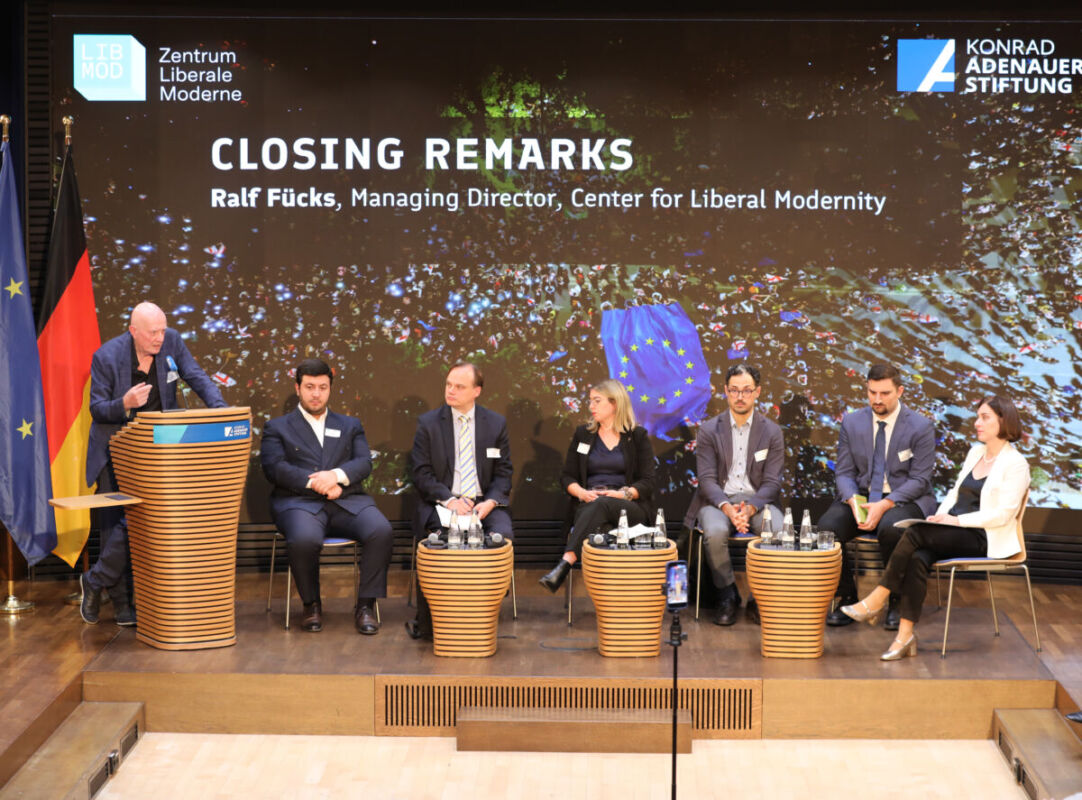
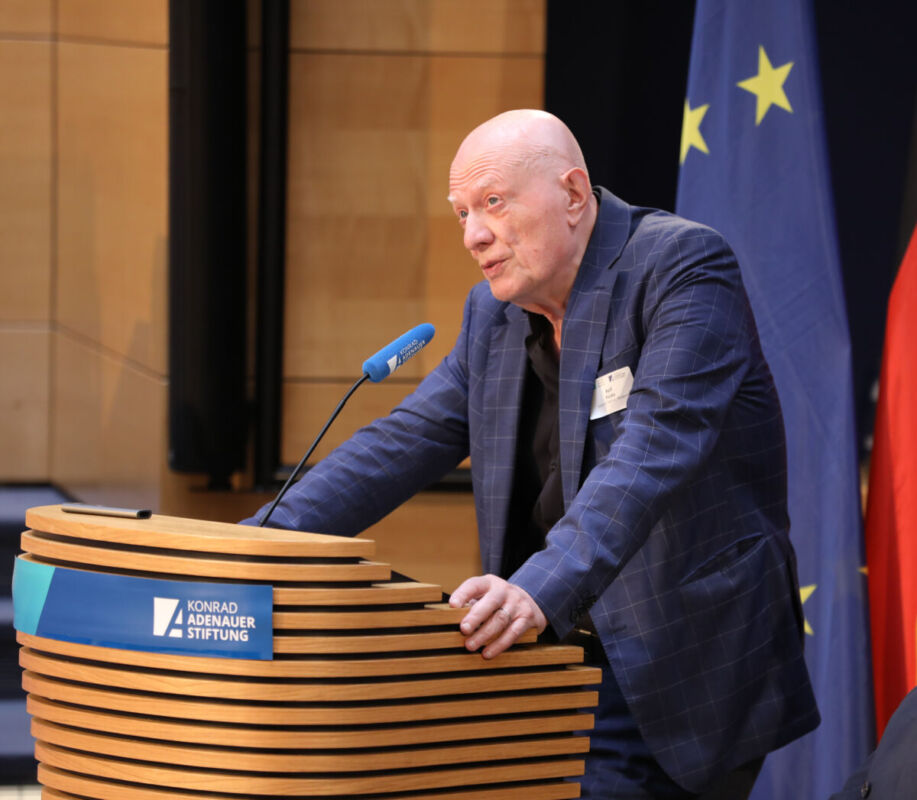
In his closing remarks, Ralf Fücks, Managing Partner of the Zentrum Liberale Moderne, brought together the central themes of both panels. Europe needed to take Russian influence operations seriously without portraying Russia as more powerful than it actually was. The decisive issue was not so much a lack of resources as the political will to make full use of Europe’s capabilities.
He argued for overcoming two supposed contradictions: the tension between EU enlargement and internal reform, and that between gradual integration and full membership. The EU needed a more flexible architecture allowing for different speeds of integration. At the same time, it must not postpone enlargement until all institutional reforms had been completed.
Above all, however, the public debate needed to change. Candidate countries should no longer be perceived primarily as a burden on the EU. Rather, they brought political, economic and technological benefits that could strengthen Europe.
T
Supported by:


t
Hat Ihnen unser Beitrag gefallen? Dann spenden Sie doch einfach und bequem über unser Spendentool. Sie unterstützen damit die publizistische Arbeit von LibMod. Wir sind als gemeinnützig anerkannt, entsprechend sind Spenden steuerlich absetzbar. Für eine Spendenbescheinigung (nötig bei einem Betrag über 200 EUR), senden Sie Ihre Adressdaten bitte an finanzen@libmod.de