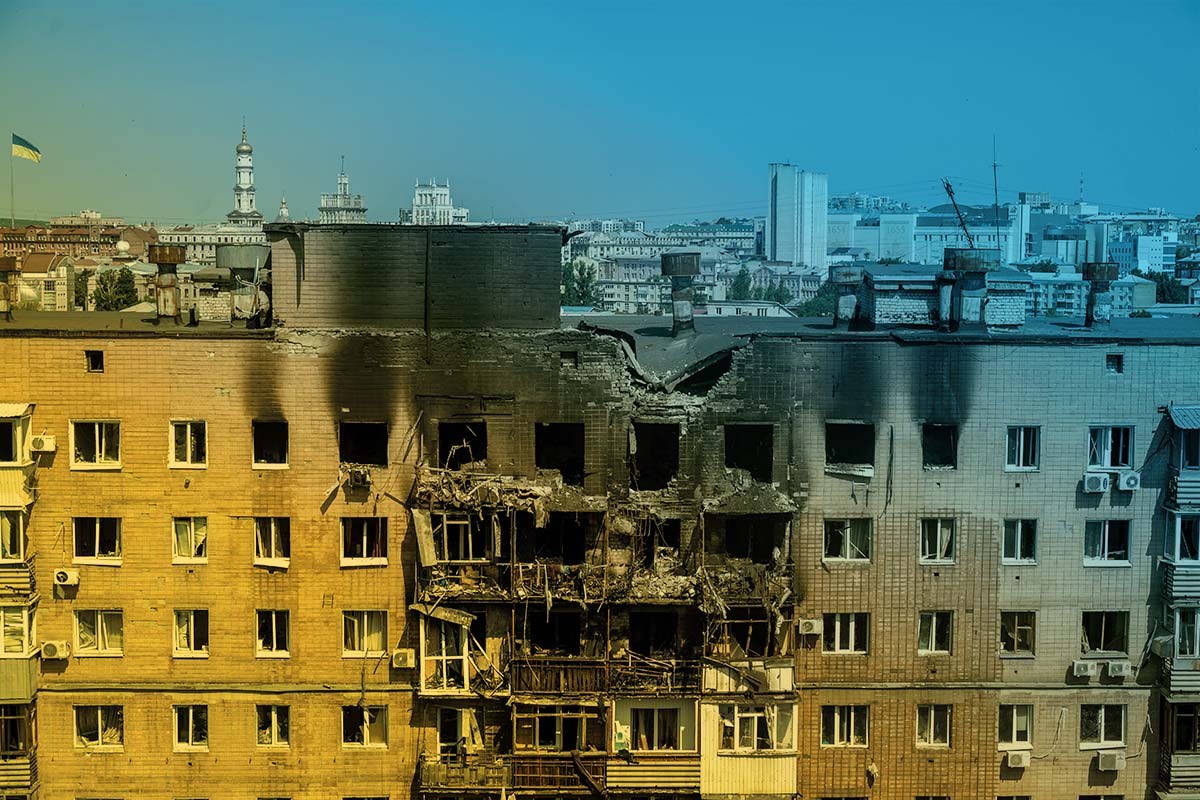
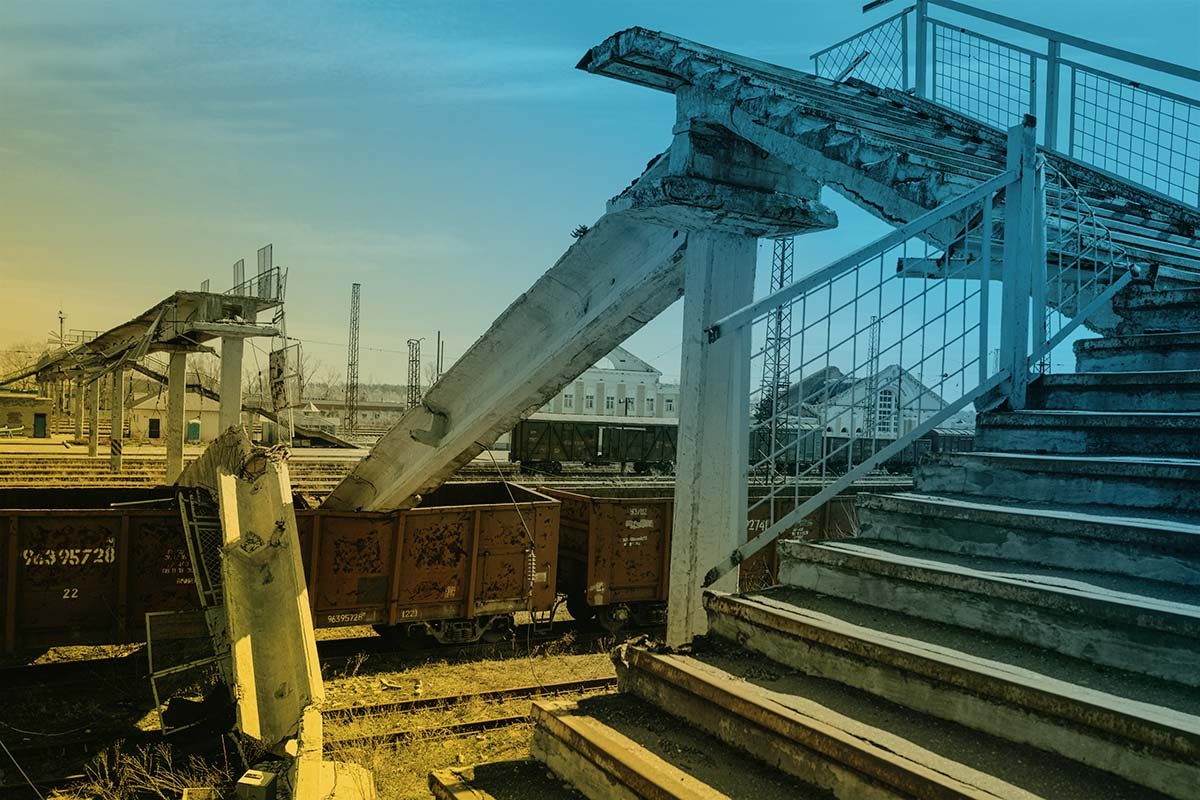
Ukraine has been a target of Russian information manipulation and interference for more than a decade – on a scale closely intertwined with military force, cyber operations and occupation governance. The analysis shows which narratives, platforms and methods Russia uses to undermine trust, intensify war fatigue and weaken the resilience of Ukrainian society.
Armenia is seeking to reduce its foreign and security policy dependence on Russia while expanding its ties with the EU and other Western partners. Moscow is responding with political and economic pressure as well as targeted influence operations. The analysis shows how Russia exploits existing fears, conflicts and dependencies to discredit Armenia’s Western orientation and preserve its influence over the country.
Germany is at the center of Russian influence operations — not only because of its political and economic significance, but also due to societal vulnerabilities that are being deliberately exploited. The analysis examines the strategies Russia is using to destabilize German democracy and the resulting implications for European security.
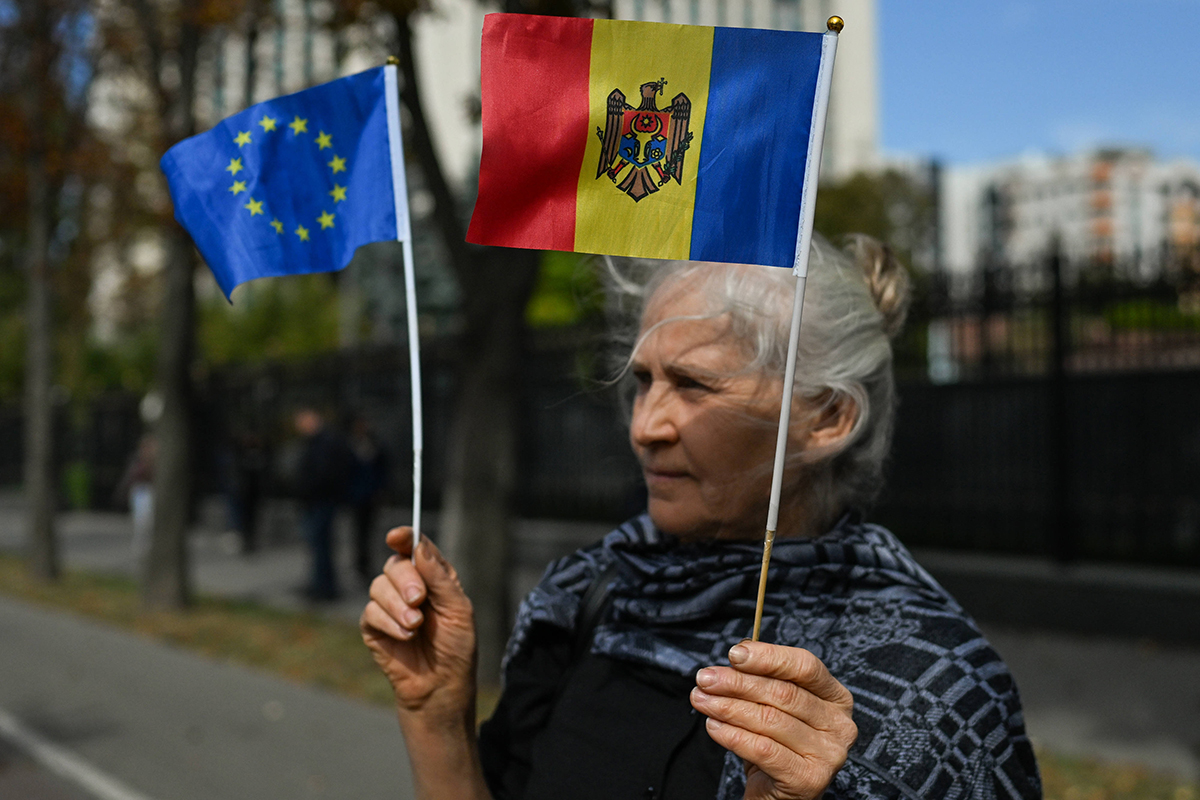
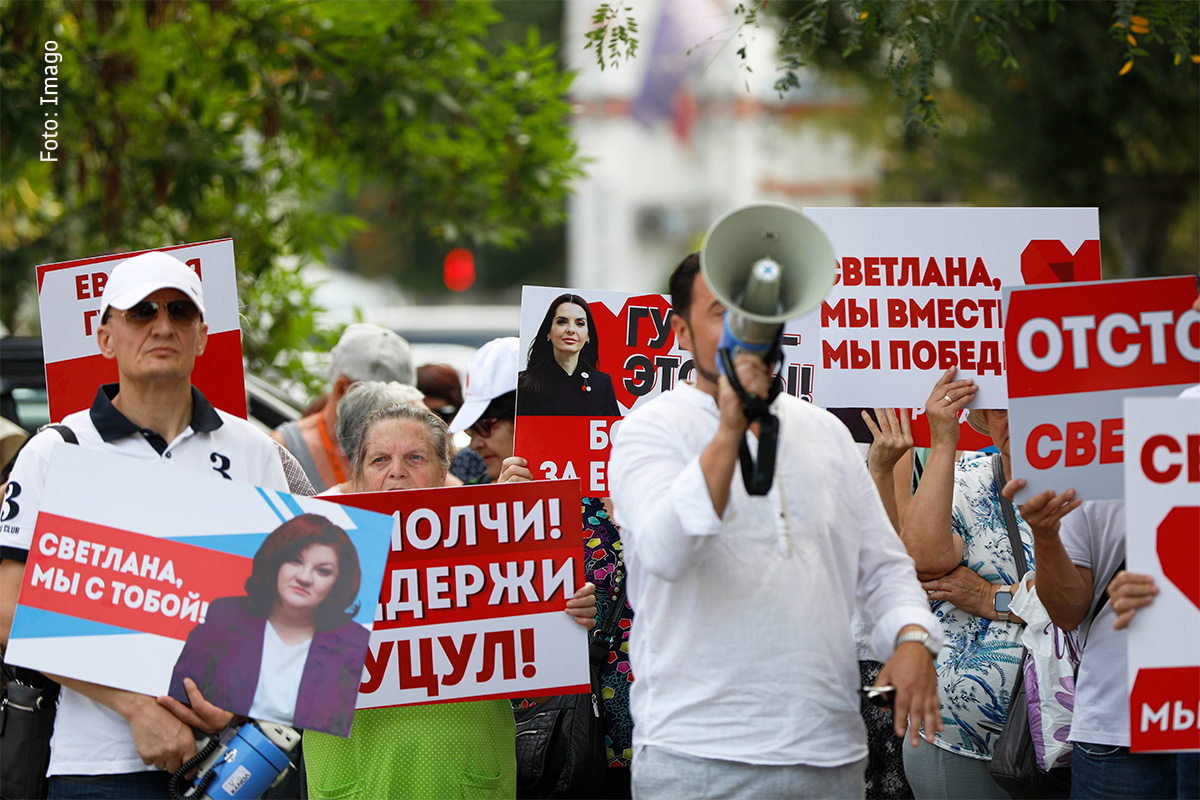
Russia is using targeted information manipulation in Moldova as part of a comprehensive hybrid strategy to destabilize democratic processes and undermine trust in state institutions. However, the experience in Moldova shows that resilience, good governance, and democratic oversight are more effective responses to this than censorship alone.
The five country studies in this dossier examine the Russian FIMI playbook in Armenia, Georgia, Germany, Moldova, and Ukraine through a comparative lens.
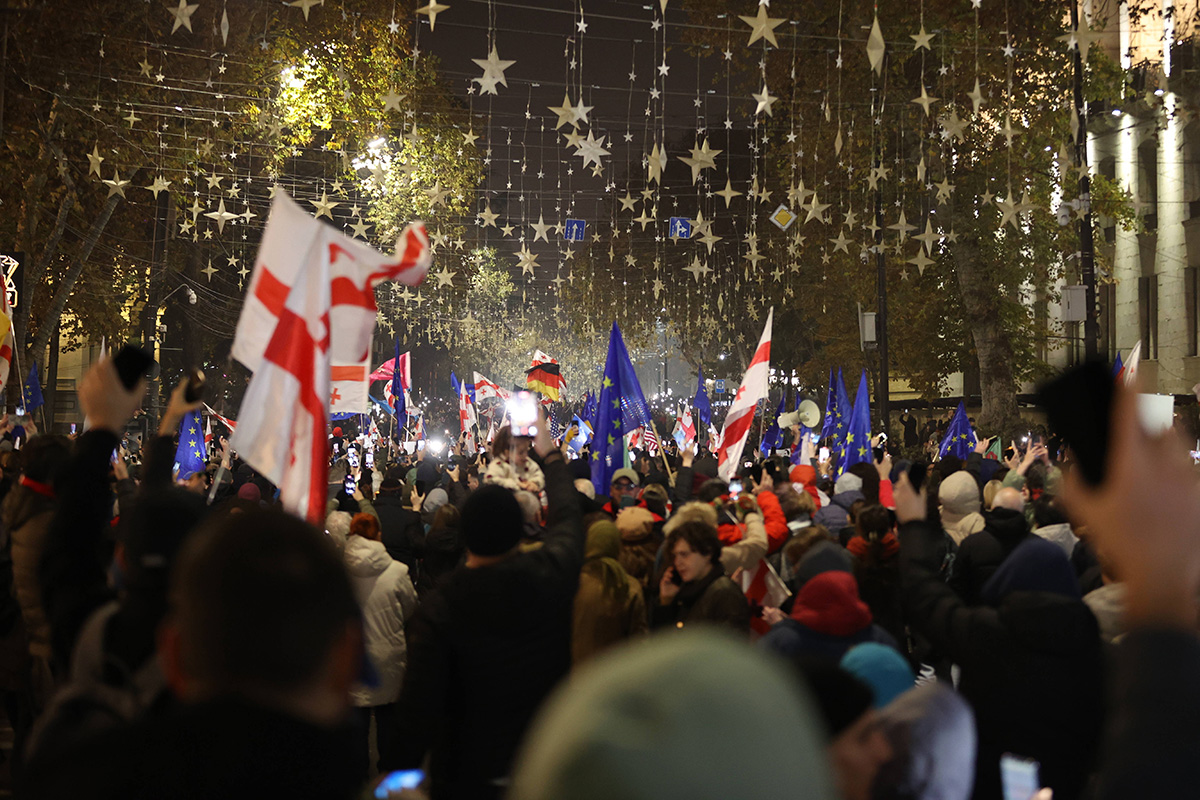
Georgia’s information environment has undergone a fundamental shift. Pro-Russian influence operations are no longer driven primarily by external actors, such as Kremlin-controlled media, but increasingly by domestic actors, including the Georgian Dream government. As a result, anti-Western disinformation has entered Georgia’s political mainstream.
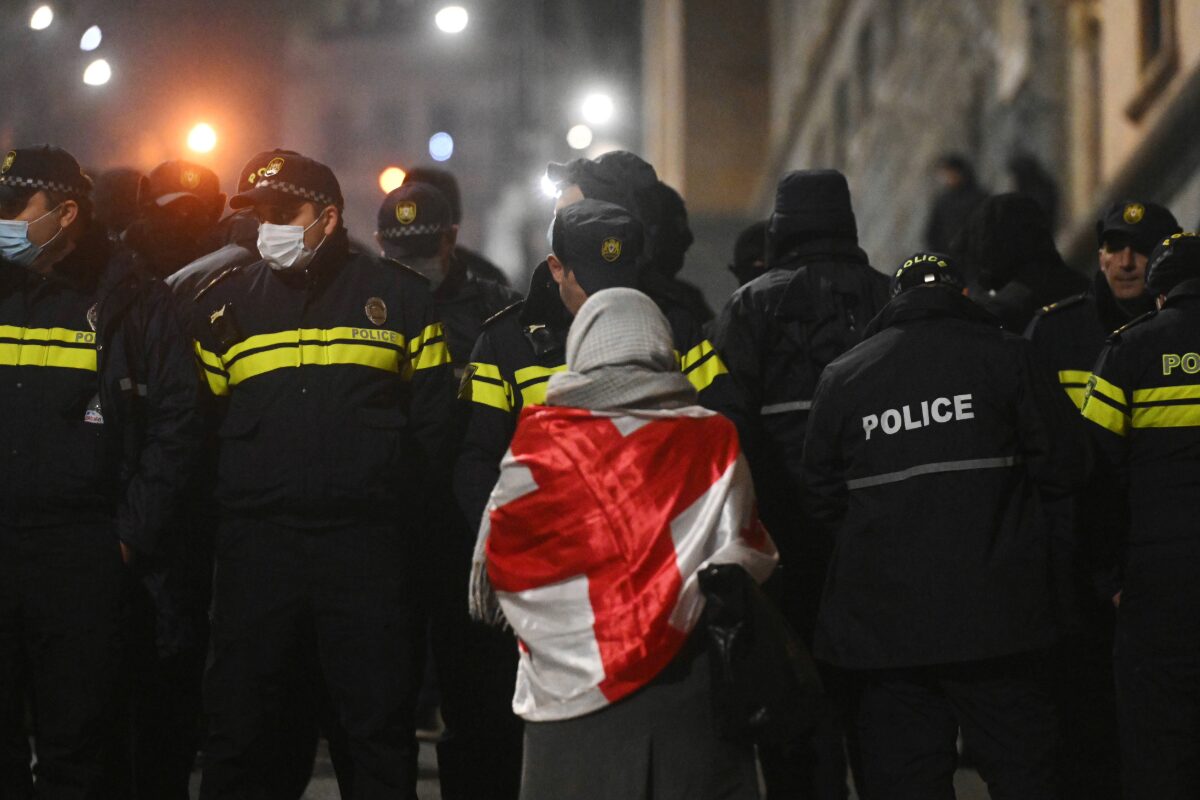
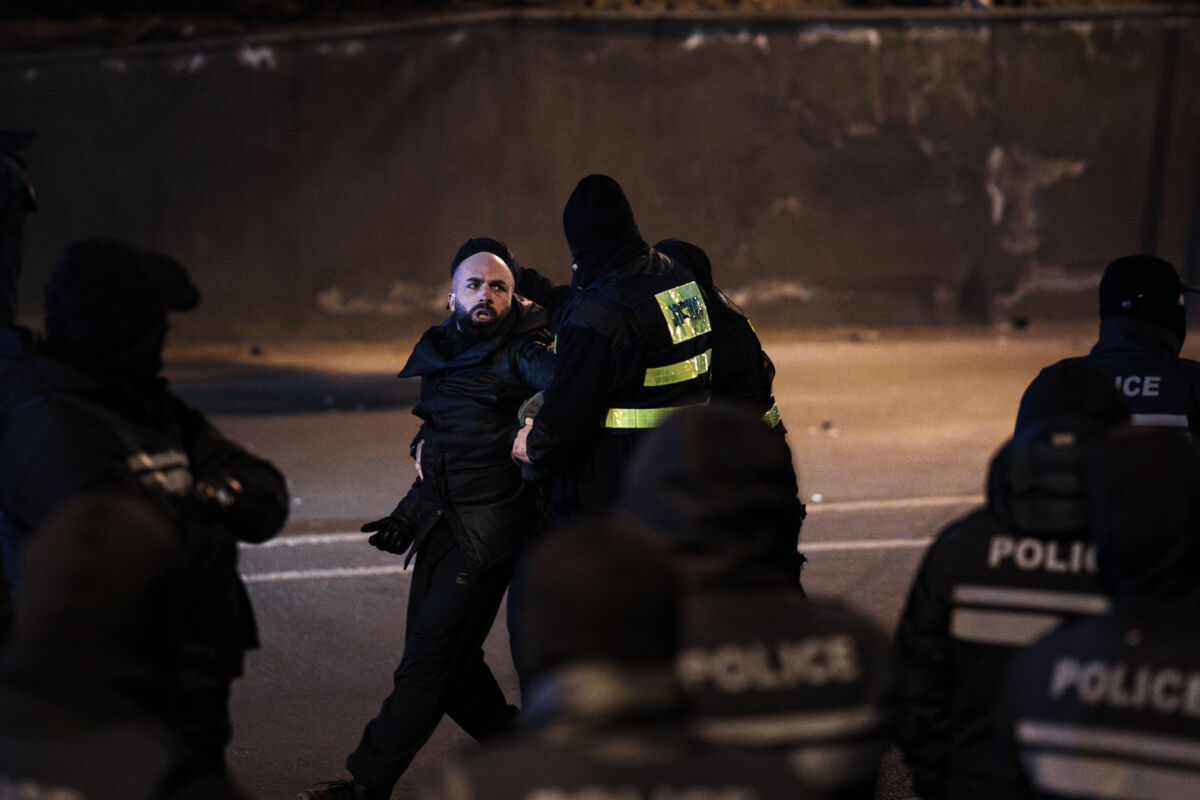
The EU candidate country is facing one of its deepest political crises in recent years. For more than a year, people have been taking to the streets in peaceful protest. At the same time, the Russia-leaning ruling party, Georgian Dream, has been hardening its course: repression against civil society, independent media, and the opposition is visibly intensifying.
Ukraine will require Europe’s largest reconstruction effort since World War II, with needs estimated at 524 billion US dollars. A new policy brief by United Ukraine Think Tank Director Igor Popov outlines strategic priorities that go beyond restoration to transformation, creating mutual benefits for Ukraine and Europe.
Ukraine’s resilience depends on balanced international support combining military aid, emergency reconstruction, and preparation for long-term recovery. A new policy brief by economist Oleksandra Betliy demonstrates how strategic defense investments reduce overall costs while supporting German industry and European security.
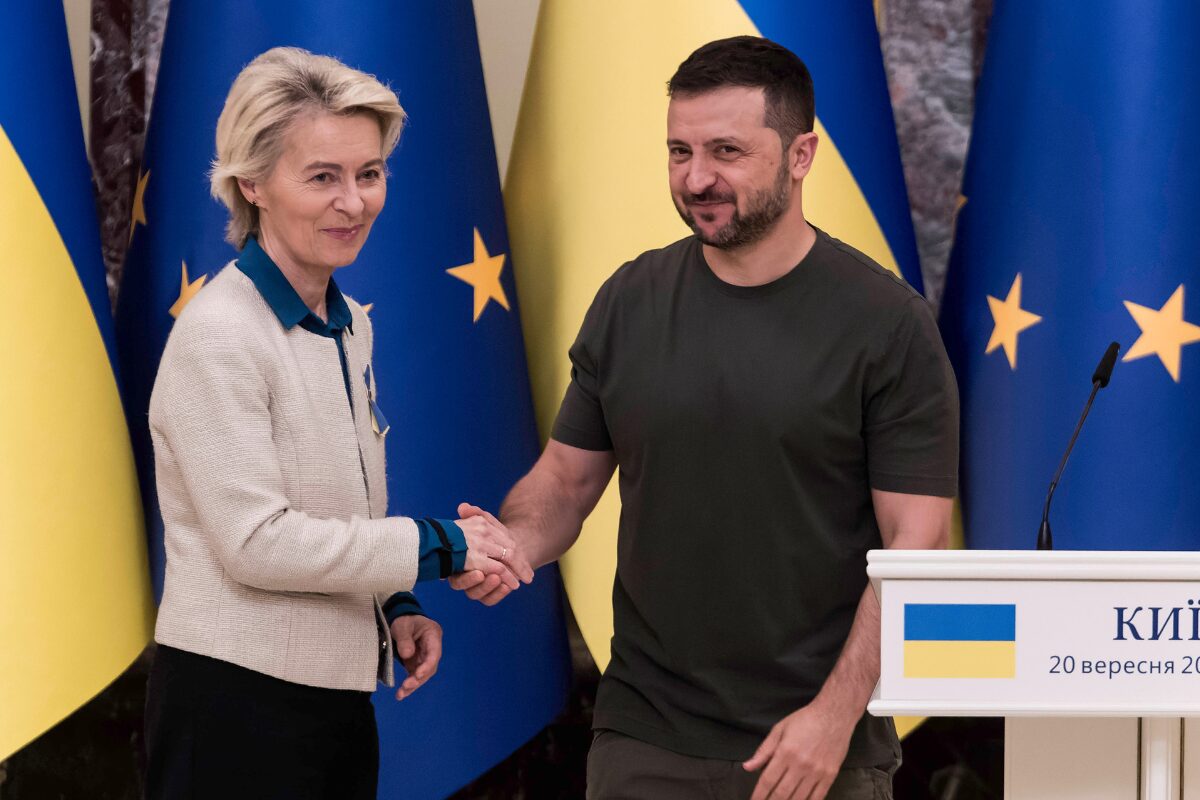
EU accession negotiations with Ukraine are hitting structural and political limits in times of war—both in Kyiv and in Brussels. Technocratic procedures and exclusively positive EU rhetoric undermine the necessary incentives for reform, analyzes Liubov Akulenko and proposes a Germany-led “coalition of the willing” to deliberately advance blocked reforms through confidential dialogue.
As the European Union adjusts its policies in preparation for a new round of enlargement, relations between Moldova and the European Union (EU) have entered a new stage of development. Natalia Stercul (Foreign Policy Association of the Republic von Moldova) analyses the situation.
Georgia is on the path to authoritarian consolidation of power. The systematic restriction of civil society, political competition, and freedom of assembly goes hand in hand with a foreign policy shift away from the EU. An analysis by Nino Chachava and Saba Bachveli (both: Civil Society Foundation, Georgia).
The parliamentary elections on September 28 will be historic in Moldova, even if the outcome is still uncertain. Various scenarios are possible: Will Moldova succeed in pushing ahead with EU accession as protection against a perceived threat from Russia? Much depends on how the population reacts to frustration and fears, as Denis Cenusa analyzes for us.
Over the course of its 75-year history, NATO has weathered many storms. At least two previous crises were existential – and in both cases, the US played a key role. The new crisis in the transatlantic alliance, triggered by President Trump, runs deeper. Europe needs a bold and strong strategy to brave the storm. Gerlinde Niehus, former Deputy Director for Defense and Security Cooperation at NATO, analyzes the current situation for us.
Despite the war, Ukraine is moving toward European Union membership at an unprecedented pace. For its accession to succeed, it needs decisive support from the EU – and a solution to circumvent the ongoing blockades imposed by Viktor Orbán’s Hungary, Sergiy Solodkyy argues in his policy brief.
Beijing and Moscow are linked by a strategic partnership and a common adversary, “the West”. Senior Diplomat Johannes Regenbrecht analyzes for us what this alliance is about, what interests Xi Jinping is pursuing in Putin’s large-scale war against Ukraine and what challenges the Russian-Chinese alliance faces from an erratic president in the White House. The US and the European Union must be aware that restrictions on Ukraine’s sovereignty will set a significant precedent not only for Europe, but also for the Indo-Pacific region.
Repression is intensifying in Georgia: following an attempt to introduce a Russian-inspired foreign agents law, targeted attacks on civil society, protesters, and independent media have ensued. Civic space is increasingly being restricted – through surveillance, legal crackdowns, and the targeted persecution of critical voices. To withstand this crucial fight for democracy, Georgian civil society now urgently needs clear and decisive support from Europe. Ivane Chkhikvadze from the Civil Society Foundation analyzes this escalation and outlines concrete expectations towards the EU.
The future of Europe is at stake in the face of Russian aggression. Germany and Poland should undertake a joint effort for a new European Russia policy, finding common ground despite their entrenched differences. A new start can arise from shared insight and interests, if there is political will.