
Why there can be no return to business as usual with Russia
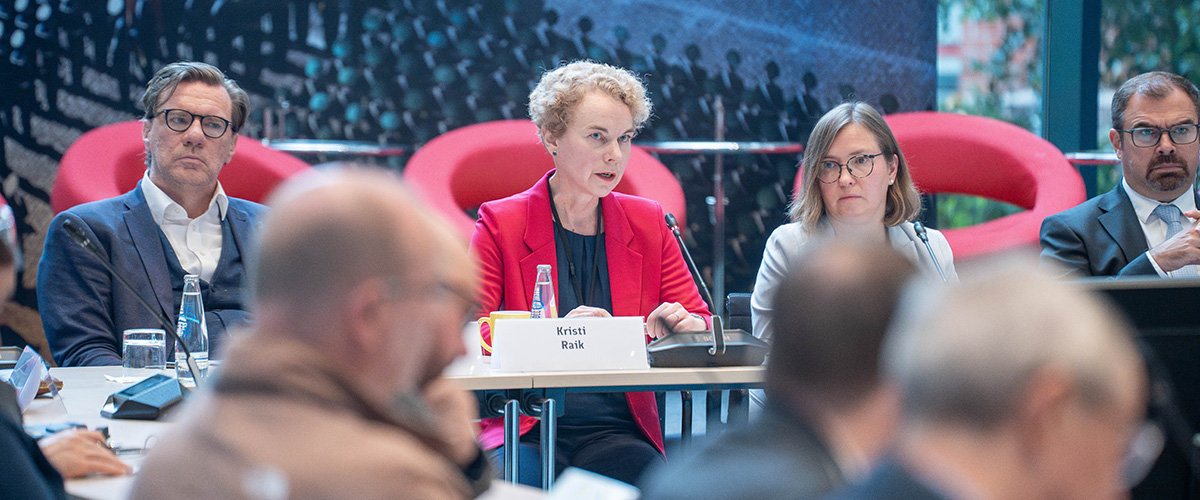
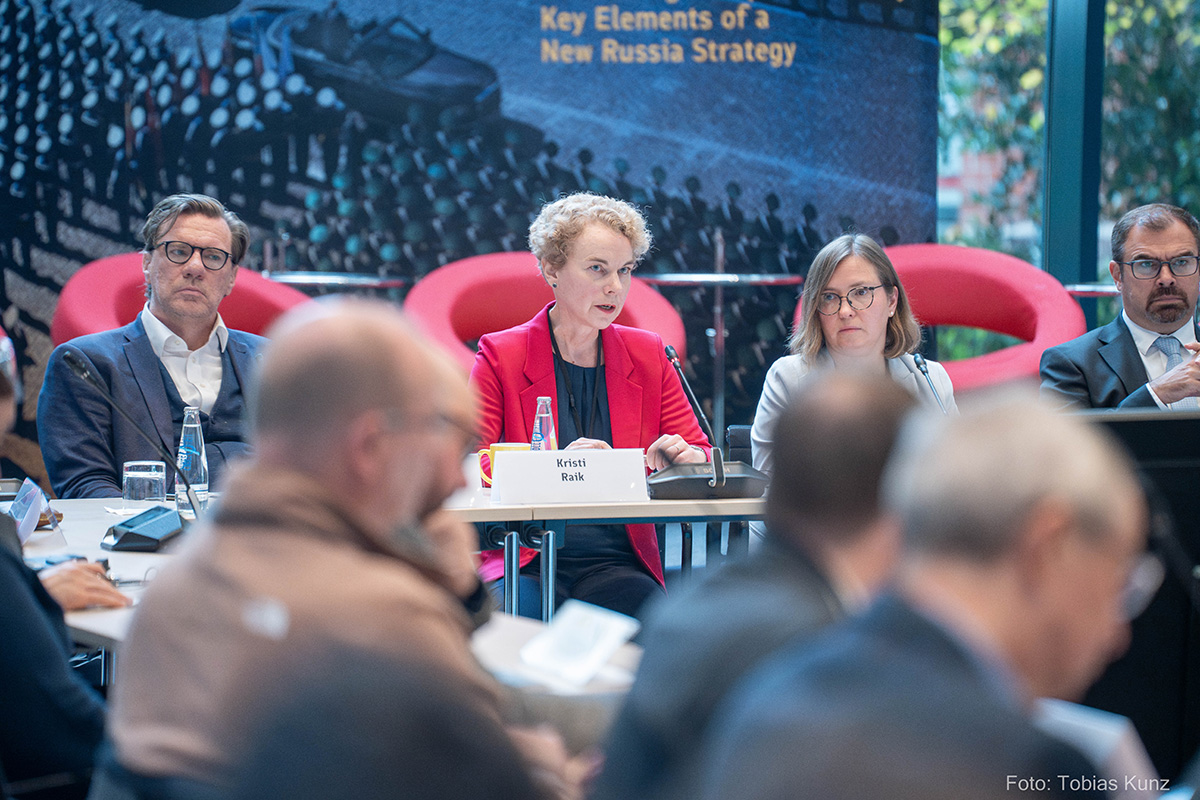
Russia continues to pose a huge security challenge for Europe. Every year, the Center for Liberal Modernity invites leading experts to discuss the options for policymakers at its “Russia and the West” conference. Our programme director Maria Sannikova’s analysis sums up the assessments of our last conference.
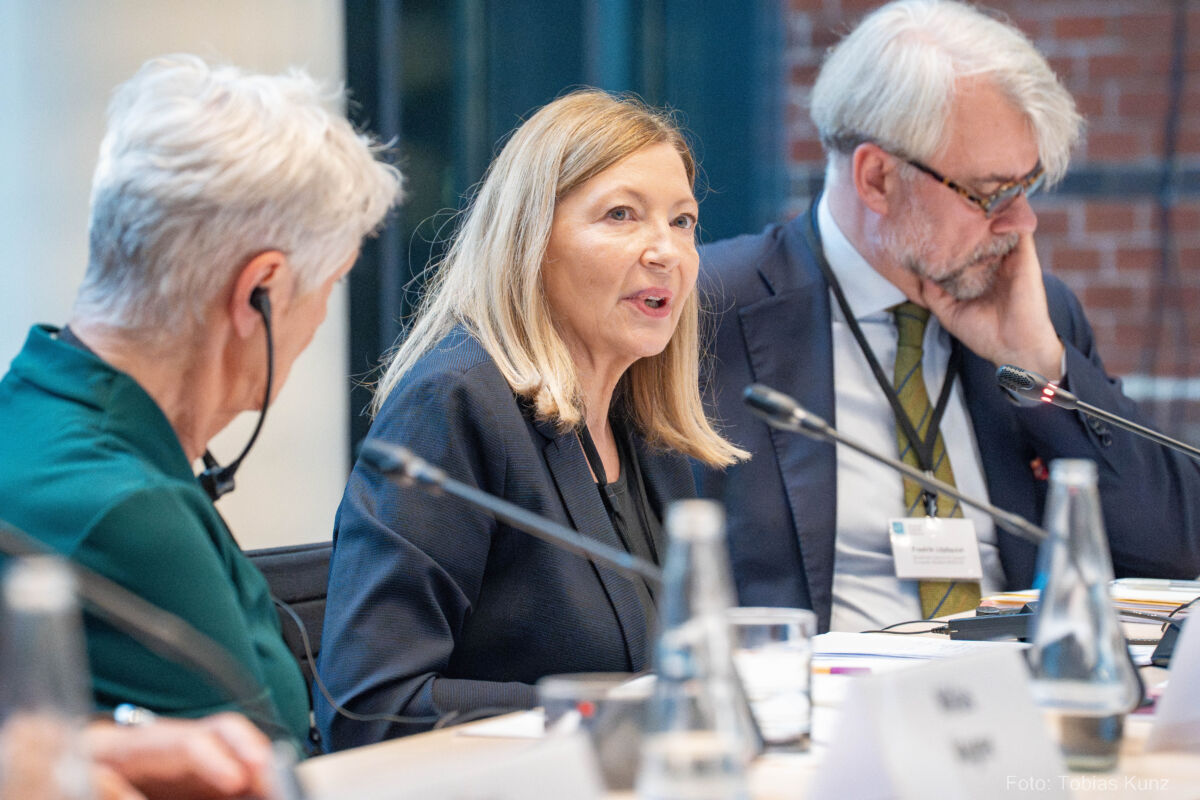
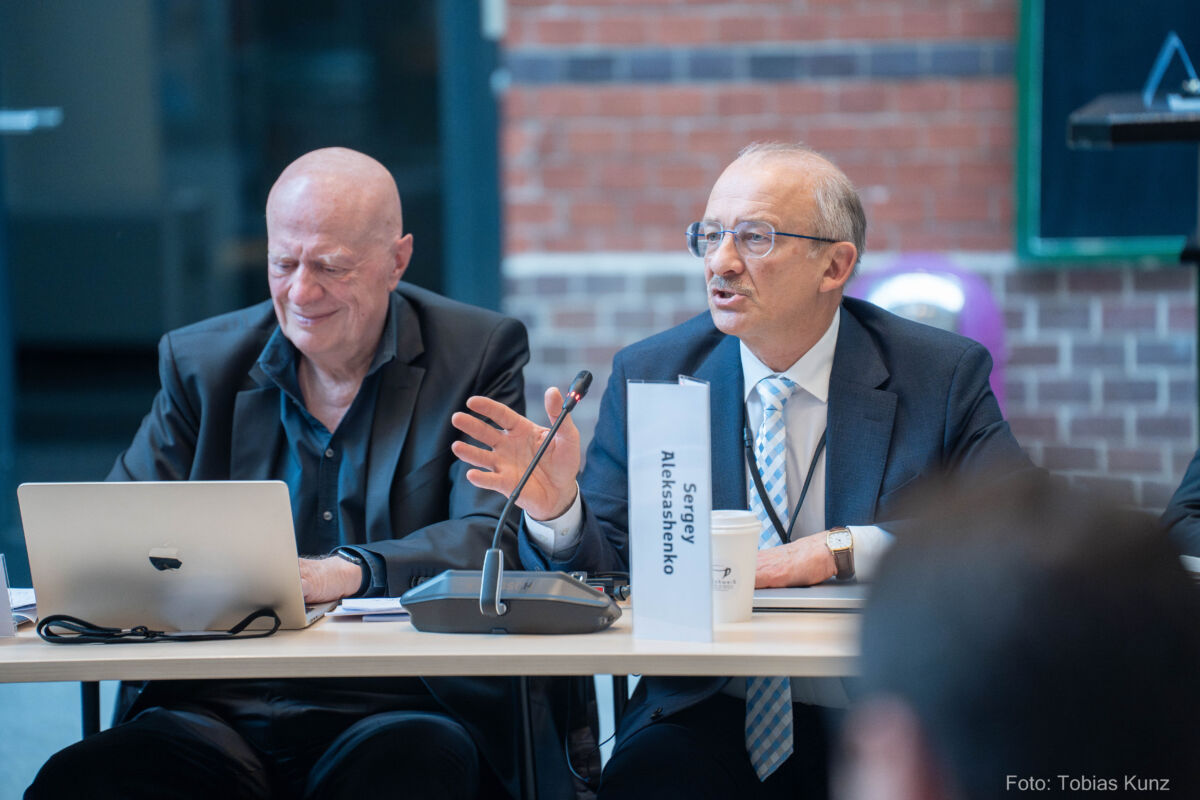
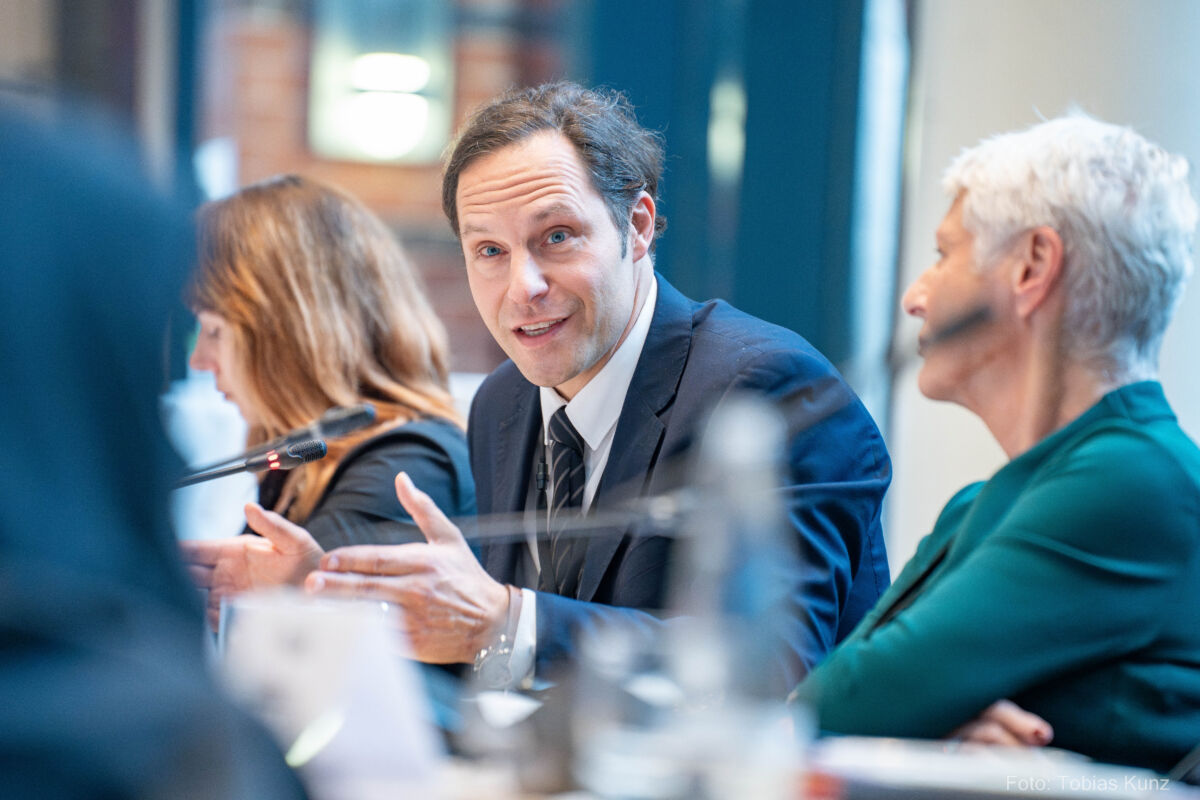
Russia’s war against Ukraine: where do we stand?
The conference began with a strategic assessment of developments in Russia’s war against Ukraine.
It is difficult to judge whether we are at the beginning, in the middle or approaching the end of the war. In any case, there can be no return to the status quo ante in relations with Russia. It is an illusion to believe that the war can be ended by a comprehensive peace agreement that paves the way for a new partnership with Russia. For Moscow, this war is not just about Ukraine, but about the entire European order – and this struggle may only just have begun.
The situation on the battlefield is unsatisfactory for Russia. Even after three and a half years, it has not achieved its goals: the summer offensive of 2025 turned out to be more of an information offensive – Russian troops made little progress on the ground. There is greater momentum on both sides in the air war. Kyiv is increasing the cost for Moscow – for example, through air strikes on Russian fuel depots – while Russia is exploiting weaknesses in Ukrainian defence systems with mass-produced drones.
The biggest mistake made by American and European supporters of Ukraine was to repeatedly allow Putin to overcome difficult situations by giving him time to regroup. This hesitancy stems from the lack of a common strategy towards Russia and a common vision of the desired outcome of the war.
The Economy – How long can Moscow continue to fight?
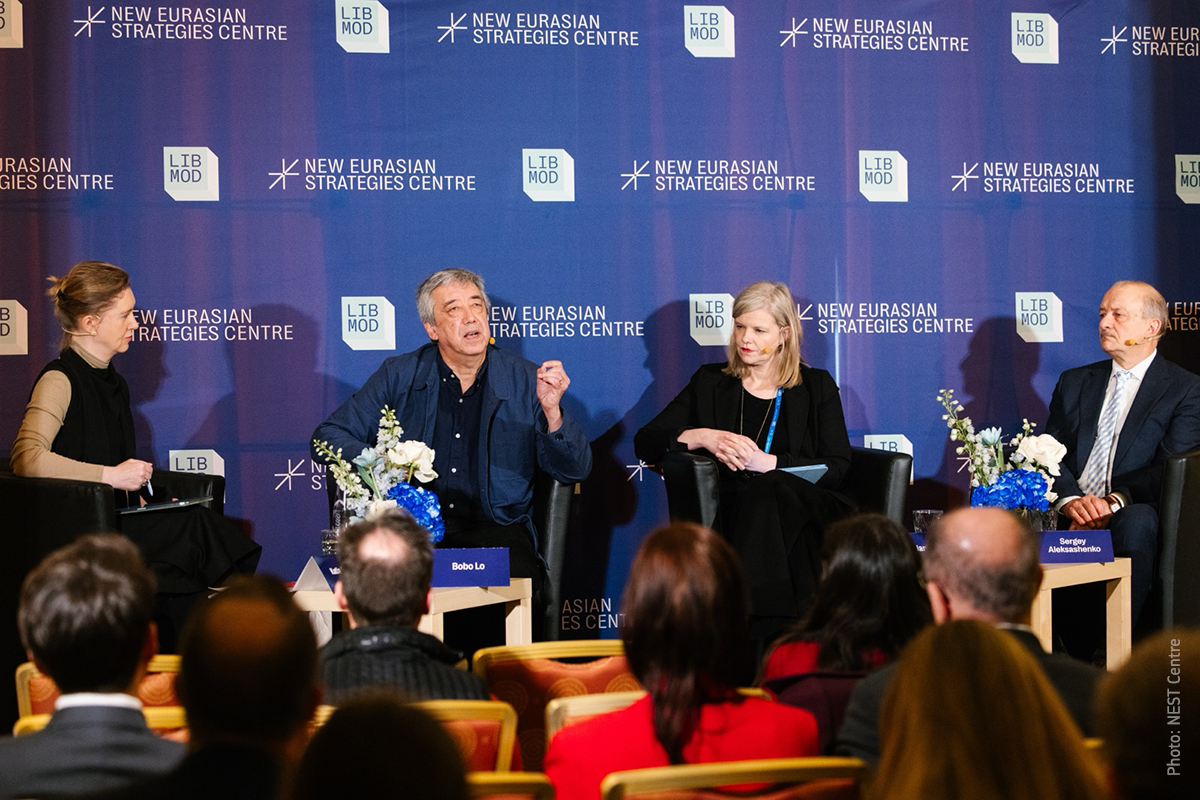
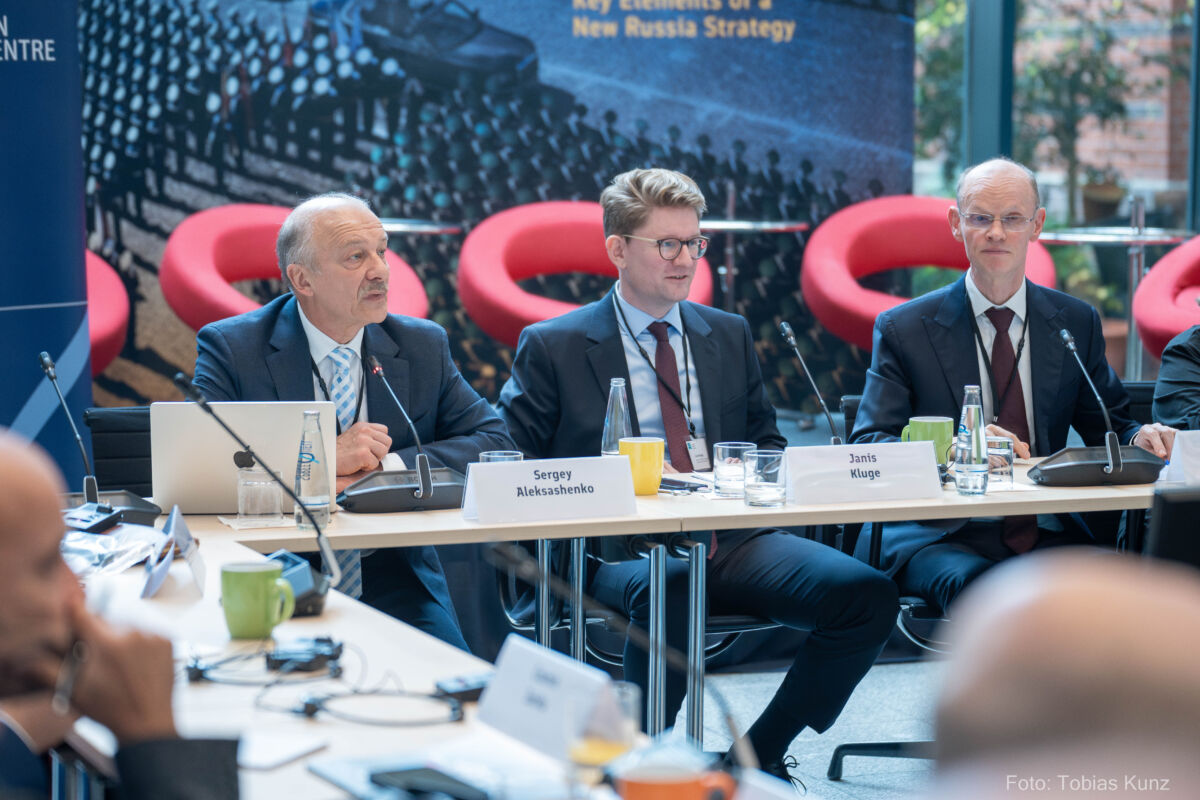
The second panel, held in cooperation with the London-based think tank New Eurasian Strategy Centre, examined the state of the Russian economy, the regime’s stability and the mood in Russian society.
Following an initial brief period of turmoil caused by Western sanctions, the Russian economy has quickly developed resilience. The question of how sustainable this is and how long it will allow Putin to continue the war without resorting to more drastic political and economic measures – such as mobilisation or the introduction of a war economy – was a key focus of the discussion. Speakers pointed out that Moscow is making more and more key economic data secret.
According to some participants, the Russian economy has been in a kind of hangover mood for about a year following a boom driven by high military spending. It is still unclear how serious this actually is. Growth is slowing down; stagnation or even recession appear possible. Slowly, the economic situation is forcing the regime out of its comfort zone.
Although there is almost full employment and rising wages are making people optimistic, the labour shortage is becoming an increasingly acute problem. In addition, a differentiation is emerging in the labour market: war-related sectors are likely to continue to perform well, while incomes in other areas are likely to decline.
The economic situation poses risks for the state budget. The deficit is already well above expectations. Revenues are falling – partly due to high military spending and lower revenues from oil and gas, which is not least attributable to economic sanctions. If the war continues with the same intensity, an even larger budget deficit can be expected in 2026; rising inflation will likely be unavoidable. At present, predominantly volunteers are being sent to the front, which is cost-intensive. The same applies to military spending. If the war continues or escalates, the economic situation could force the regime to switch to a war economy or to send conscripts to the front.
Others countered that for Putin, the war – despite its high cost – remains relatively constrained – both in terms of troops and of money. The economic hangover in Russia began several years ago, long before the war. Currently oil and gas revenues are falling and technological decline is advancing. However, the economy is expected to continue to grow by around one per cent in the coming years. According to this analysis, Russia’s existing economic model allows the Kremlin to continue the war for another three to five years: despite the sanctions-induced technological decline, Moscow can continue to produce weapons on a large scale – not high-tech, but sufficient for its warfare.
Politics: Will Putin’s successor be a ‘collective Putin’?
According to one analysis, the regime appears more stable and consolidated politically than before the war. However, Putin’s fundamental problem is that his regime cannot reproduce itself: there is no new blood and much depends on his individual personnel decisions.
This analysis assumed that the Putin system is currently preparing for a transition of power; however, Putin’s ‘successor’ will not be a new person, but Putin himself – in the form of a new type of regime, the ‘collective Putin’. In this system, power remains concentrated in Putin’s hands, while routine administration is delegated.
The fact that this transition has already begun is evident from the increasing repression within the elites, which is also weakening the ruling clans. Putin has promoted his own aides and bodyguards to key positions. However, he does not expect them to be good managers, but rather to exercise political control over others. Power is thus increasingly concentrated in the hands of a ‘president at large’, while the importance of parliament and government – already weak and dependent – continues to decline. This transfer of power is expected to be completed by the 2030 presidential election.
However, two things could potentially be dangerous for the Kremlin during this transition: Firstly, the centre may not be able to react quickly to unforeseen events – as demonstrated by the weak response to the uprising led by mercenary leader Prigozhin. Secondly, the growing repression of the elites could lead to the formation of an opposition within the ruling elite in the long term, even if there are currently no signs of this.
Society: How sustainable is support for Putin?
Socially, too, the regime appears to have reached a peak in its stability. However, there are signs that this could slowly erode in the future.
On the one hand, there is discontent among the hardline militarists who actively supported the war. This group, which makes up 25 to 30 per cent of the population, is dissatisfied with the course of the war and, consequently, with the regime, although they may support Putin as a national leader. In contrast to the largely demoralised opponents of the war, the hardliners are relatively vocal – and are therefore increasingly becoming the target of political repression.
On the other hand, there are signs that the vast majority of Russians, who are conformists and passively support the war, may soon experience economic difficulties because the potential for economic redistribution has been exhausted.
Most people are still satisfied with the economic and social consequences of the war: this includes not only soldiers and their families. The economic and social status of industrial workers and technical specialists, who were severely underpaid and undervalued in the post-Soviet era, has also risen. What’s more, many people are satisfied with the reduction in the diversity of lifestyles. A majority has decided against modernisation and social progress, even if this means a certain decline in living standards.
At the same time, surveys show that expectations for an improvement in the social and economic situation remain high: this could be the beginning of a phase of declining support for the regime.
Therefore, a protracted war is the best option for Putin, as Russian society has changed over the past three years and the degree of consolidation is high. An end to the war could trigger unfavourable changes in social consciousness for him. Consequently, Putin could change the format of the war, but he is unlikely to end it.
What strategy?
The conference’s closing session focused on key points of a new Russia strategy.
The experts agreed that comprehensive economic and military support for Ukraine must be a central element of this strategy. It must be taken into account that the war of aggression against Ukraine is a symptom of a much larger problem that Russia represents today. Putin’s primary goal is to re-organise the European continent and achieve a kind of ‘Finlandisation’ of Europe. To this end, he is attempting to undermine Europe’s credibility and resolve, as well as NATO, in particular the alliance commitment laid down in Article 5.
The challenge posed by a revanchist and neo-imperial Russia will continue after the end of the war against Ukraine, but the manner in which the war ends and the role Europe plays in it will have a significant impact on the future of Ukraine, Russia itself and Europe.
Ukraine must survive this war as a sovereign and democratic state, decide independently on its domestic and foreign policy, and be integrated politically and militarily into the West. Achieving this will demand a great deal from Europe, but the costs of failure would be incomparably higher.
A defeat for Ukraine would have fatal consequences – not only for Ukraine itself. Russia would be encouraged to continue arming itself and provoking others. If the Kremlin were to emerge victorious, this would reinforce the imperial tendencies in the country. The regime would see this as confirmation that its war of aggression is paying off and that the West is weak. Then Ukraine would not remain the only target of further aggression.
The question of when individual NATO member states are militarily threatened leads many to assume that Europe still has time. However, this fails to recognise that military force is only one of several means available to the Kremlin to achieve a new order in Europe. If Putin believes he can achieve this goal more quickly through hybrid warfare, he will use it consistently. We are already seeing how cyberattacks, sabotage and disinformation are increasingly becoming part of everyday life for people in Europe.
Europe will have to deal with the challenge posed by Russia for many years, if not decades – as long as the country does not undergo fundamental systemic change and abandons its neo-imperialist policies and authoritarian traditions. Until then, the problem cannot be solved, it can only be managed.
Against this backdrop, the lessons learned from the Cold War are instructive, despite historical differences. The policy of containment towards the Soviet Union was remarkably effective without placing an excessive burden on the resources of the democratic states. The Soviet Union was contained until it finally collapsed without any nuclear escalation. Under the circumstances, a kind of new Cold War could be the best possible scenario for Europe. This would require a policy of containment and deterrence that does not abandon the option of political change in Russia in the long term.

Hat Ihnen dieser Artikel gefallen? Wenn ja, können Sie die unabhängige redaktionelle Arbeit und den Journalismus von LibMod über ein einfaches Spendentool unterstützen.
Spenden über PayPal

Wir sind als gemeinnützige Organisation anerkannt, dementsprechend sind Spenden steuerlich absetzbar. Für eine Spendenbescheinigung (ab einem Betrag von 200 EUR erforderlich) senden Sie bitte Ihre Adressdaten an finanzen@libmod.de