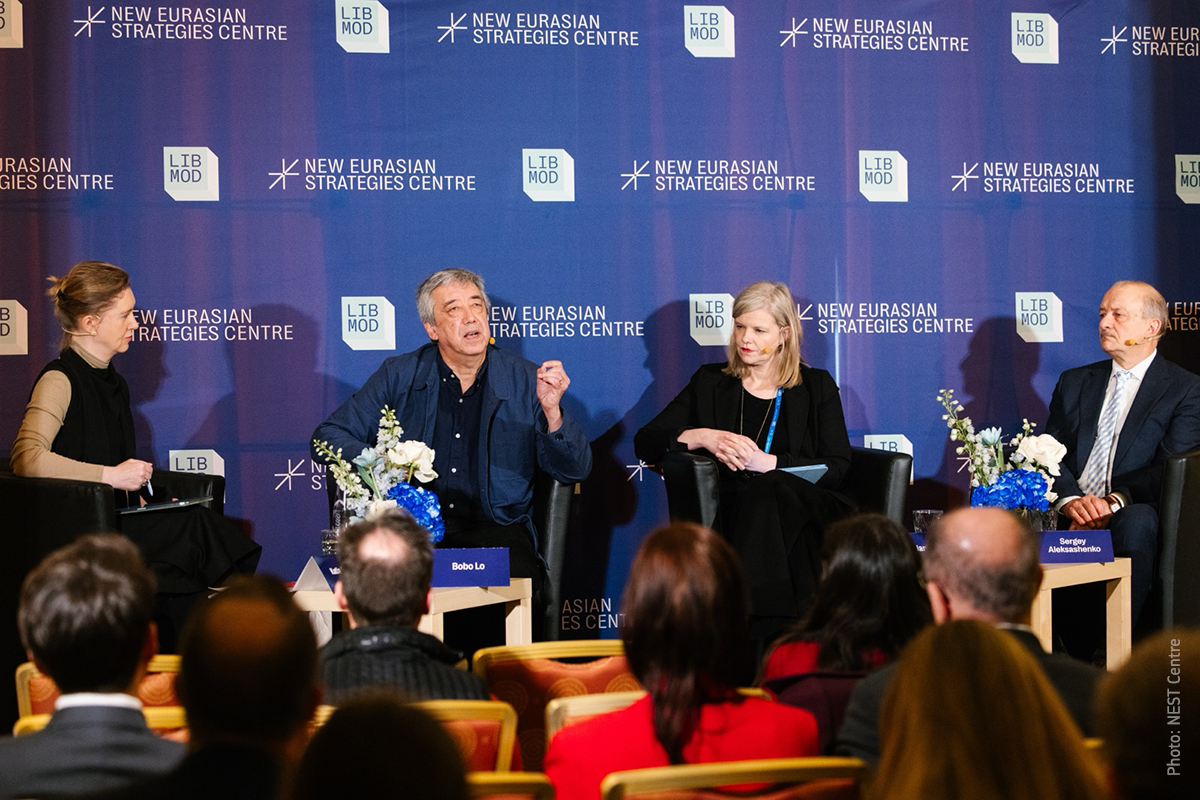
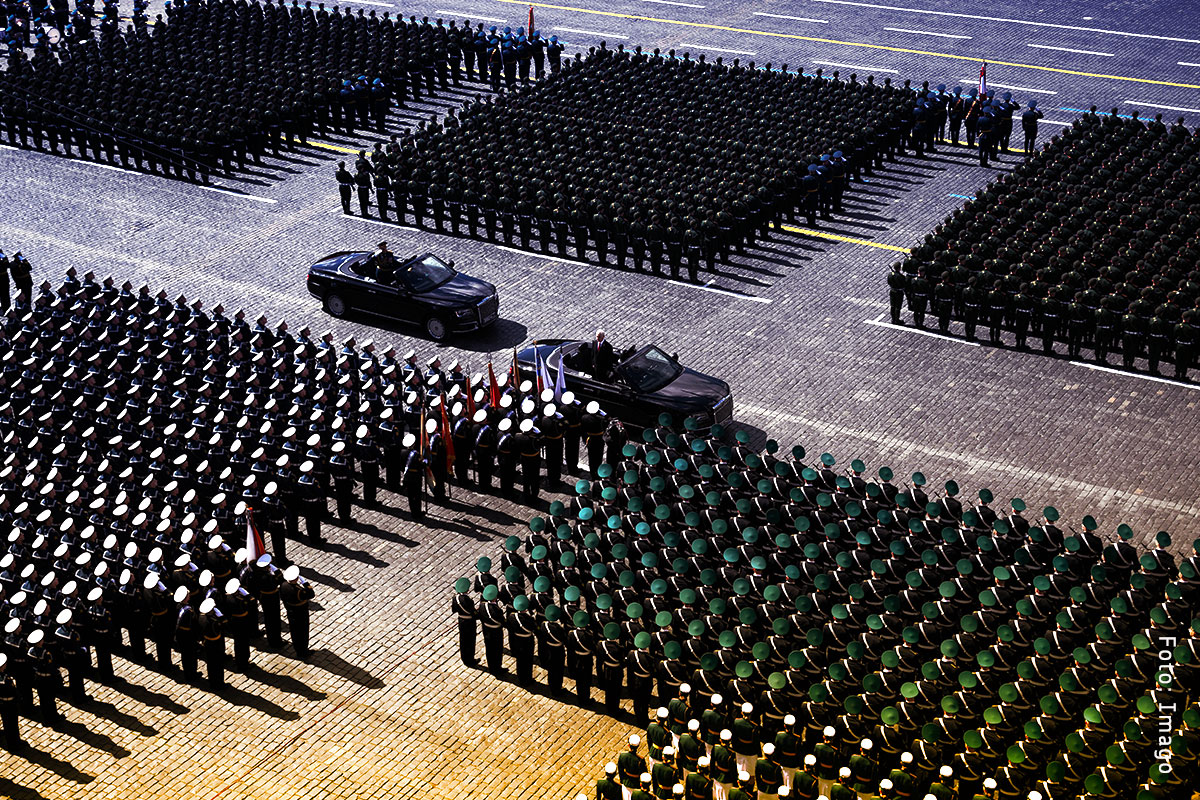
Russia could hardly carry out its war against Ukraine without China’s technological and economic support. We discussed the implications for Western policymakers at a joint event with the New Eurasian Strategies Centre (NEST) held at the sidelines of the Munich Security Conference. Konstantin Eggert reports.
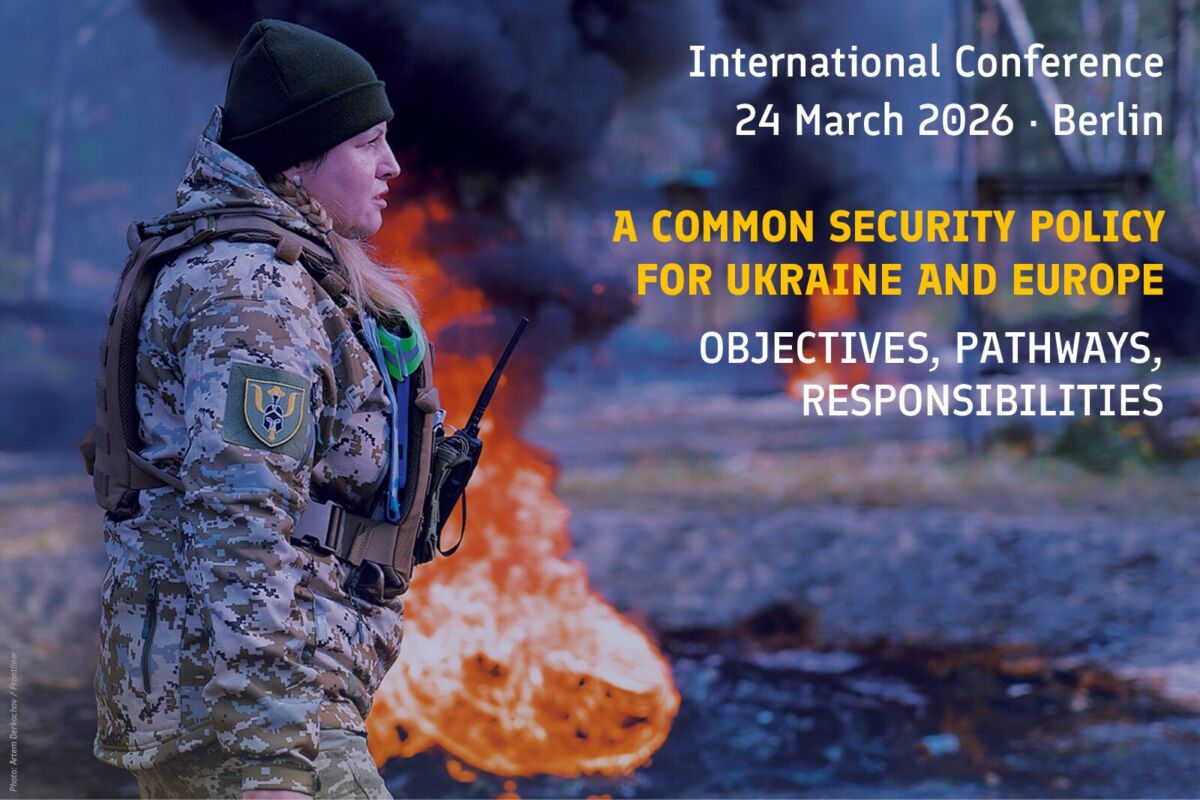
The Center for Liberal Modernity cordially invites you to the international conference “A Common Security Policy for Europe and Ukraine – Objectives, Pathways, Responsibilities” on 24 March 2026 in Berlin.
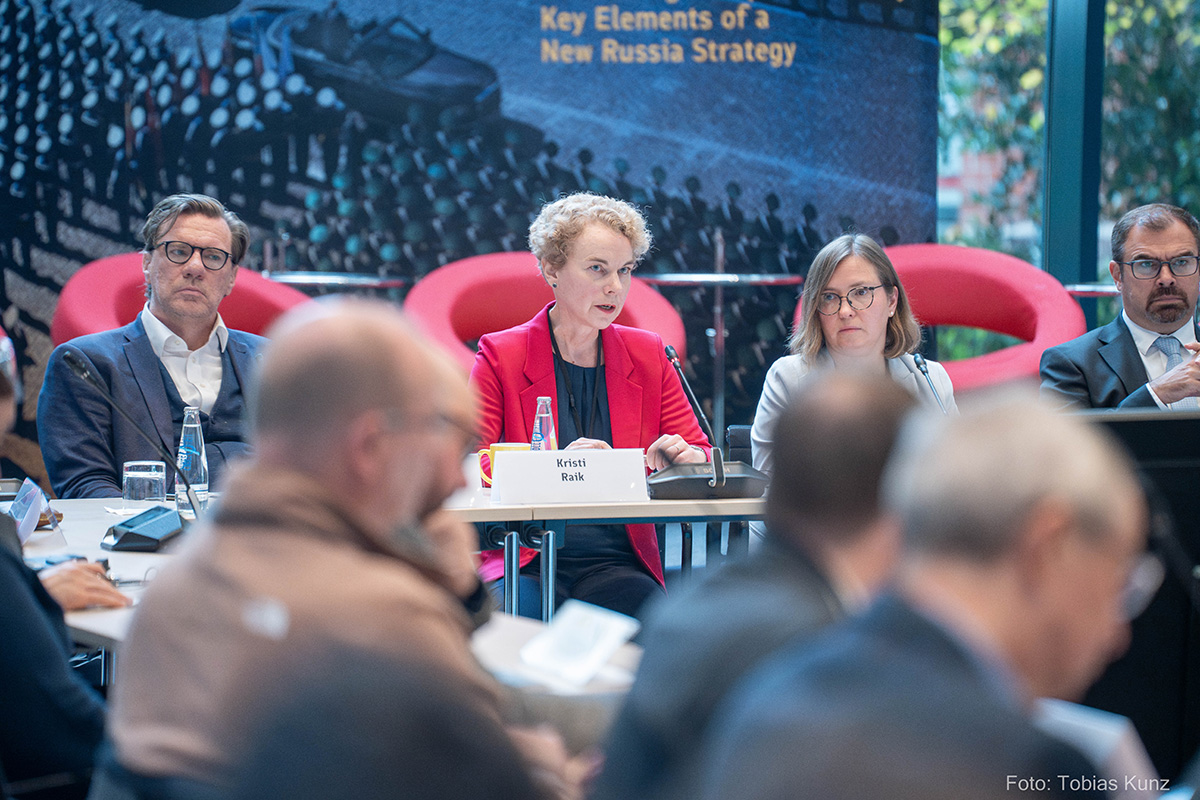
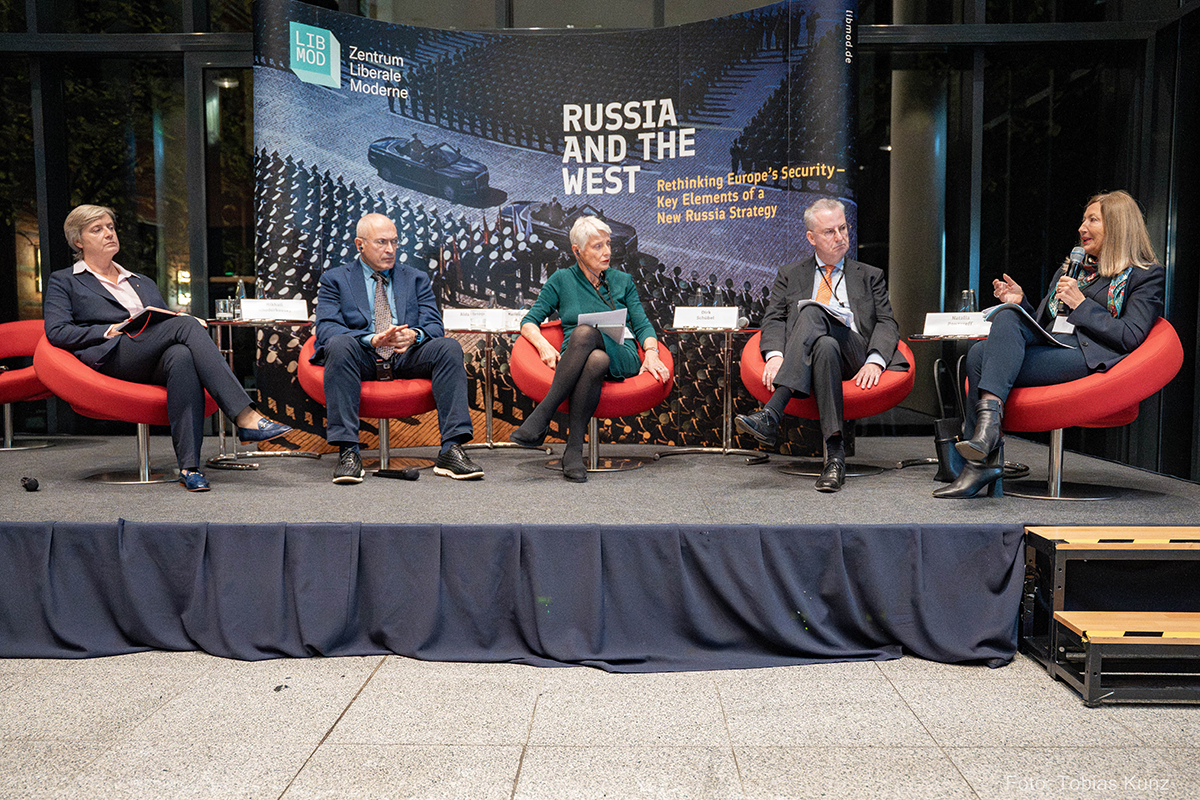
Russia continues to pose a huge security challenge for Europe. Every year, the Center for Liberal Modernity invites leading experts to discuss the options for policymakers at its “Russia and the West” conference. Our programme director Maria Sannikova’s analysis sums up the assessments of our last conference.
Russia is waging its full-scale war against Ukraine for four years already, but Germany and Europe are still struggling to find the right answers to the threat posed by Moscow. At this year’s panel discussion ‘Russia and the West’, participants called for deterrence and containment – but also for keeping contact with those in Russia who will be needed after the end of the regime.
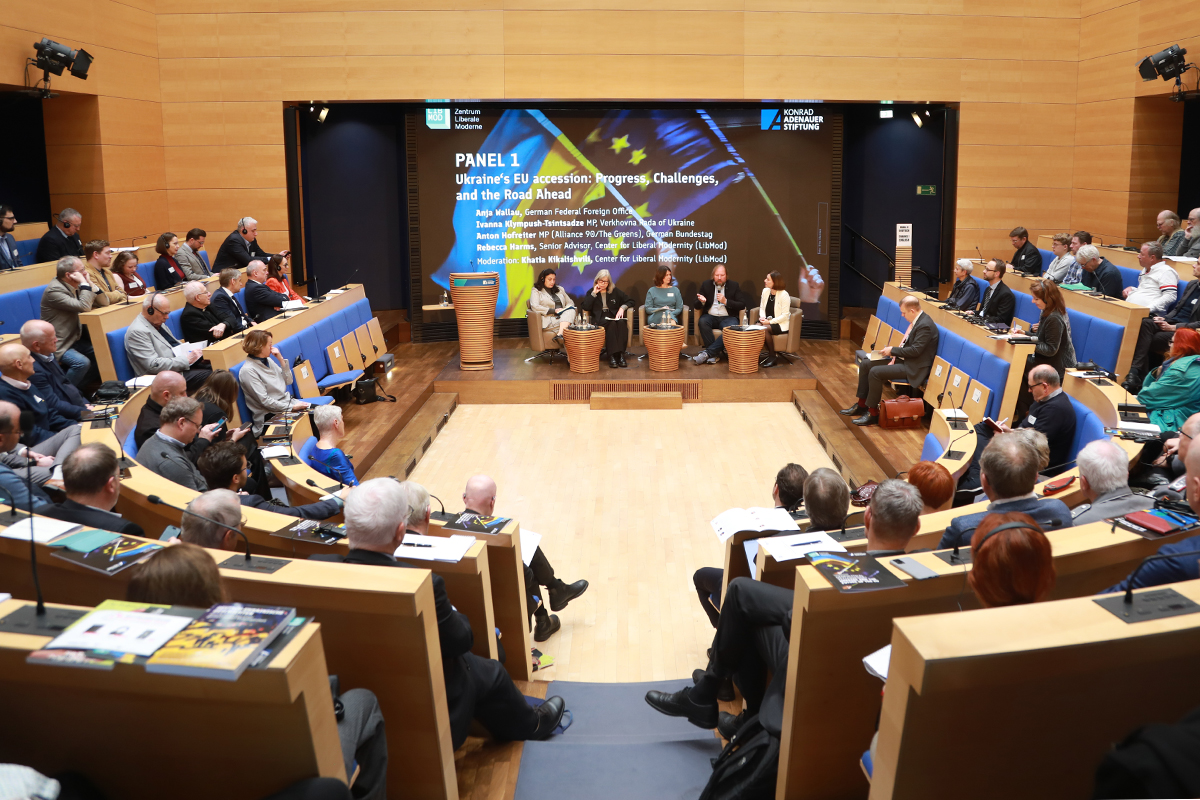
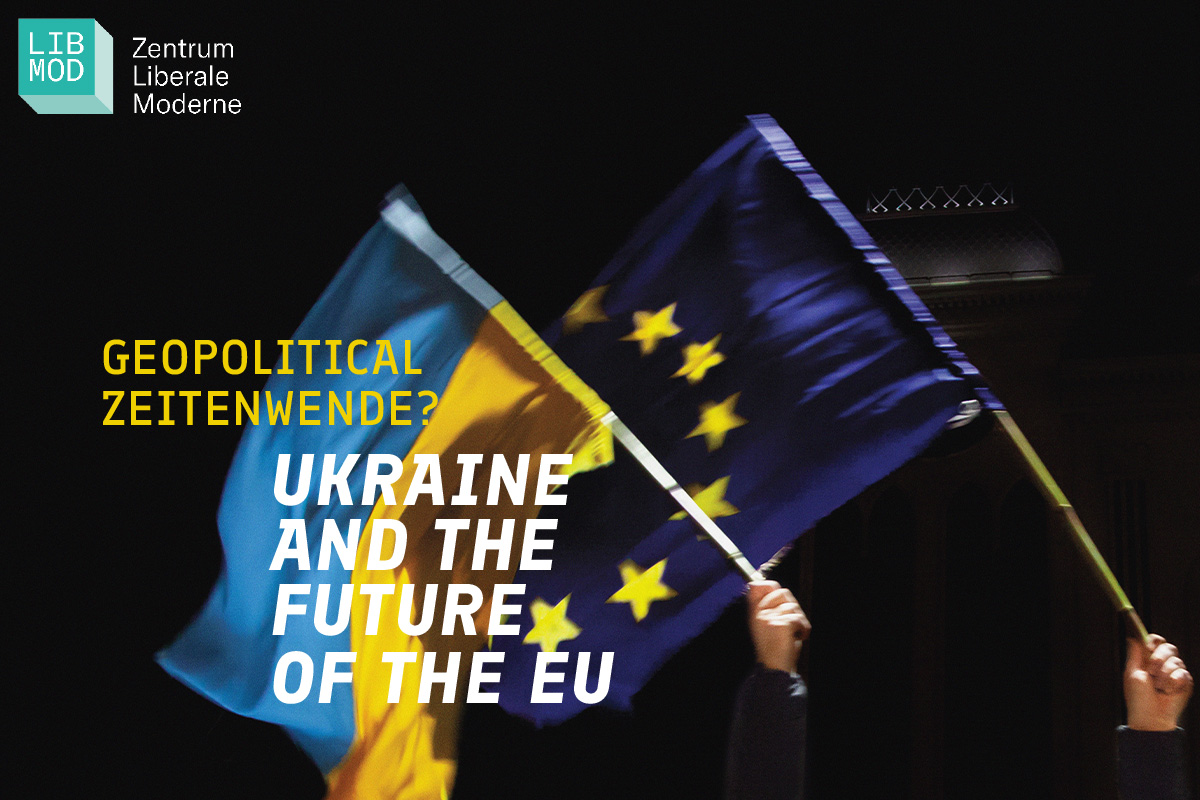
On November 12, 2025, the Konrad Adenauer Foundation Academy hosted the international conference “Geopolitical turning point? Ukraine and the Future of the EU,” organized by the Center for Liberal Modernity in cooperation with the Konrad Adenauer Foundation. Numerous high-profile panelists debated the future of the EU and a possible geopolitical turning point.
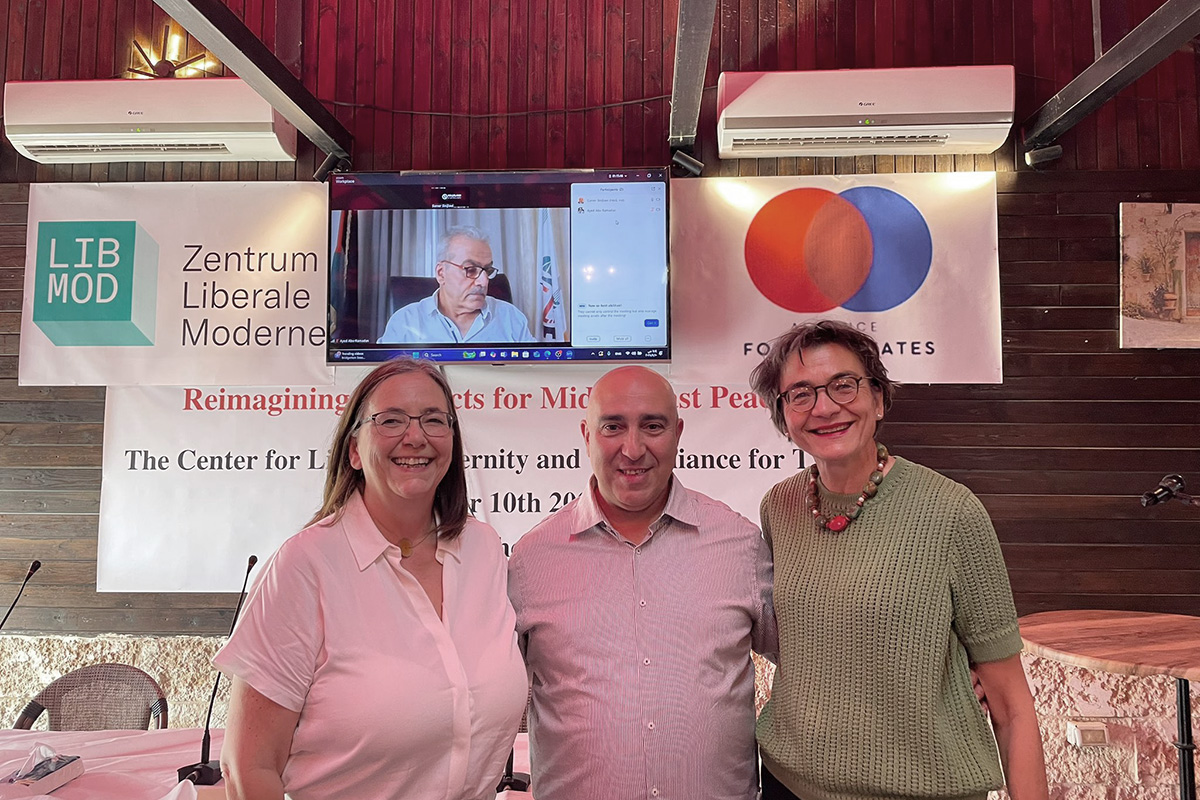
On 10 and 11 November, the Middle East Network of the Centre for Liberal Modernity organized two politically significant events in Israel and the Palestinian territories of the West Bank, creating space for an open dialogue between Israelis and Palestinians. Despite the tense situation on the ground, more than 100 participants came together to discuss prospects for peace, regional cooperation, and the future of diplomatic initiatives.
The Centre for Liberal Modernity together with the Konrad Adenauer Foundation cordially invite you to attend our international conference ‘Geopolitical Zeitenwende? Ukraine and the Future of the EU’ on Wednesday, 12 November 2025 at the Konrad Adenauer Foundation Academy.
The dismantling of the U.S. Agency for International Development (USAID) and the ensuing freezing of foreign aid are a cause for serious concern among civil society organizations in Eastern Europe. At...
After the scandal in the Oval Office on February 28, it has been clear that Europe must take its own security into its own hands. The split in transatlantic relations is becoming increasingly clear. For Europe, this is now the moment of truth. The outcome of the war in Ukraine will have a decisive influence on the future of our continent. These messages also shaped the LibMod conference “Ukraine and us. What next?” with Andrius Kubilius, EU Commissioner for Defense and Space, as well as representatives from the Baltic and Nordic countries, Poland and Ukraine on March 21 in Berlin.
In our first Transatlantic Online Dialogue, hosted by Ambassador John Herbst together with Ralf Fücks (Center for Liberal Modernity), we had a rich and constructive discussion on the future of the transatlantic partnership, thanks to Marie Mendras, Ambassador Daniel Fried, Michael Gahler, and Robin Wagner.
When the Center for Liberal Modernity was founded in 2017, the “illiberal counterrevolution” (Timothy Garton Ash) was already in full swing. But the force with which autocratic and illiberal currents have since picked up speed exceeds our fears. Our international conference “Rethinking Liberalism — Challenges to Liberalism in Turbulent Times” took place just days before Trump’s second inauguration, in the third year of Russia’s full-scale invasion of Ukraine and overshadowed by the electoral successes of right-wing populists across of Europe.
Liberal democracy is navigating through turbulent times as Donald Trump’s renewed victory as well as the strengthening of right-wing nationalist forces in Europe make clear. Democrats and liberals must come out of the defensive; the open society needs new impetus. On January 16, together with international guests, we will be discussing what ideas and policies are needed and promising.
As a result of the Russian war of aggression against Ukraine, Eastern European countries are stepping up their efforts to join the EU. At our international conference on 13 November, we will be discussing the opportunities and challenges of the current EU enlargement policy with international experts.